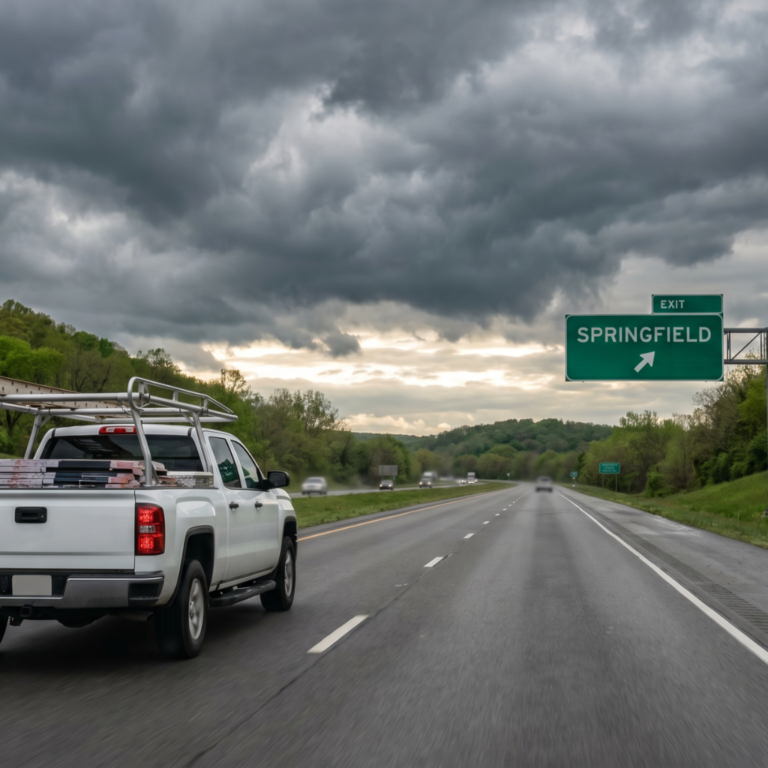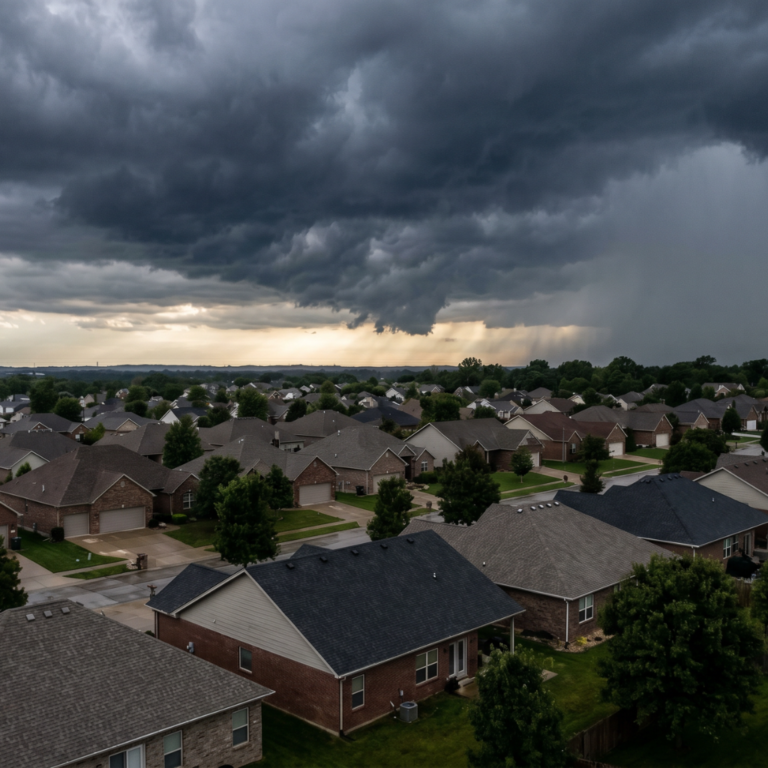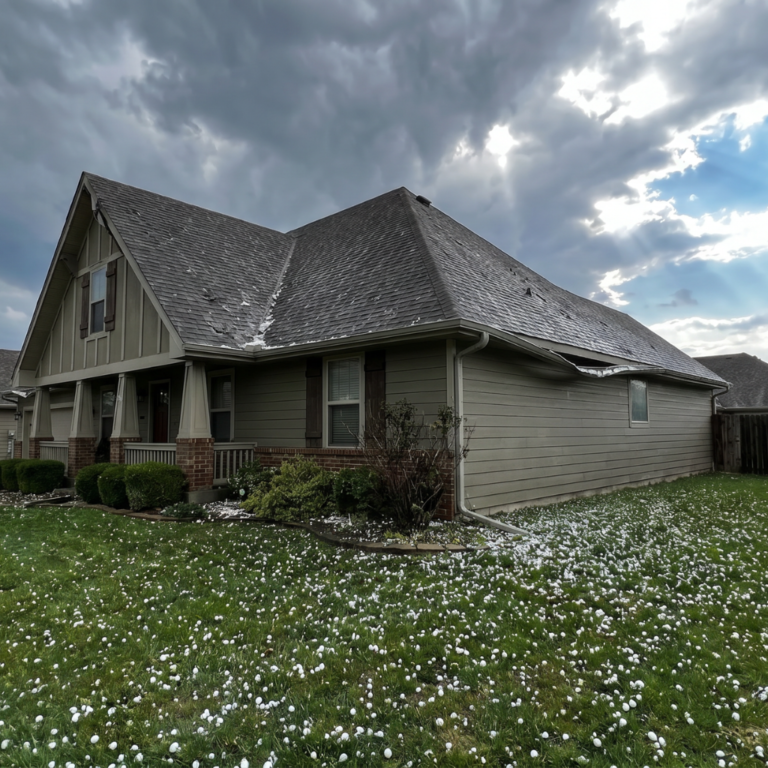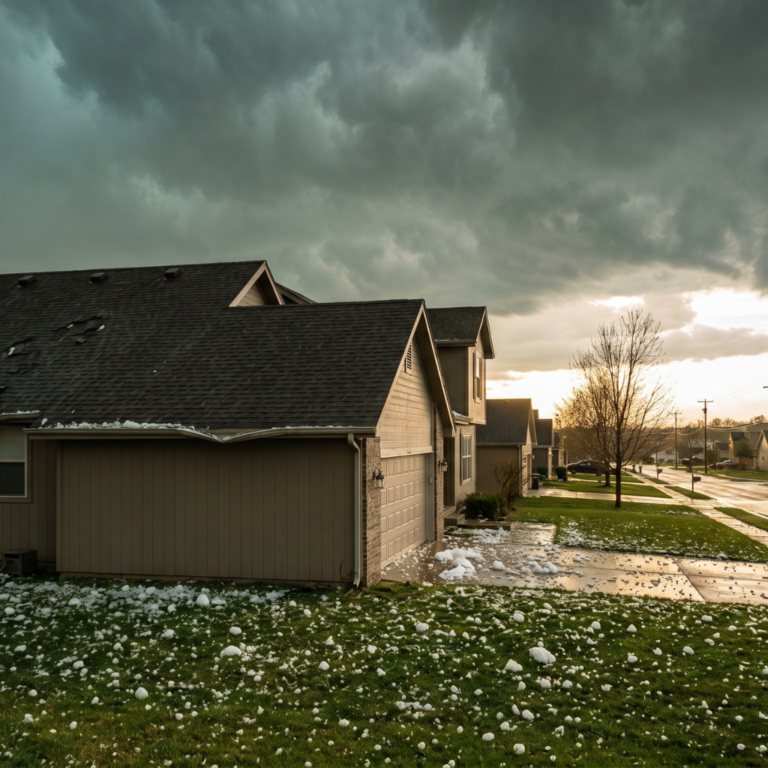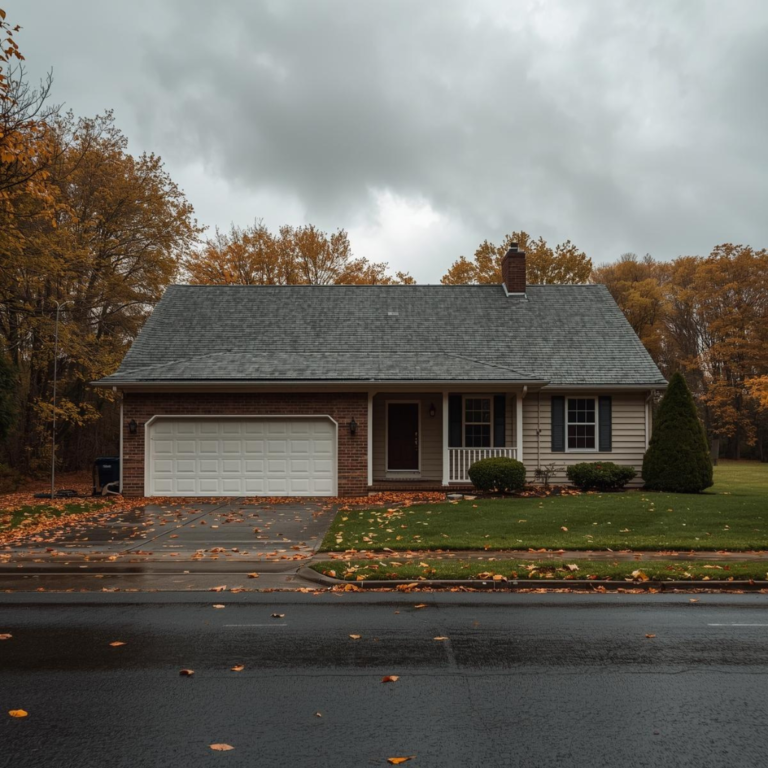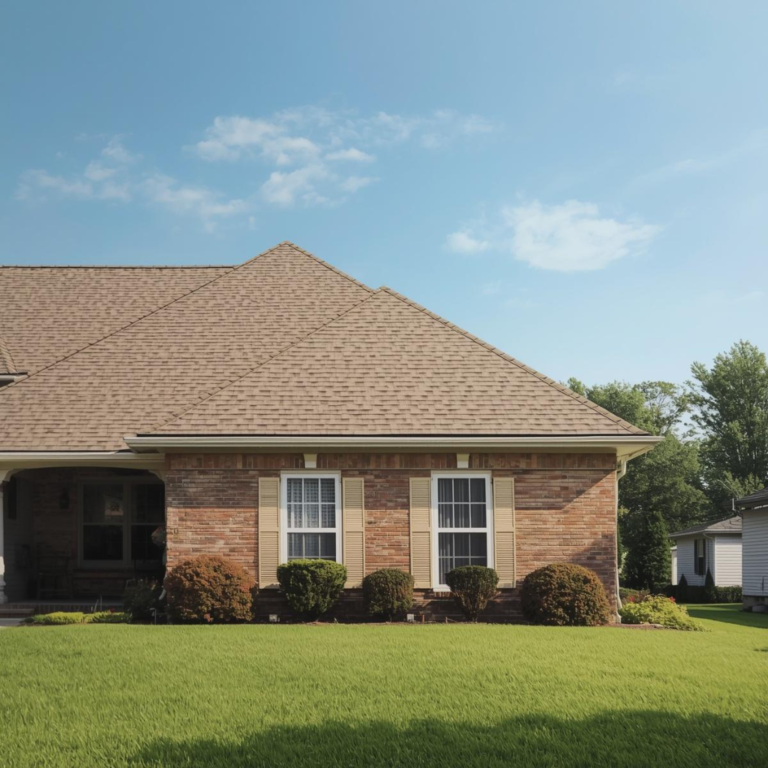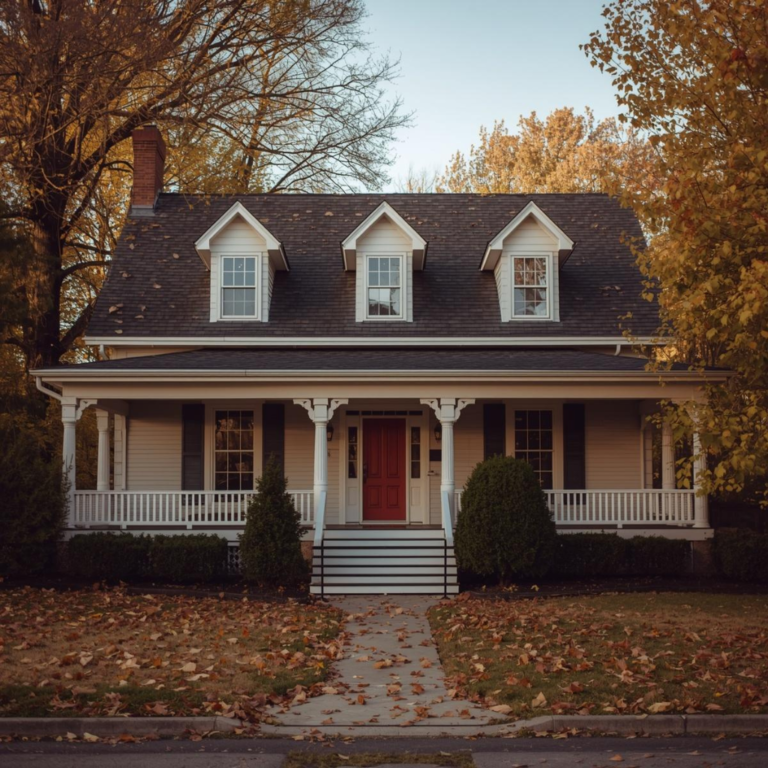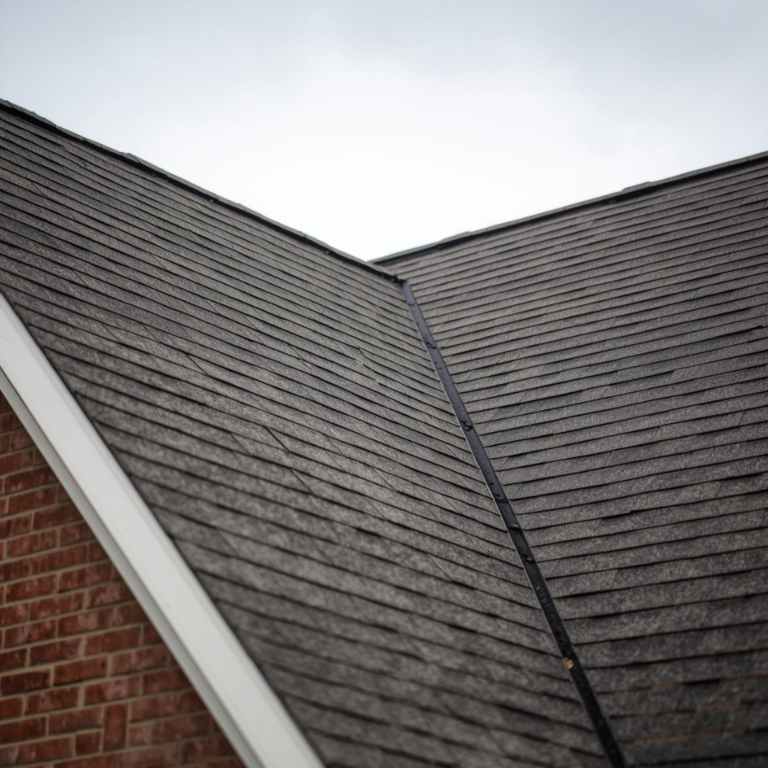
TLDR: In Southwest Missouri’s hail and heat, roof lifespans do not last as long as the national averages suggest. Standard asphalt shingles run about 15 to 20 years here, architectural shingles 20 to 28, Class 4 impact resistant shingles 25 to 35, and standing seam metal 40 years or more. This guide gives the local adjusted numbers for each material, explains why our climate shortens them, and shows when to start planning for a replacement.
You may have just bought a home, gotten an inspection report, or simply realized your roof is getting older. Either way, the question is the same: how many years do I really have left, and what should I put up there next time?
The honest answer is that national lifespan charts do not fit our region well. They are built on milder climates. In Southwest Missouri, where hail, high heat, and freeze and thaw cycles are routine, the same materials wear out sooner.
This guide gives you the local picture. It walks through each common roofing material, the realistic lifespan here, what drives that number up or down, and when to start budgeting for a new roof.
Why our climate changes the national numbers
The roofing materials sold here are the same ones sold everywhere, but the weather they face is not. A few local forces shorten roof life across the board.
Summer roof surface temperatures can climb past 140 degrees, which breaks down the protective granules and speeds up sun damage. Winter freeze and thaw cycles crack shingles that are already weakened. And hail, the big one, bruises and splits shingles every storm season. You can see the regional storm pattern in the records from the National Weather Service forecast office for the region, which tracks frequent severe hail and wind across the area.
Class 4 impact resistant shingles are asphalt shingles that pass the UL 2218 Class 4 test, the highest impact rating available for asphalt. The test drops a two inch steel ball from twenty feet to mimic large hail. For Southwest Missouri, where damaging hail is common, Class 4 is the priority recommendation and may earn an insurance premium discount.
The takeaway is simple. Treat national lifespan charts as a best case, then expect our climate to trim a few years off. The numbers below already reflect that local adjustment.
Roof Lifespan by material, the local numbers
Here is how each common material tends to perform on Southwest Missouri homes. Lifespans assume decent installation and ventilation, which matter as much as the material itself.
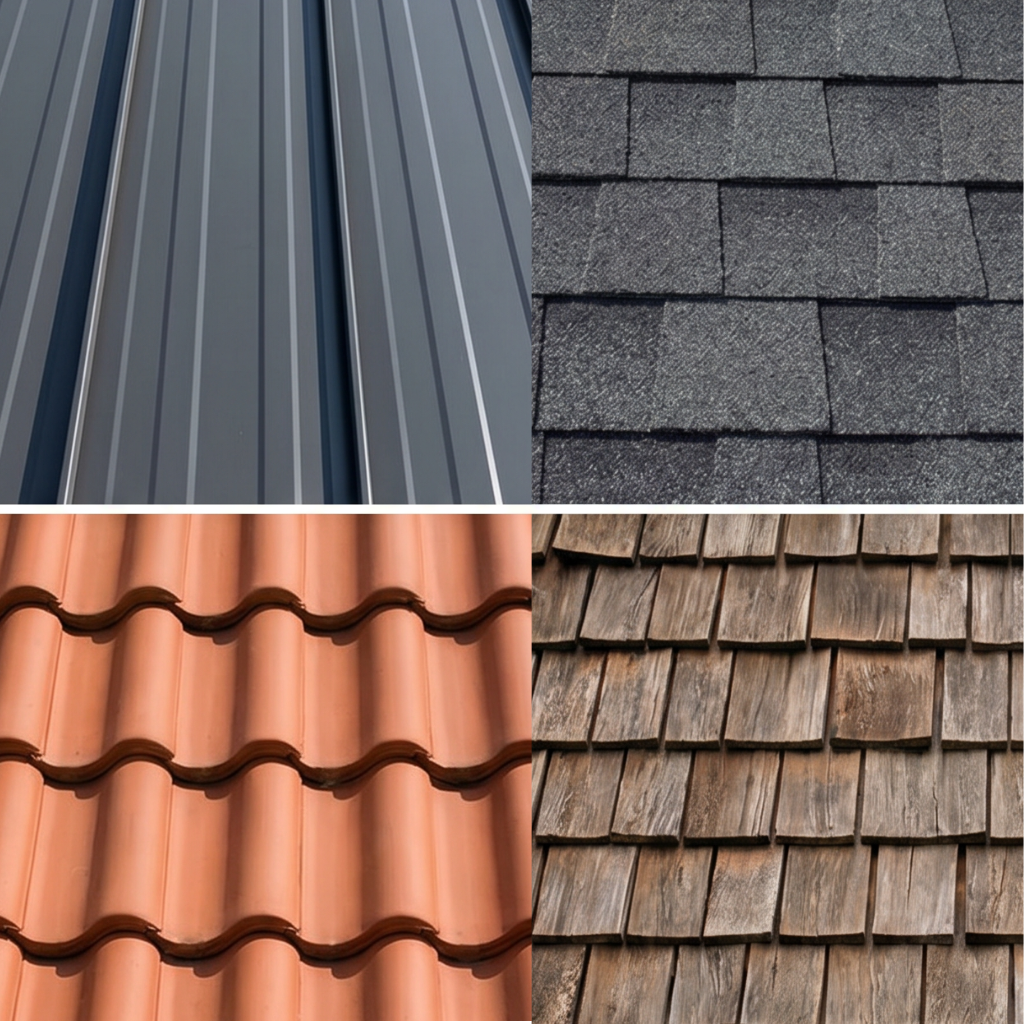
Standard three tab asphalt shingles run about 15 to 20 years here, against a national average closer to 20 to 25. They handle moderate wind but offer the least storm protection. They are best for rentals or short term, cost sensitive situations. One catch worth knowing: a large share of three tab shingles can no longer be matched for repairs, since manufacturers have phased many out. A small repair can mean a mismatched patch.
Architectural shingles, also called dimensional shingles, run about 20 to 28 years locally. They are the standard choice for most homes replacing an asphalt roof, with better wind performance and a heavier, layered look. For most homeowners not going to an impact rated product, this is the baseline.
Class 3 impact resistant shingles land around 18 to 25 years and add real hail resilience over standard architectural. They are a solid middle option for budget conscious homeowners who still want better storm performance.
Class 4 impact resistant shingles are the top recommendation for the region, running about 25 to 35 years. They carry the highest asphalt impact rating and are built to handle the larger hail this area sees every few years. They also often qualify for an insurance premium discount, which can change the math on the upgrade. Ask your agent before you choose, since the discount varies by carrier. Our look at Class 3 versus Class 4 shingles compares the two in detail.
Standing seam metal runs 40 to 70 years and is nearly immune to hail at the sizes we typically see. Its concealed fasteners mean fewer leak points over the life of the roof. The upfront cost is higher, but over the span of two asphalt roofs, the lifecycle math often favors metal for long term owners. Our standing seam metal versus shingles comparison breaks down the trade offs.
Tile and slate deserve a mention for completeness. Concrete and clay tile can last 40 to 100 years, and natural slate even longer, but all three are heavy, costly, and rare in this market. Most homes here are best served by quality asphalt or standing seam metal, which is what local crews install and stock for.
A note on wind ratings
Wind ratings get oversimplified in a lot of marketing, so here is the accurate version. Leading architectural shingles from the major brands, including the popular lines from GAF and Owens Corning, are rated to 110 mph when installed with the standard four nails per shingle, and to 130 mph when installed with six nails. The point for homeowners is that the nailing pattern, not just the shingle, sets the wind rating. Ask any roofer how they nail.
Across the tear offs I have run over the years, I have regularly pulled up name brand shingles, rated for high wind, that were installed with too few nails and placed wrong. The rating on the wrapper means nothing if the install does not match it. That gap is one of the biggest reasons two roofs of the same material can age so differently.
Material comparison at a glance
Use this table to compare the common choices for a Southwest Missouri home. Lifespans are local estimates, not national averages.
| Material | Local lifespan | Wind rating | Best for |
|---|---|---|---|
| Three tab asphalt | 15 to 20 years | Moderate | Rentals, cost sensitive jobs |
| Architectural asphalt | 20 to 28 years | Up to 110 to 130 mph by nailing | Most homeowners |
| Class 3 impact resistant | 18 to 25 years | Up to 110 to 130 mph by nailing | Storm conscious buyers |
| Class 4 impact resistant | 25 to 35 years | High, with impact rating | Top pick for hail country |
| Standing seam metal | 40 to 70 years | Very high | Long term owners |
What affects lifespan beyond the material
Two identical roofs can last very different lengths of time. These factors explain most of the gap.
Attic ventilation is the quiet hero. Balanced intake at the soffits and exhaust at the ridge can add 5 to 10 years to any roof by keeping heat and moisture from cooking the underside. South and west facing slopes age faster, since they take the most afternoon sun and the brunt of storms moving in from the southwest. Installation quality, the nail pattern, flashing, and underlayment, makes or breaks the lifespan of any material. And basic maintenance, inspections after storms, clear gutters, and early repair of small issues, stretches the life of the roof you have.
Attic ventilation is the balanced flow of air into the soffits, the underside of the roof overhang, and out through the ridge vents at the peak. Good ventilation pulls heat and moisture out of the attic, which protects the shingles from above and the decking from below. It is one of the cheapest ways to add years to a roof.
When to start planning for a replacement
You do not want to be caught off guard by a roof that fails the same week as a storm. A simple rule helps: start planning when a roof reaches about 75 percent of its expected life.
In practice, that means start budgeting for three tab asphalt around 12 to 15 years, architectural around 15 to 20, Class 4 around 20 to 25, and metal around 30 years, though metal often runs far longer with minor upkeep. If your roof is in that window and you have already had a storm repair or two, replacement usually beats another patch. Our breakdown of the signs you need a new roof covers what to watch for.
Tip: Take a few dated photos of your roof each year from the ground. A simple yearly record makes it easy to see when wear is accelerating and time a replacement on your terms, not the storm’s.
A note on permits
Permit rules vary by where you live and what work is done. In Springfield, a standard tear off and reroof is treated as repair and maintenance, and a permit is not required for a typical like for like shingle replacement. A permit is required only when a structural element such as a rafter or truss is altered, or when more than a set area of deck sheathing is replaced.
Rules in Ozark, Nixa, Republic, and the unincorporated county areas are set by those jurisdictions, not by the largest city in the region. Confirm your specific job with the relevant local building department before work begins. A good contractor handles this step for you. For the full process, our roof replacement overview lays out what to expect.
Frequently asked questions
How long do asphalt shingles last in Missouri? In Southwest Missouri, standard three tab asphalt shingles last about 15 to 20 years, and architectural shingles about 20 to 28. That is several years short of national averages, because local hail, heat, and freeze and thaw cycles wear roofs faster. Impact resistant Class 4 shingles last longer, around 25 to 35 years.
What is the lifespan of a metal roof in Missouri? Standing seam metal roofs typically last 40 to 70 years here. They are nearly immune to the hail sizes the region usually sees, and their concealed fasteners mean fewer leak points over time. The upfront cost is higher, but for a long term homeowner the lifecycle value often beats two asphalt roofs over the same span.
What is a Class 4 impact resistant shingle? It is an asphalt shingle that passes the UL 2218 Class 4 test, the highest impact rating for asphalt. The test drops a two inch steel ball from twenty feet to simulate large hail. Class 4 shingles are the priority recommendation for Southwest Missouri and may qualify for an insurance premium discount, which varies by carrier.
Does roof color or slope direction affect how long it lasts? Yes. South and west facing slopes age faster because they take the most afternoon sun and the strongest storm exposure from the southwest. Heat speeds up granule loss, so slopes and colors that run hotter tend to wear sooner. Good attic ventilation helps offset that by pulling heat out from underneath.
When should I start planning for a new roof? A good rule is to start planning at about 75 percent of the roof’s expected life. For architectural asphalt that means around 15 to 20 years, and for Class 4 around 20 to 25. If your roof is in that range and has already needed a storm repair or two, replacement usually makes more sense than another patch.
Why does my roof need replacing sooner than the warranty says? A shingle warranty mainly covers manufacturing defects, not weather. In a hail and wind region, the practical lifespan is set by storms and sun, not by the warranty term. That is why a roof rated for 30 years on paper often serves 15 to 25 years here, depending on material, installation, and ventilation.
Key takeaways
Local lifespans, not national ones
- Three tab asphalt: about 15 to 20 years here.
- Architectural: about 20 to 28 years.
- Class 4 impact resistant: about 25 to 35 years.
- Standing seam metal: 40 to 70 years.
What changes the number
- Attic ventilation can add 5 to 10 years.
- South and west slopes age faster.
- Installation quality and nailing set the real wind rating.
Plan ahead
- Start budgeting at about 75 percent of expected life.
- Class 4 is the top pick for hail country and may earn a discount.
- Confirm permit rules locally before any work begins.
Plan your next roof with local eyes
Knowing the realistic lifespan of each material is the first step. The next is matching the right product to your home, your slopes, and how long you plan to stay. That is a conversation worth having before a storm forces the decision.
Want a free inspection and an honest read on how many years your current roof has left? Call (844) 321-6245 and our local crews will walk you through your options, with no pressure.
ProNail Exteriors | Roofing, Siding, Windows, Gutters, and More | Serving Southwest Missouri Since 2025