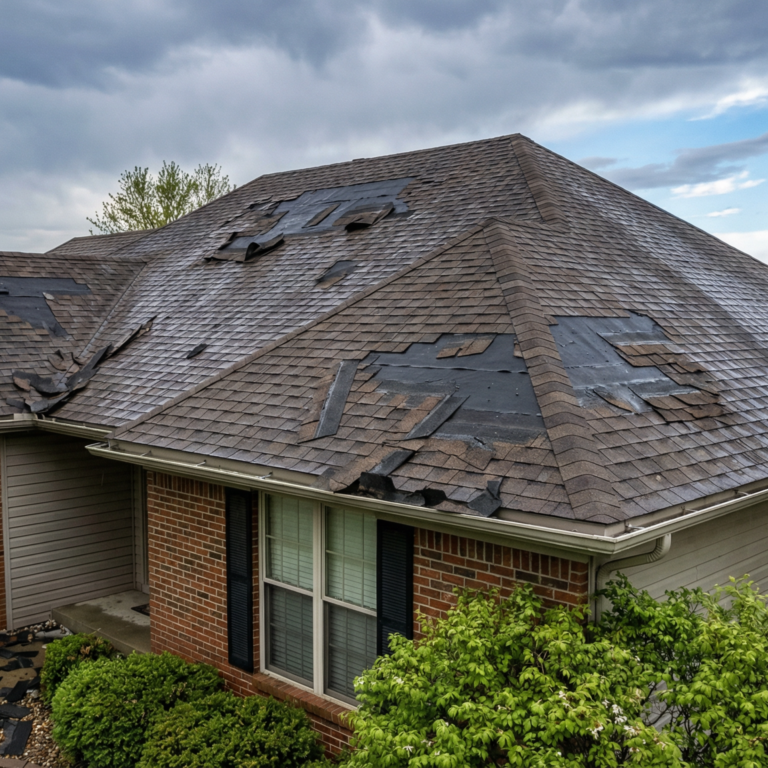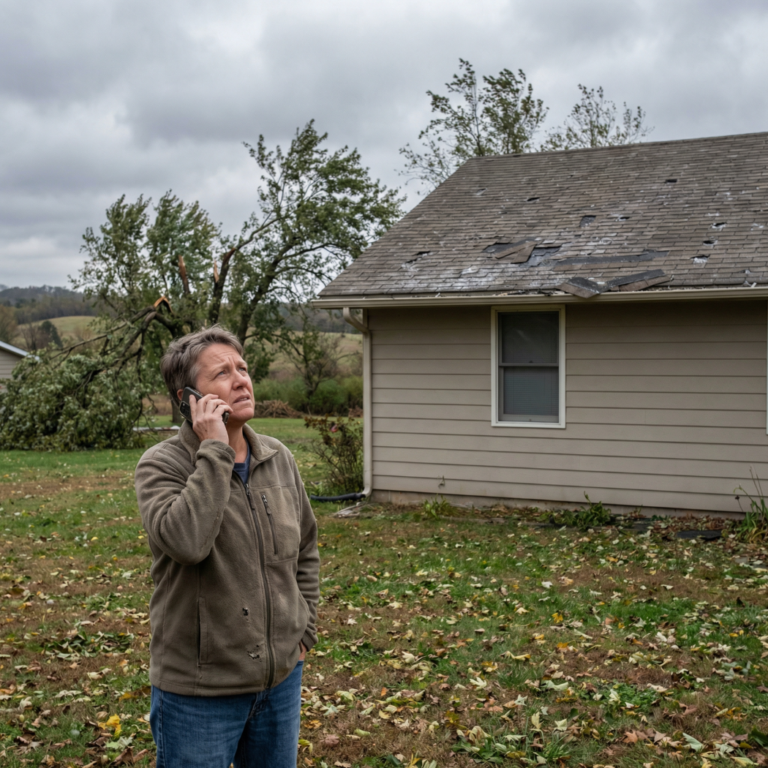
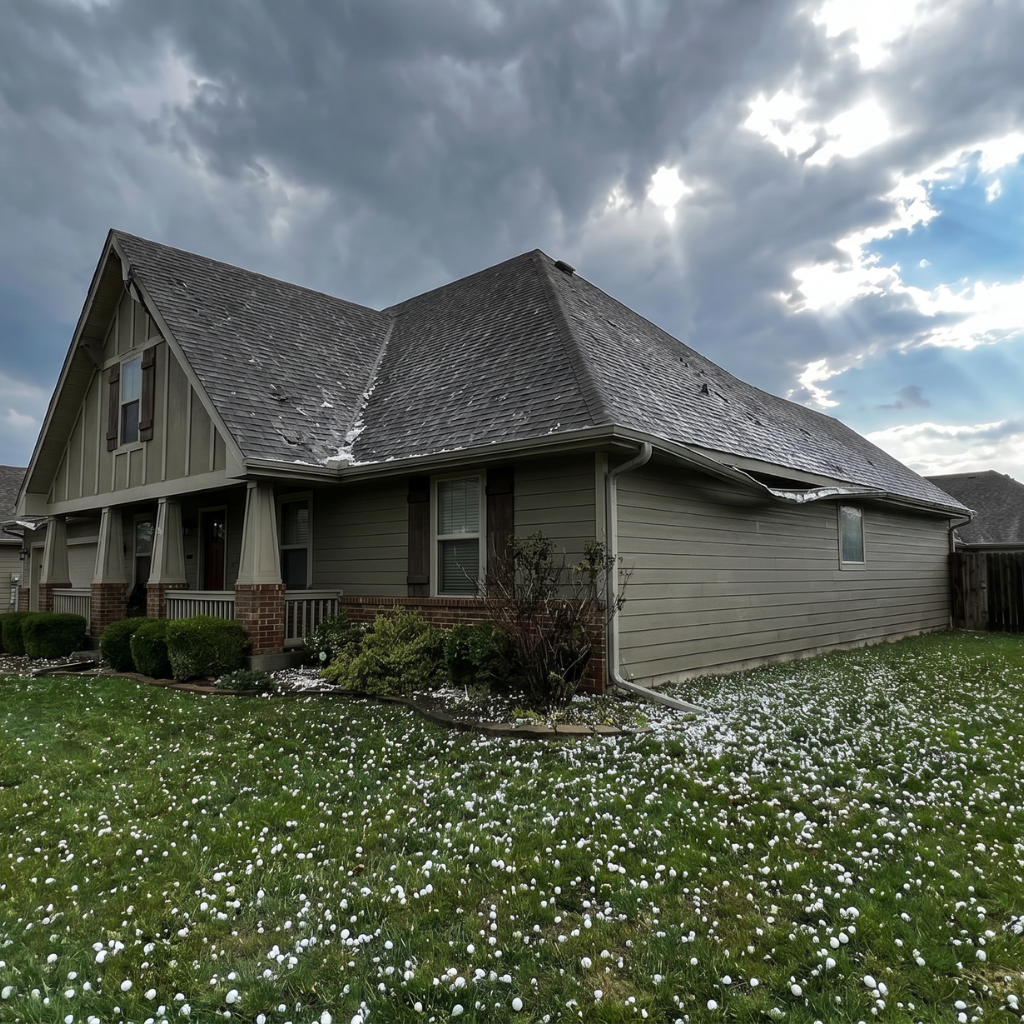
You just watched hail hammer your roof. The gutters are dented, granules are washing down the driveway, and your phone has not started ringing yet. This guide walks through the right order of operations for the first 72 hours after a hailstorm in Springfield. You will learn what to do, what not to do, and why the order matters.
TLDR: Document everything from the ground before you touch anything. Tarp exposed areas, then schedule a free professional inspection before you call your insurance company. The order matters. Photos and an inspection report in hand make the difference between a strong claim and a lowball settlement.
The next 72 hours matter more than any other moment in this claim. After the April 28, 2026 storm, thousands of Springfield-area homeowners are walking through this moment right now. The order of operations is not what most people assume. Call your insurance first is not the right move. The companion guide on storm damage roof repair in Springfield covers what comes after this first 72 hours.
Before You Do Anything, Make Sure the Storm Is Over
Hail does not always travel alone. Spring storms in Southwest Missouri often roll through in clusters. A second or third cell can hit thirty minutes after the first one passes. Going outside between cells puts you in the path of fresh hail, lightning, or wind.
Check the National Weather Service Springfield event summary before you step outside. The radar will show if another cell is on the way. Look from your windows first. Do not get on the roof for any reason.
Watch for downed power lines or gas smells. Those issues come before any roof inspection. Call 911 if urgent.
Tip: Pull up the NWS Springfield page before going outside. If another cell is 20 to 30 minutes behind the first, stay put.
The Documentation Sprint Comes Before Any Cleanup
This is the most important and most-skipped step. Before you sweep up hailstones, before you call anyone, you document.
Walk your property safely from the ground. Take timestamped photos and short videos from all four sides of the home. Hail comes in at angles. Damage often shows up on multiple slopes and walls. Photograph the gutters, downspouts, AC condenser fins, window screens, siding, vehicles, and any shingles in the yard.
Go inside next. Check the attic with a flashlight. Look for water stains on the wood, daylight where you should not see it, or damp insulation. Write the storm date on a piece of paper and photograph it next to visible damage.
| Location | What to Check | Why It Matters for Insurance |
|---|---|---|
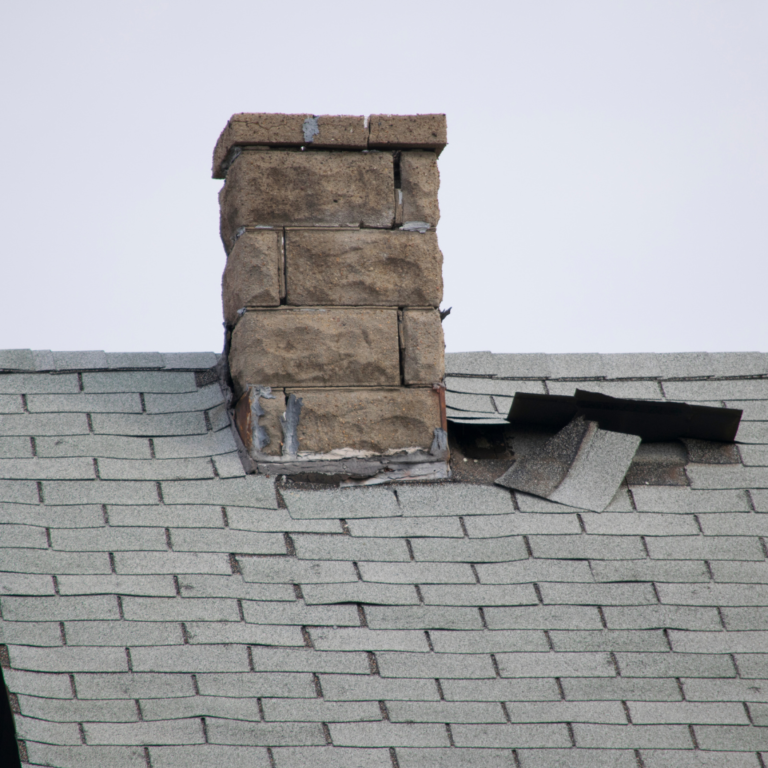
| Roof (ground view) | Missing or lifted shingles, exposed decking | Establishes visible storm impact |
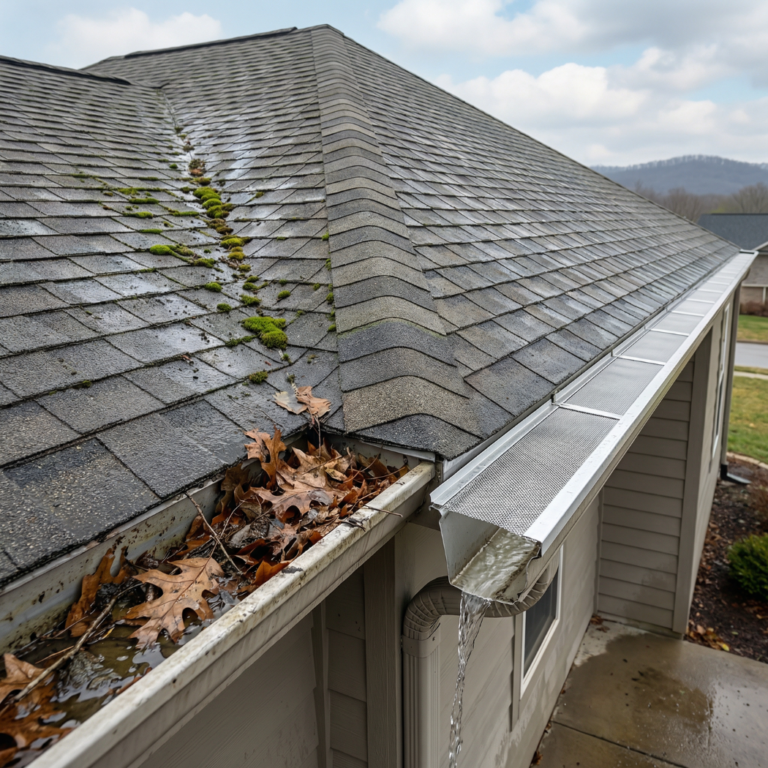
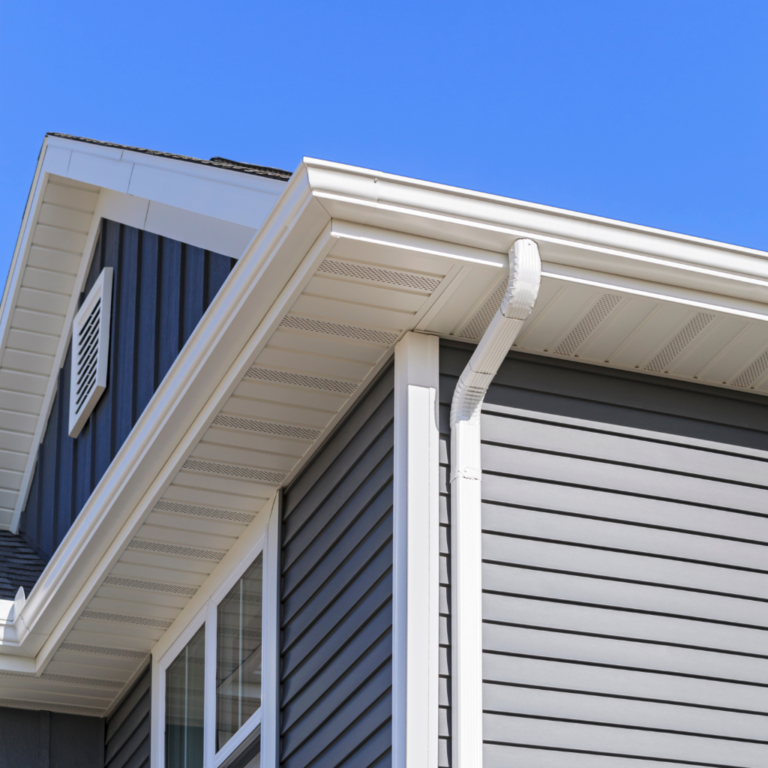
| Gutters and downspouts | Dents, granule buildup at the base | Granules in gutters mean shingle damage above |
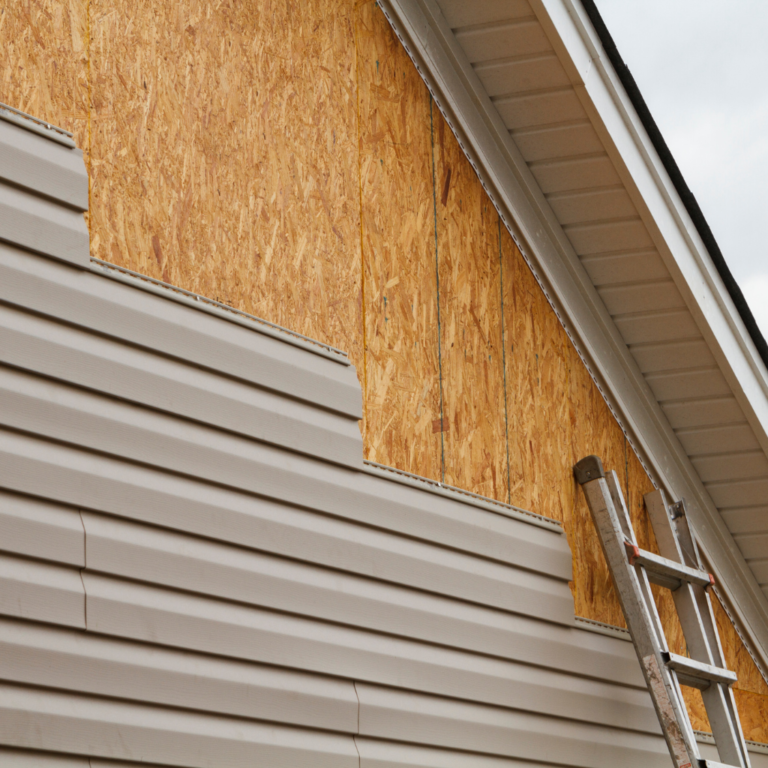
| Siding | Dings, cracks, chipped paint | Shows storm direction and intensity |
| AC condenser | Dented fins | Soft metal dents confirm hail at the property |
| Window screens | Tears, holes | Establishes hail size and force |
| Attic interior | Water stains, daylight, damp insulation | Confirms the roof has been compromised |
| Vehicles outdoors | Dents, cracked glass | Strong corroborating evidence of hail size |
After a major event, adjusters get flooded. They look for reasons to reduce payouts. Thorough day-of documentation is your strongest protection.
Pro tip: Photograph every side of the house, not just the side that faced the storm. Hail damage often shows up on slopes the wind never seemed to touch.
Tarp Exposed Areas and Get in the Inspection Queue
If shingles are missing down to the decking, or if you can see daylight from the attic, the roof needs a temporary tarp. Most insurers consider emergency tarping a covered cost. They want you to prevent further damage. Save every receipt.
Photograph the damage before the tarp goes on. Then photograph it again with the tarp in place. Your adjuster needs to see what was there, not just that you protected it. Do not make permanent repairs.
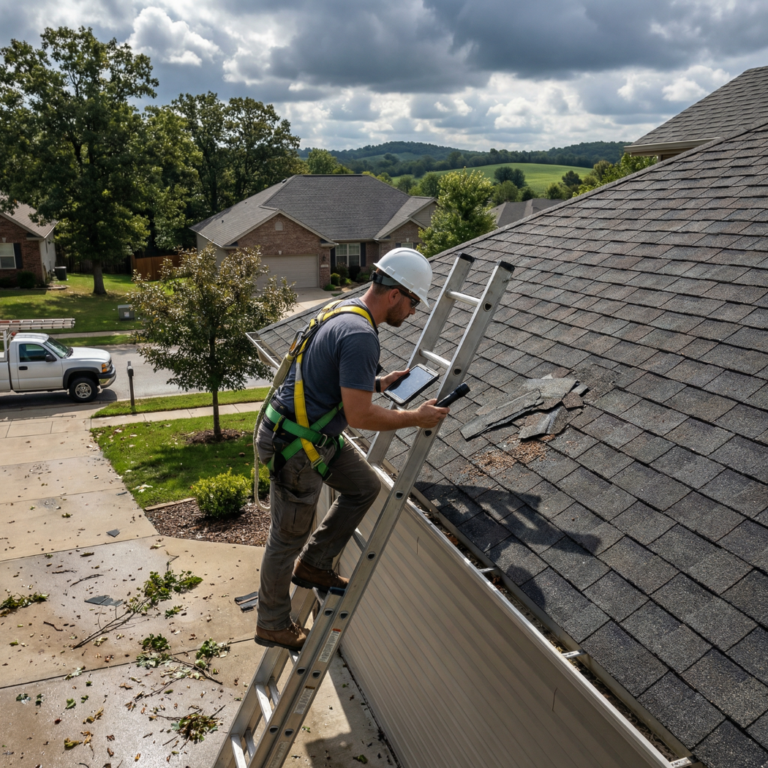
Call for a free roof inspection on Day 1, not Day 10. After a major storm, local schedules fill within days. Getting in the queue early means a faster inspection report, which means a faster claim. Never sign with a contractor who shows up at your door uninvited.
Tip: If you tarp the roof, photograph the damage before and after covering it. The adjuster needs to see the actual damage, not just the patch over it.
Get a Written Inspection Before You Call Your Insurance Company
This is the order that protects you. A written inspection report in hand before you open the claim gives you stronger documentation. The adjuster shows up knowing somebody else has already looked at the roof.
In Missouri, you have the right to have your contractor present during the adjuster’s inspection. That matters. Two sets of eyes catch more than one. Professional insurance claim assistance walks you through the full process from inspection to final settlement.
When you call the insurer, have everything ready. Your policy number, the storm date, your photos, the NWS storm report, and the inspection report. For the full claim process, read how roof insurance claims work in Springfield.
Most Missouri policies require you to report damage within 60 days. Some carriers allow up to 12 months. The storm date is the date of loss, not the day you noticed the damage. The Missouri Department of Insurance maintains the official resources on your rights as a policyholder.
Pro tip: Save your inspection report, photos, and insurance documents in one cloud folder. Email yourself the link. If a laptop breaks or a phone gets lost, the file lives outside your house.
The 72-Hour Checklist
Here is the full plan in one place.
| Time Window | Priority Actions | Do NOT Do |
|---|---|---|
| 0 to 2 hours | Stay inside, verify the storm has fully passed | Go on the roof, begin cleanup |
| 2 to 6 hours | Ground-level photos, attic check, save NWS report | Call insurance before documenting |
| 6 to 24 hours | Tarp exposed areas, save receipts, schedule inspection | Sign with a door-to-door contractor |
| 24 to 72 hours | Professional inspection, organize the file | Delay, schedules fill fast post-storm |
| Week 1 | Open the insurance claim with full documentation | Make permanent repairs before the adjuster visit |
| Week 2 to 4 | Adjuster visit, settlement review with your contractor | Accept the settlement without a contractor review |
Pull the storm report for your zip from the NOAA Storm Events Database and save it with your photos. That document confirms the storm, your location, and the hail size.
Important: Set a calendar reminder for your policy’s reporting deadline. Missouri usually allows 60 days from the storm date. Missing that window can void the claim entirely.
Illustrative scenario: A homeowner in Republic photographed granule buildup in their gutters and dents on their AC condenser within two hours of an April storm. They called for a free inspection that same evening and got on the schedule three days out. The inspection found granule bruising across two slopes that was invisible from the ground. That report became the anchor for the claim. The adjuster visited ten days later. Full replacement wrapped within three weeks.
Frequently Asked Questions
Q: What is the first thing I should do after a hailstorm hits my roof in Springfield? Wait for the storm to fully pass and check the NWS radar for second cells. Then walk the property from the ground and document everything with photos before any cleanup. Documentation before cleanup is the single most important step for your claim.
Q: Should I call my insurance company or a roofer first after a hailstorm? Call a local roofer for a free inspection first. A professional written report in hand gives your claim stronger documentation. In Missouri, you have the right to have your contractor present at the adjuster’s inspection.
Q: How long do I have to file a roof insurance claim in Missouri? Most Missouri policies require you to report damage within 60 days. Some carriers allow up to 12 months. The storm date is the date of loss, not the day you noticed the damage. Check your specific policy.
Q: Can I go on my roof after a hailstorm to check the damage? No. Wet shingles are slippery and damaged areas can be unstable. You could fall, and you could also cause more damage that the insurer treats as your fault. A professional inspection is the safe path.
Q: What signs of hail damage can I see from the ground? You can spot dented gutters, granules in the driveway, dented AC condenser fins, torn window screens, and shingles in the yard. Vehicle dents are strong corroborating evidence. None of these require getting on the roof.
Q: Should I tarp my roof before or after the insurance adjuster visits? Tarp exposed areas immediately to prevent further damage. Photograph the damage before the tarp goes on, then photograph the tarp in place. Save every receipt. Most insurers reimburse emergency mitigation.
Q: What documents do I need for a successful roof insurance claim? You need the NWS storm report for your zip, timestamped photos of all damage, a professional inspection report, and your policy number. Together, these build a claim that holds up under scrutiny.
Q: How do I avoid getting scammed by out-of-town contractors after a storm? Never sign with anyone who shows up at your door uninvited. Verify a local physical address and proof of insurance before any contract. Missouri law makes it illegal to waive your insurance deductible, so any offer to “cover the deductible” is a red flag.
Key Takeaways
The First Day
- Wait for the full storm to pass before going outside
- Document from the ground before any cleanup
- Get in the inspection queue on Day 1, not Day 10
The Order That Protects You
- Photos first, inspection second, insurance call third
- Have your contractor present at the adjuster’s inspection
The Mistakes That Cost You
- Getting on the roof yourself
- Calling insurance before documenting
- Signing with a contractor who showed up uninvited
The Local Reality
- Schedules fill in days, not weeks, after major events
- Southwest Missouri has logged 120 billion-dollar weather disasters between 1980 and 2024
- The April 28, 2026 storm put thousands of homeowners in the queue at once
Ready for a Free Roof Inspection?
You now have the playbook for the first 72 hours after a hailstorm. The next step is getting eyes on your roof from a local team that knows what Springfield storms leave behind.
ProNail Exteriors has spent over a decade walking Southwest Missouri homeowners through storm damage. Our crews are local, professional, and respectful of your property. We document everything, give honest guidance without pressure, and help you build the strongest possible claim.
Here is what you get:
- Free roof inspection and honest assessment
- Written inspection report you can use with your insurance company
- Help organizing claim documentation from start to finish
- A local crew with a permanent address in Ozark
Call: (844) 321-6245 Email: [email protected] Visit: https://pronailexteriors.com/
We serve Springfield, Ozark, Nixa, Branson, Republic, Battlefield, Rolla, and the rest of Southwest Missouri.
ProNail Exteriors | Roofing, Siding, Windows, Gutters, Decks, and More | Serving Southwest Missouri Since 2025