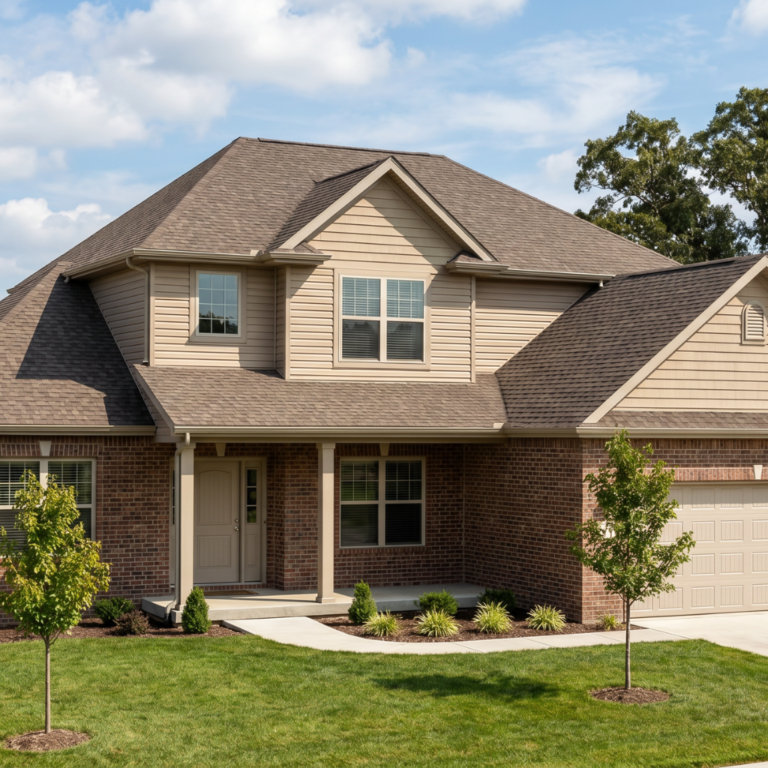
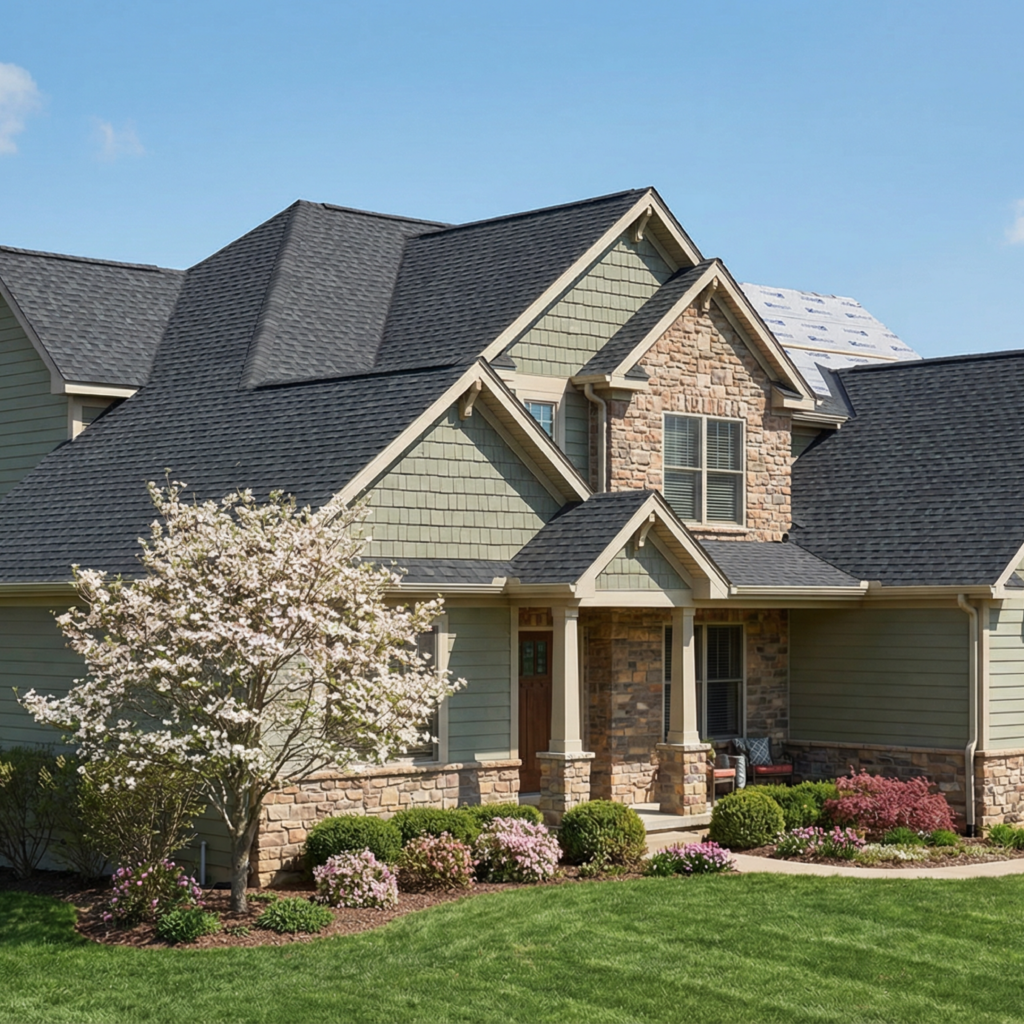
Most Springfield homeowners only replace a roof once or twice in their lifetime. That means most people have never been through this process before. This complete guide to roof replacement covers everything, from knowing when to replace your roof to choosing the right materials for Southwest Missouri’s storm-heavy climate. By the end, you will know exactly what to ask, what to expect, and how to avoid the mistakes that cost homeowners real money.
TLDR: Most Springfield-area roofs show clear warning signs before they fail, and catching them early can prevent serious interior damage. Class 4 impact-resistant shingles are the top choice for Southwest Missouri’s hail climate, while standing seam metal lasts 40 to 70 years for homeowners planning to stay long-term. A full roof replacement in Springfield typically takes one to three days once installation begins. Read on for the complete breakdown.
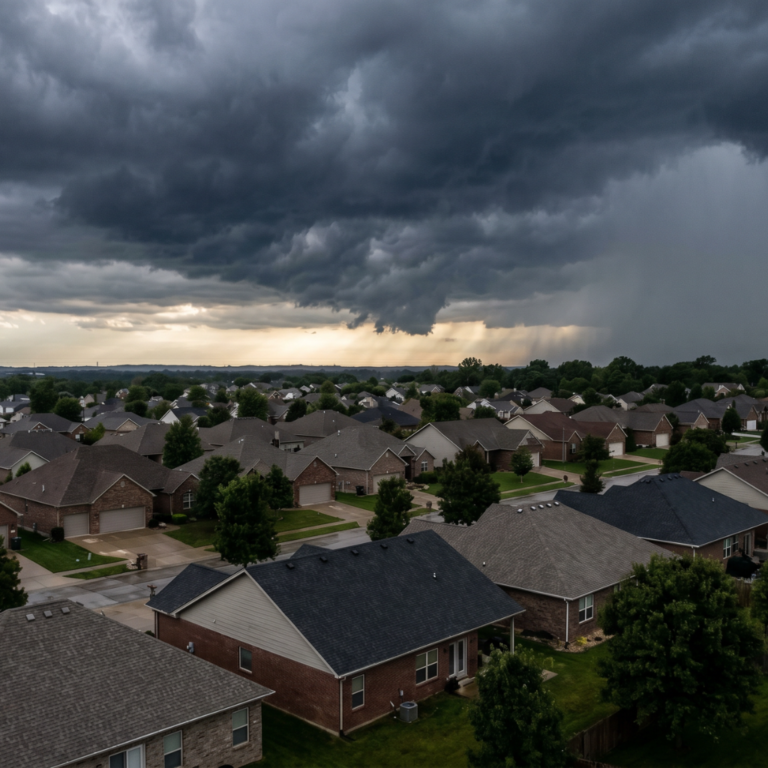
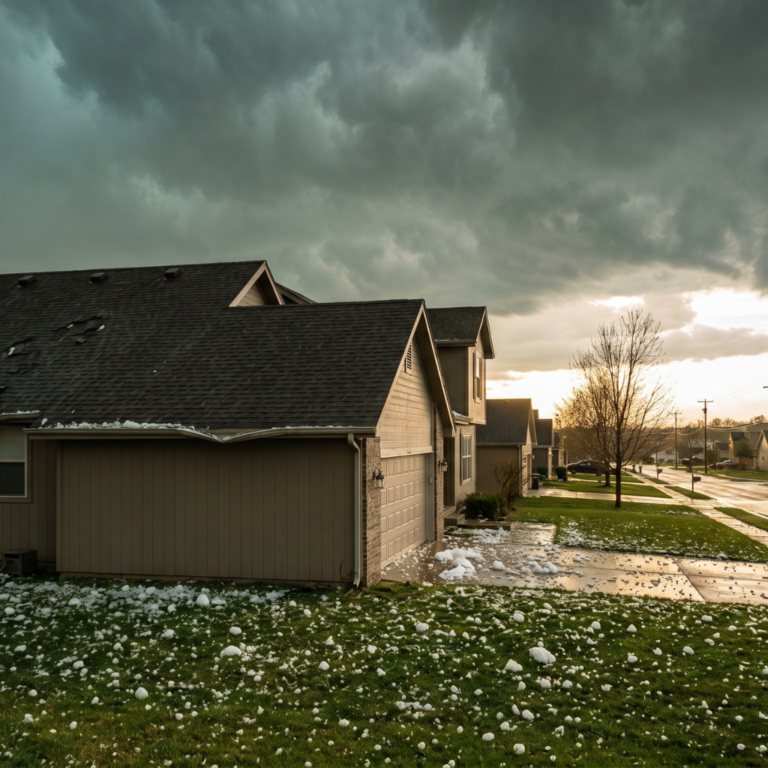
You live in one of the most storm-active parts of the country. Springfield, Ozark, and the surrounding area sit inside a region that sees an average of 10 tornadoes per year through the NWS Springfield forecast area. That is not bad luck. That is just the weather here. And your roof is the one thing standing between all of that and the inside of your home.
Most homeowners only think about their roof when something goes wrong. Contractors use terms you may not recognize. Insurance adjusters use language designed to confuse. This guide walks through every phase of a roof replacement in Springfield, from materials and installation to insurance claims and choosing a contractor. Whether you are planning ahead or responding to storm damage, this is the most complete resource for roof replacement Springfield MO homeowners will find. No filler. No scare tactics. Just the information you need.
When Does a Roof in Springfield Actually Need Replacing?
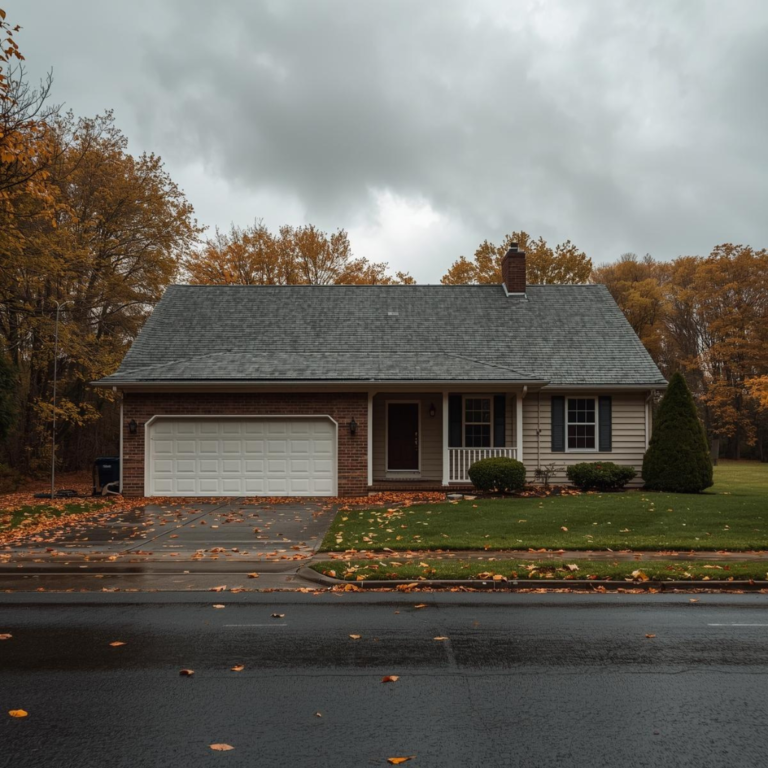
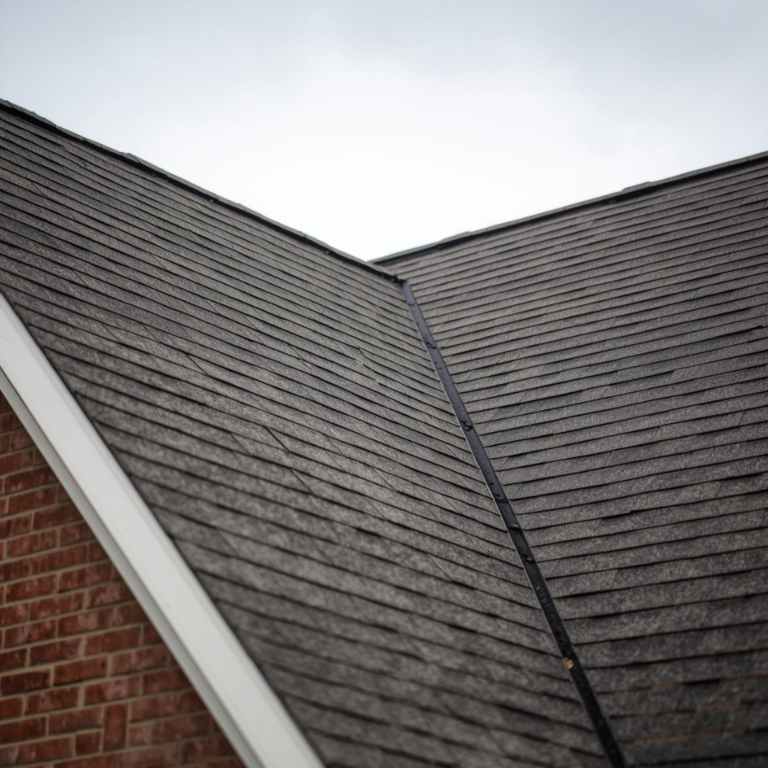
The answer depends on your roof’s age, the materials on it, and its storm exposure. Southwest Missouri’s climate shortens roof life compared to national averages. Summer heat pushes roof surface temperatures past 140 degrees. Freeze-thaw cycles crack weakened shingles. UV exposure breaks down protective granules year after year. Then hail and wind finish the job.
Catching these problems early is the best way to avoid emergency repairs or interior water damage. Here are the 7 signs you need a new roof every Springfield homeowner should know.
Shingle Lifespan by Material in Southwest Missouri
Southwest Missouri’s storm climate, including regular tornado activity through the NWS Springfield forecast area and frequent hail events, plays a direct role in shortening material life. The table below shows how long different roofing materials typically last in this region.
| Material | Expected Lifespan (SW Missouri) | National Average | Key Risk Factors |
|---|---|---|---|
| 3-Tab Asphalt | 15 to 20 years | 20 to 25 years | Hail, granule loss, UV |
| Architectural Asphalt | 20 to 28 years | 25 to 30 years | Wind uplift, hail, heat |
| Class 4 Impact-Resistant | 25 to 35 years | 30 to 40 years | Best hail protection available |
| Standing Seam Metal | 40 to 70 years | 40 to 70 years | Nearly hail-immune; minor expansion |
These lifespans reflect real conditions in the Springfield and Ozark area, not manufacturer marketing. Your roof’s actual lifespan depends on installation quality, attic ventilation, and storm history.
Illustrative scenario: A homeowner in Springfield had been told by a neighbor that their roof “looked fine from the street.” A professional inspection found heavy granule loss on the south-facing slope and cracked shingles along two ridgelines. The roof was 22 years old, well past the expected lifespan for architectural asphalt shingles in Southwest Missouri. The homeowner scheduled the replacement before peak hail months and avoided a claim situation entirely.
Tip: South- and west-facing roof slopes age faster in Southwest Missouri because they absorb more afternoon sun and take the brunt of storms from the southwest. If your roof has uneven wear, start your inspection there.
Warning Signs That Repair Will Not Cut It
Watch for these red flags that point toward a full roof replacement in Springfield, MO rather than a patch job:
- Curling or cupped shingles on more than one slope
- Heavy granule loss visible in your gutters after rain
- Missing shingles after storms, especially if this happens repeatedly
- Sagging or soft spots on the roof deck
- Water stains inside the attic or on ceilings
- A roof older than 20 years with documented storm history
- Multiple repairs within the last three to five years that have not held
If your roof checks more than two of these boxes, it is time for a conversation with a trusted contractor about whether repair or replacement makes more sense.
Choosing the Right Roofing Material for Southwest Missouri
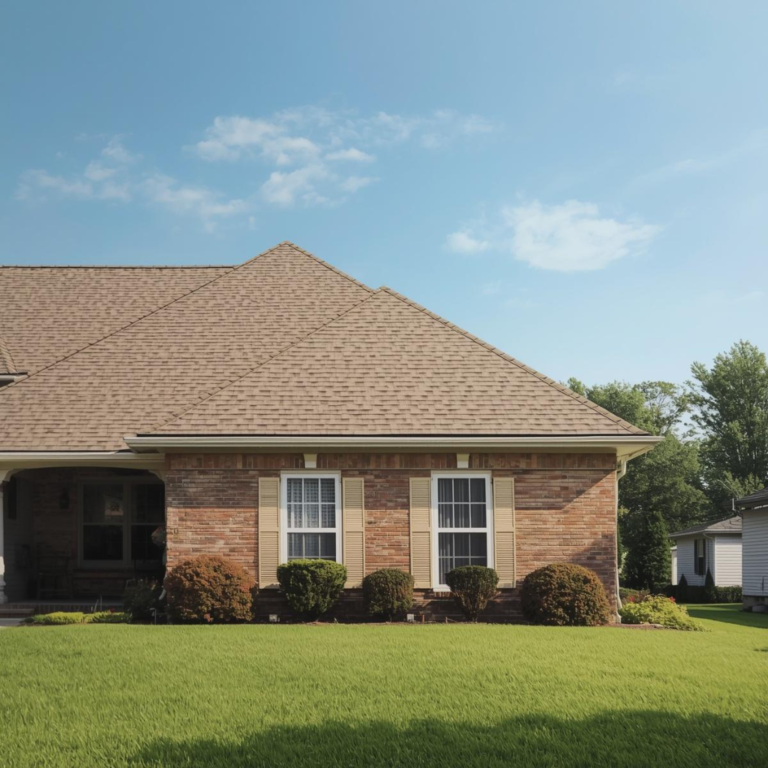
In Southwest Missouri, the material you choose directly affects storm resilience, insurance premiums, and how long it will be before you need another new roof. Springfield Missouri homeowners have two main paths: asphalt shingles (Class 3 or Class 4 impact-resistant) or standing seam metal roofing.
Asphalt Shingles: Class 3 vs. Class 4
Impact resistance ratings come from a standardized test called UL 2218, which organizations like IBHS use to rate shingle performance. The test drops a steel ball onto a shingle and checks the back for cracks. Class 3 uses a 1.75-inch ball dropped from 17 feet, representing golf-ball-sized hail. Class 4 uses a 2-inch ball dropped from 20 feet, the highest rating available for asphalt shingles.
In Southwest Missouri, where large hail events are a regular feature of the storm season, Class 4 provides meaningful protection that Class 3 does not. Owens Corning’s Duration FLEX and Duration STORM shingles carry the Class 4 rating with SureNail Technology and a 130 MPH wind resistance warranty.
Pro tip: Your insurance company may offer a meaningful discount on your premium if you install Class 4 impact-resistant shingles. Ask your insurance agent before you choose a material. Discount levels vary by carrier, but the long-term savings can change the decision significantly.
Standing Seam Metal Roofing
A standing seam metal roof uses raised seams that lock panels together and shed water without exposed fasteners. Concealed fasteners mean fewer leak points over the life of the roof.
Standing seam metal lasts 40 to 70 years and is nearly hail-immune at standard Southwest Missouri hail sizes. It costs more upfront, but total lifecycle cost is often lower than replacing asphalt shingles twice over the same period. This is the best option for homeowners who plan to stay long-term or want a “done forever” solution.
Material Comparison Table
Use this table to guide your conversation during a free estimate. Any contractor you talk to should be able to explain each option clearly without pressure.
| Feature | Class 3 Asphalt | Class 4 Asphalt | Standing Seam Metal |
|---|---|---|---|
| Hail Resistance | Moderate (golf ball) | High (2-inch) | Very High |
| Lifespan in SW MO | 18 to 25 years | 25 to 35 years | 40 to 70 years |
| Wind Rating | Varies | Up to 130 MPH | Very High |
| Insurance Discount | Possible | Often available | Varies by insurer |
| Maintenance | Moderate | Low to moderate | Very Low |
| Best For | Budget or rental | Most homeowners | Long-term or storm-priority |
Class 4 impact-resistant shingles are the top recommendation for most Springfield homeowners. Standing seam metal is the right call for long-term owners who want near-zero maintenance. Class 3 works for cost-sensitive situations like rental properties.
Illustrative scenario: A family in Nixa was replacing a storm-damaged roof and originally planned the same basic architectural shingles. After learning about Class 4 options during the inspection process, they upgraded. Their insurance agent confirmed a premium discount that applied immediately at renewal. The upgraded shingles also carried a stronger wind warranty, giving the homeowner confidence heading into the next storm season.
The Roof Replacement Process: Step by Step
If you have never been through a roof replacement before, the process can feel overwhelming. Here is exactly what to expect from start to finish.
- Free inspection and written estimate. A reputable contractor comes to your home, inspects the full roof, and gives a detailed written estimate. This should cost nothing and come with no obligation. Typical turnaround is one to two business days.
- Material selection. Choose your shingle class, color, and profile. Your contractor should walk you through options based on your home, budget, and storm history.
- Permit check. The City of Springfield classifies standard roof repair, replacement, and recover as repair and maintenance, so no building permit is required for a typical reroof. A permit kicks in only if structural framing is altered or more than 32 contiguous square feet of decking is replaced. For projects in Ozark, Nixa, Branson, Rolla, or unincorporated county areas, your contractor should confirm the local rule with the building department before work starts.
- Materials delivered. Shingles, underlayment (a protective layer under shingles that keeps water out), ice and water shield, drip edge (a metal strip that directs water into the gutter), and flashing (metal pieces that seal edges and openings) are staged at your property.
- Tear-off day. Old roofing is removed down to the decking (the wood surface under your shingles). The crew inspects for rot or water damage. Compromised sections are replaced before new material goes down. This is the loudest phase of the project.
- System installation. Ice and water shield at eaves and valleys. Synthetic underlayment across the full deck. Drip edge and flashing installed. Then shingles from bottom to top in overlapping rows.
- Ventilation and details. Ridge vents (vents along the peak that let hot air escape from the attic), soffit vents (under the roof overhang), and flashings at all penetrations are completed and sealed. The fascia boards along the roofline edge are inspected and repaired if needed.
- Cleanup and walkthrough. The crew uses magnetic rollers for nail pickup. A good contractor will walk the property with you before signing off. All debris should be removed the same day.
Tip: Before installation day, move vehicles out of the driveway and cover anything in the attic. Vibration from the tear-off shakes loose debris through small gaps.
Important: If your decking has water-damaged sections, the contractor cannot know the full scope until tear-off is complete. A good contractor will document deck repairs and get your approval before proceeding. Ask about this policy upfront so there are no surprises. If decking damage pushes past 32 contiguous square feet, the job has crossed into permit territory in Springfield and the paperwork needs to start.
Timeline: From Inspection to Final Walkthrough
This table shows typical timelines for each phase of a roof replacement in Springfield, MO. Your specific timeline may vary based on roof size, material, and weather.
| Phase | Typical Duration | Notes |
|---|---|---|
| Inspection and estimate | 1 to 2 days | Free; includes written breakdown |
| Permit check (if applicable) | 0 to 14 business days | Not required for standard Springfield reroof; structural or large decking work may trigger one. Other cities have their own rules. |
| Material ordering and delivery | 1 to 2 weeks | Scheduled based on project start |
| Installation (asphalt) | 1 to 3 days | Weather-dependent; most homes done in 1 day |
| Installation (standing seam metal) | 2 to 5 days | Longer on complex roof layouts |
| Final inspection and closeout | 1 day | Walk-through; permit inspection if one was required |
| Total project (typical) | 2 to 4 weeks | From first call to finished roof |
Most homeowners are surprised by how fast installation goes once it starts. Material ordering and scheduling is where most of the calendar time sits for a standard Springfield job.
Illustrative scenario: A homeowner in Ozark called their contractor on a Tuesday after finding a ceiling stain following a spring storm. The inspection happened Wednesday, materials were ordered Thursday, and the crew started inside of two weeks. Tear-off and installation finished in a day and a half. The homeowner had a fully sealed roof inside of three weeks from the first phone call.
Southwest Missouri Storm Season and Your Roof
Springfield and the surrounding area sit in one of the most active severe weather corridors in the country. According to NWS Springfield severe weather climatology, the Springfield NWS coverage area averages roughly 10 tornadoes per year. Southwest Missouri also sees frequent hail events. Peak severe weather runs April through June, but storms can happen any month.
That is the reality your roof faces every year. The material on your home and the quality of the installation are the two biggest factors in whether your roof survives a storm season or needs a full replacement because of one.
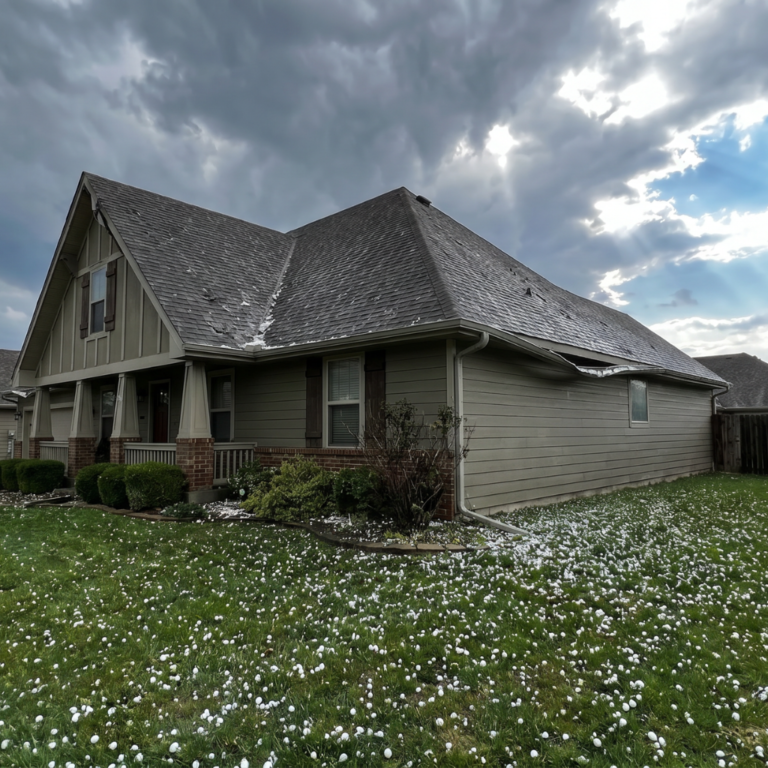
Tip: After every major hailstorm, walk your property and photograph damage to gutters, AC units, window screens, and siding before calling a roofer. Dented gutters and dinged-up vents often signal roof damage even when shingles look intact from the ground.
What Different Hail Sizes Do to Your Roof
Hail damage is not always easy to see, and the size of the hail makes a big difference in what kind of damage it causes. Here is a reference chart.
| Hail Size | Common Object | Effect on Asphalt Shingles | Recommended Action |
|---|---|---|---|
| Under 1 inch | Pea or marble | No functional damage | No action needed |
| 1 to 1.25 inches | Quarter | Rare granule loss | Monitor; check gutters |
| 1.5 inches | Ping pong ball | Granule bruising, possible cracking | Schedule inspection |
| 1.75 inches | Golf ball | Heavy granule loss, possible cracking | Schedule inspection; likely insurance claim |
| 2 inches | Hen egg | Heavy granule loss, likely cracks | Likely full replacement |
| Over 2 inches | Baseball or larger | Structural damage likely | Emergency inspection |
Class 4 shingles are rated to handle 2-inch hail in lab testing. Southwest Missouri sees hail in this range during active storm seasons. Impact-resistant materials are not just a nice upgrade here. They are a practical investment.
Illustrative scenario: A family in Republic heard hail pounding the roof during a late April storm. From the street, the roof looked intact. A professional inspection found heavy granule loss across the north and west slopes, damage invisible from the ground but consistent with the size of hail that NWS Springfield reported for their area that night. The contractor documented everything and helped the homeowner open an insurance claim. The adjuster confirmed the damage and approved a full replacement with Class 4 shingles.
Navigating Your Insurance Claim After Storm Damage
Most standard homeowners policies cover sudden storm damage from hail, wind, lightning, and debris. What is not covered includes wear and tear, deferred maintenance, and age-related problems.
The most important thing to understand is that you, the homeowner, open the claim. Not the contractor. Your relationship with your insurer belongs to you. A good contractor will stand beside you through every step and advocate for accurate documentation. But the claim is yours to file. For a deeper walkthrough, read our guide on the roof insurance claim process.
Tip: Open your own insurance claim. A contractor cannot and should not open it for you. A good contractor will help with documentation and meet the adjuster on-site, but the claim is yours.
Important: Be cautious of any contractor who shows up uninvited after a storm, pressures you to sign immediately, or claims they can “get your claim approved.” These are common storm chaser tactics in Southwest Missouri. Get at least two to three written estimates before committing.
What to Do After a Storm: 6-Step Checklist
- Walk your property safely and photograph gutters, siding, AC units, vents, and any shingles on the ground before cleanup.
- Check your attic for water stains, daylight through the decking, or sagging areas near the ridge.
- Do not get on the roof yourself. Call a local roofing contractor for a free inspection.
- Contact your insurance company directly to report potential storm damage. Note the storm date and time.
- Schedule a professional inspection. Bring your insurance carrier contact info.
- Do not sign anything with any contractor until you have compared at least two to three written estimates.
How to Choose a Roof Replacement Contractor in Springfield
Finding the right contractor matters as much as choosing the right material. Here are the questions to ask any roofer before you agree to work together: Are you insured? Do you use your own in-house crews or subcontractors? How do you handle permits when one is required? What does the warranty cover? Can you provide references from recent jobs in Springfield or the surrounding area? What is your plan if the decking has rotted sections?
Pro tip: Ask any contractor if they use in-house crews or subcontractors. Out-of-state storm chasers often hire whoever is available locally for quick volume. In-house crews mean more accountability and consistent quality on every job.
Tip: Missouri does not have a statewide general contractor license, so anyone can legally call themselves a roofer. Insurance, local experience, and in-house crews matter more here than a license number. Always verify insurance coverage directly.
Pro tip: Get every estimate in writing with a detailed line-by-line breakdown. A verbal quote or one-page summary is not enough. You should see the shingle type, underlayment, flashing, ventilation work, and cleanup spelled out. That is how you compare apples to apples across two or three contractors.
Contractor Evaluation Checklist
Use this table when comparing contractors. Green flags point toward a company you can trust. Red flags suggest you should keep looking.
| What to Check | Green Flag | Red Flag |
|---|---|---|
| Insurance | Provides certificate on request | Cannot or will not produce certificate |
| Crew type | In-house crews only | Unknown subcontractors |
| Permit handling | Can explain when a permit is triggered (structural work or more than 32 contiguous sq ft of decking) and pulls it when required | Cannot explain the structural and decking thresholds, or refuses to confirm the rule with the building department |
| Estimate format | Detailed written quote | Verbal only or vague summary |
| Sales pressure | Takes time, no deadline | “Sign today or price goes up” |
| Local presence | Physical address nearby | Out-of-state with no local office |
| References | Local jobs with contact info | None or deflects question |
A contractor who checks every green flag box is worth your time.
Building Codes and Permit Requirements in Springfield, MO
The City of Springfield classifies standard roof repair, roof replacement, and roof recover as repair and maintenance activities. That means a typical tear-off and reroof does not require a building permit. A permit is only triggered if a structural element (rafter, truss, or framing member) is altered or replaced, or if more than 32 contiguous square feet of deck sheathing is replaced during the job. This is laid out plainly in the City of Springfield Roofing and Re-roofing Bulletin.
Missouri does not have a statewide general contractor license, and requirements vary by city. Permit rules in Ozark, Nixa, Branson, Rolla, and unincorporated Christian and Greene Counties are set by those jurisdictions, not by the City of Springfield. Confirm with the relevant local building department before work begins. When you call, ask which version of the International Residential Code or International Building Code your jurisdiction has adopted.
Important: Even when a permit is not required, a contractor should be able to explain how they handle the structural and 32-contiguous-square-foot decking thresholds. If they cannot, that is a red flag worth taking seriously. A roof job that crosses those thresholds without proper documentation can create problems if you later sell your home or file an insurance claim related to that structural work.
Roof Replacement Across Southwest Missouri
Every community in Southwest Missouri faces the same storm exposure. Whether you are in Springfield, Republic, Battlefield, or Willard across Greene County, or in Nixa, Clever, and Billings in Christian County, or down in Branson, Forsyth, and Hollister in Taney County, the hail patterns and tornado risk are shared.
That is also true for Marshfield in Webster County, Rolla in Phelps County, Aurora in Lawrence County, and Lebanon in Laclede County. A roofing contractor who knows this region understands that materials need to perform differently here than they do in other parts of the country. Local knowledge matters when your roof has to survive Southwest Missouri.
Tip: If you are in Branson, Forsyth, or the Hollister area, note that Taney County sits in one of the most varied landscapes in Southwest Missouri. Steep pitches, wooded lots, and lake-adjacent humidity all factor into the inspection and material recommendation. Make sure your contractor has worked in Taney County before.
Illustrative scenario: Over one spring storm season, a local contractor completed roof replacements across three counties after a series of hail events tracked through the Springfield metro area. Families in Battlefield, Republic, and Marshfield all submitted similar claims within 72 hours. Having multiple in-house crews allowed all three projects to begin and finish within 10 days of each other, without any homeowner waiting through postponements.
FAQ: Roof Replacement in Springfield, MO
Q: How long does a roof replacement take in Springfield? A: Most asphalt shingle replacements take one to three days once installation begins. The full project runs two to four weeks from inspection through final walkthrough. Standing seam metal may take a day or two longer. A contractor with multiple in-house crews can often start the same week or following week.
Q: What is the difference between Class 3 and Class 4 shingles? A: Both ratings come from the UL 2218 impact test. Class 3 uses a 1.75-inch ball dropped from 17 feet and handles golf-ball-sized hail. Class 4 uses a 2-inch ball from 20 feet, the highest rating for asphalt shingles. In Southwest Missouri, where larger hail shows up during active storm seasons, Class 4 provides meaningful additional protection and a potential insurance discount.
Q: Does homeowners insurance cover roof replacement? A: Most standard policies cover sudden storm damage from hail, wind, lightning, and debris. Gradual wear, aging, and deferred maintenance are not covered. Document damage quickly with photos, file the claim yourself, and have a local contractor help with the inspection and adjuster meeting.
Q: Do I need a permit to replace my roof in Springfield, MO? A: For a standard tear-off and reroof, no. The City of Springfield treats standard roof repair, roof replacement, and roof recover as repair and maintenance, so a permit is not required for a typical job. A permit is only needed if a structural element is altered or replaced, or if more than 32 contiguous square feet of deck sheathing is replaced. Confirm with your local building department for rules in Ozark, Nixa, Branson, Rolla, or unincorporated county areas.
Q: How do I know if I need a full replacement or just a repair? A: The main factors are roof age, damage scope, and repair cost relative to replacement. If your roof is under 15 years old with localized damage, a repair usually works. Past 20 years with multiple damaged areas, replacement typically makes more financial sense.
Q: What is the best roofing material for Southwest Missouri? A: Class 4 impact-resistant shingles are the top recommendation for most homeowners considering a new roof in Springfield, Missouri and the surrounding Ozark area. Standing seam metal roofing is better for long-term owners who want 40 to 70 years of nearly maintenance-free protection. Class 3 works for cost-sensitive situations.
Q: Can I stay home during the roof replacement? A: Yes. The process is loud and vibration from the tear-off is noticeable, but most homeowners stay home without any interruption to the work. Move vehicles from the driveway and cover attic storage items.
Q: How long will my new roof last in Southwest Missouri? A: Architectural asphalt shingles typically last 20 to 28 years here. Class 4 shingles can push 25 to 35 years. Standing seam metal lasts 40 to 70 years. Ventilation, installation quality, and attic airflow all affect lifespan. Make sure your contractor inspects ventilation as part of every replacement estimate.
Q: What should I do immediately after a storm damages my roof? A: Photograph everything before cleanup. Check your attic for water intrusion or visible daylight. Do not get on the roof. Call a local contractor for a free inspection before calling your insurance company. Be cautious of any contractor who shows up uninvited.
Q: What questions should I ask before hiring a roofer? A: Ask about insurance, in-house crews vs. subcontractors, how they handle permits when one is required, written estimates, and their process if decking is damaged. Missouri has no statewide contractor license, so insurance and in-house crews are your best signals of accountability.
Key Takeaways
Knowing When to Replace
- Asphalt shingles last 15 to 28 years in Southwest Missouri depending on type and storm exposure
- Three or more warning signs mean it is time for a professional inspection
- Repairs make sense under 15 years old with localized damage; replacement wins past 20
Choosing the Right Material
- Class 4 impact-resistant shingles are the top choice for most Springfield homeowners
- Standing seam metal lasts 40 to 70 years and is nearly hail-immune
- Ask your insurance agent about premium discounts before committing
The Replacement Process
- Most installations take one to three days; the full project runs two to four weeks
- Standard Springfield reroofs do not require a permit; structural framing changes or more than 32 contiguous square feet of decking replacement do
- Tear-off day is the loudest phase; move vehicles and cover attic items beforehand
After a Storm
- Photograph damage immediately before any cleanup
- File your insurance claim yourself; a contractor is your advocate, not the claim holder
- Never sign with a contractor who pressures you the day of a storm
Choosing a Contractor
- In-house crews, insurance certificates, and written estimates are green flags
- Missouri has no statewide contractor license, so verify insurance independently
- A contractor who cannot explain the structural and 32-contiguous-sq-ft decking thresholds is the real permit red flag
- Get two to three written estimates before deciding
Southwest Missouri Climate
- The Springfield NWS coverage area averages roughly 10 tornadoes per year (1961 to 1995 climatology)
- Peak storm season runs April through June, but storms can happen any month
- Local contractors who know this region understand that roofing materials need to perform differently here
Ready to Replace Your Roof? Start With a Free Inspection
You now have a clear picture of when to replace, what materials make sense for Southwest Missouri, and what to look for in a contractor. The next step is to talk with a team that lives and works in your community.
ProNail Exteriors brings over a decade of hands-on roofing experience and multiple in-house crews to every project across Southwest Missouri. Founded by Eden Branson in Ozark, the company serves every community within 50 miles of Springfield, including neighborhoods in Branson, Republic, Rolla, and beyond. We treat every home like our own, and we will give you the straight answer whether you need a full replacement or just a repair.
- Free roof inspection and honest assessment
- Written estimates with full breakdown
- In-house crews on every project
- Insurance claim documentation and adjuster support
- Honest material guidance with no pressure
Get a free estimate and see what your roof actually needs. We will give you the straight answer either way.
Call: 844-321-6245 Email: [email protected]
Schedule your free inspection today.
ProNail Exteriors | Roofing, Siding, Windows, Gutters, Decks, and More | Serving Southwest Missouri Since 2025