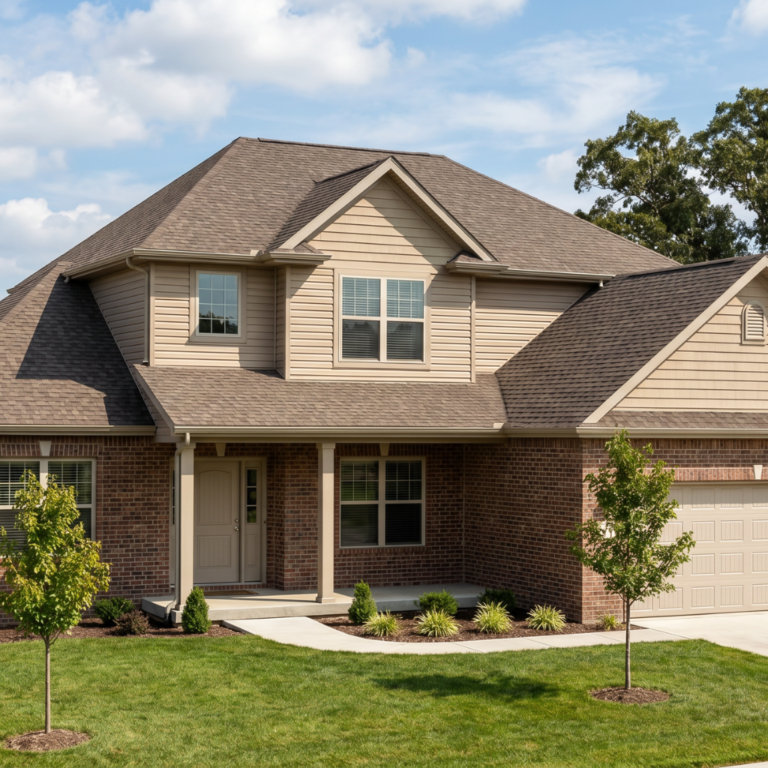
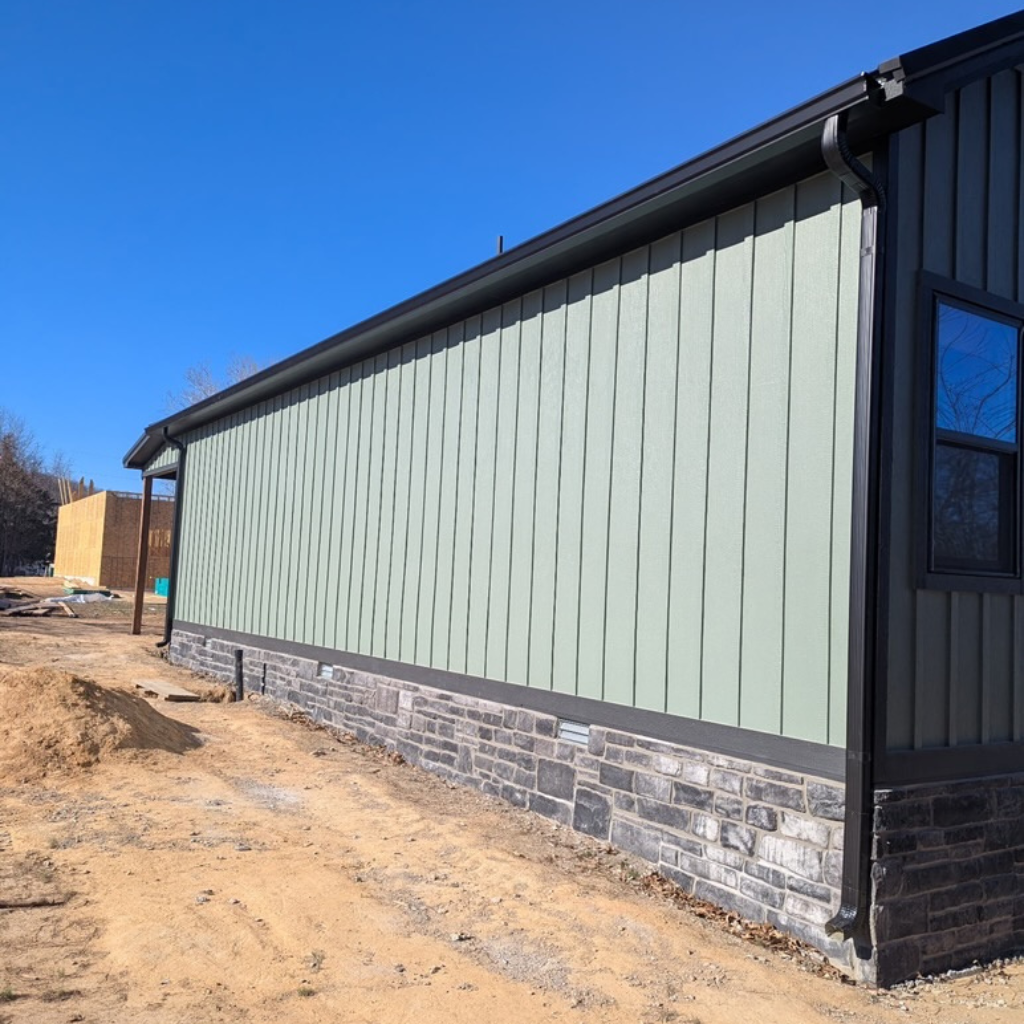
Republic homeowners face real storms every year, and picking the right siding is not just a cosmetic decision. It is a protection decision. This post compares steel siding, James Hardie fiber cement, and LP SmartSide across the things that matter most in Southwest Missouri: storm toughness, maintenance load, lifespan, and long-term value.
TL;DR: Steel siding carries the highest impact rating and needs the least maintenance over its life. Hardie board fights hail and fire well but needs repainting every decade or so. LP SmartSide costs less upfront but has a weaker long-term warranty. All three beat vinyl in a Southwest Missouri storm zone. The right pick comes down to your budget, how long you plan to stay, and how much maintenance you are willing to do.
If you have repainted your siding twice in the last 15 years or watched panels crack after a hailstorm, you already know that not all siding is built for this part of Missouri. Republic gets the same spring storms as Springfield and Nixa. The hail is real, the temperature swings are wide, and the humidity in summer does not make things easier.
Choosing between steel, fiber cement, and engineered wood can feel overwhelming when every contractor seems to prefer a different product. The specs are dense, the warranties read like legal documents, and nobody wants to make a $15,000 mistake on their home’s exterior.
This post breaks all three materials down in plain language. No jargon, no sales pitch, just a clear side-by-side look at what each one actually does in Southwest Missouri weather.
What Makes Siding Tough in Southwest Missouri
According to NOAA, Missouri has experienced 120 billion-dollar weather and climate disasters between 1980 and 2024. Of those, 82 were severe storm events involving hail and high winds. Southwest Missouri sees more tornadoes than any other region in the state, and the NWS Springfield forecast area averages about 10 tornadoes per year. Peak storm season runs April through June, but severe weather hits year-round across Greene, Christian, and Webster counties.
Beyond hail and wind, siding in this region also faces UV sun damage through long summers, temperature swings of 80 to 90 degrees between seasons, and high summer humidity that pushes moisture into any material with a gap or a crack. The right siding handles all of that for 30 to 50 years without constant attention.
What separates good siding from great siding in this climate is a combination of impact resistance, moisture resistance, fire resistance, and how well the material holds up through repeated freeze-thaw cycles. All three products in this comparison handle those demands better than vinyl. But they handle them in different ways and at different levels.
Pro tip: Siding that performs well in Southwest Missouri storms is rated across four categories: impact, fire, moisture, and temperature swings. Looks matter, but those four ratings are what actually protect your home.
Steel Siding: The Toughest Option
Steel siding carries a Class 4 impact rating, which is the highest rating possible under the UL 2218 test. That is the same standard used for Class 4 impact-resistant roofing shingles, and it means steel siding has been tested to handle large hail without cracking or splitting. For a region that sees hail of 1.5 inches or more several times each year, that rating is not just a selling point. It is a practical advantage.
Steel does not rot, warp, crack, absorb moisture, or attract insects. There are no organic materials in it for pests to feed on and no wood fibers to soak up water after a rainstorm. It is non-combustible, which means it does not add fuel to a house fire the way wood-based materials can. In a climate where storms can arrive alongside lightning and dry summer conditions, that matters.
Steel siding comes with a 40-year fade warranty and typically lasts 40 to 50 years in most climates. For siding replacement projects where the homeowner wants to install once and not think about it again for decades, steel is the product that delivers on that promise most consistently.
The main downside is that very large hail, the kind that comes through every few years, can leave minor dents in steel panels. The panels stay waterproof and structurally sound, but the cosmetic marks can be visible on lighter colors.
| Feature | Steel Siding |
|---|---|
| Impact Rating | Class 4 (highest) |
| Lifespan | 40-50 years |
| Maintenance | Very low |
| Fire Resistant | Yes |
| Rot and Insect Resistant | Yes |
| Warranty | 40-year fade |
Pro tip: Steel siding is ProNail Exteriors’ top premium recommendation for Southwest Missouri homeowners who want maximum storm protection and minimum maintenance. If you are planning to stay in your home for 20 or more years and want to stop thinking about your siding, steel is the strongest long-term choice.
James Hardie Fiber Cement Siding: The Proven Middle Ground
Fiber cement is made from a mix of cement, sand, and cellulose fibers pressed into panels or planks. James Hardie is the most recognized brand in the category and has been installed across millions of homes. The full James Hardie product catalog outlines the specific products and their technical specs for anyone who wants to go deeper on the details.
Hardie board withstands hail up to about 1.75 inches without cracking in lab impact tests. It is non-combustible, moisture-resistant, and pest-resistant. Unlike wood siding, it does not give termites or carpenter ants anything to work with. Unlike vinyl, it does not crack in cold temperatures or warp in heat. It holds paint well and can be factory-primed or pre-painted in a wide range of colors.
Hardie comes with a 30-year product warranty and can last 30 to 50 years when maintained correctly. The key maintenance requirement is repainting every 10 to 15 years. Hardie board is also heavier than LP SmartSide, which adds some labor time during installation. Cut edges need to be properly sealed to prevent moisture absorption, which is something a skilled installation crew handles as a matter of course.
| Feature | Fiber Cement (Hardie) |
|---|---|
| Impact Rating | Handles 1.75 inch hail |
| Lifespan | 30-50 years |
| Maintenance | Moderate (repaint every 10-15 years) |
| Fire Resistant | Yes |
| Rot and Insect Resistant | Yes |
| Warranty | 30-year product |
Pro tip: Hardie is a great choice for Republic and Springfield homeowners who want the clean, painted wood look with significantly better storm and moisture protection than actual wood siding. If you enjoy freshening up the exterior color every decade or so anyway, the repaint requirement barely feels like a burden.
LP SmartSide: The Lightweight Option
LP SmartSide is made from wood strands that are wax-coated and bonded with resin under heat and pressure. It looks like natural wood from the street but resists rot and insects far better than traditional wood siding. LP adds a zinc borate treatment during manufacturing to resist termites and fungal decay, which is a real concern in the humid summers Southwest Missouri delivers. You can review LP’s full product specs and warranty details directly on the LP SmartSide products page.
SmartSide is lighter and easier to install than Hardie fiber cement. That lighter weight can reduce labor time and makes it a more manageable material for projects where access is tight or the home profile is complex. For homeowners comparing the steel siding vs fiber cement siding question with a tighter upfront budget, LP SmartSide often comes up as a middle-ground option.
The warranty sounds impressive on paper: 50 years limited. But the fine print matters here. That 50-year warranty is prorated, meaning full coverage only applies in the first five years. After that, coverage shrinks by 2.2 percent per year. By year 25, your remaining warranty coverage is significantly reduced. LP SmartSide also requires consistent painting and caulking maintenance. If the paint is allowed to fail and moisture gets into the engineered wood substrate, problems develop faster than they would with steel or Hardie.
| Feature | LP SmartSide |
|---|---|
| Impact Rating | Good, below Class 4 |
| Lifespan | 30-50 years |
| Maintenance | Moderate (keep paint fresh) |
| Fire Resistant | Partial |
| Rot and Insect Resistant | Yes, with zinc borate treatment |
| Warranty | 50-year limited prorated |
Pro tip: LP SmartSide is a good budget-friendly upgrade from vinyl and a meaningful step up in performance. Just keep up with painting and caulking. In Southwest Missouri’s humidity, a neglected paint surface on engineered wood can shorten the product’s effective life considerably.
Side-by-Side Comparison: All Three Materials
Here is how the three products stack up directly against each other for the conditions Republic and Springfield homeowners actually face.
| Category | Steel Siding | James Hardie | LP SmartSide |
|---|---|---|---|
| Impact Rating | Class 4 (highest) | Handles 1.75 inch hail | Good, not Class 4 |
| Lifespan | 40-50 years | 30-50 years | 30-50 years |
| Maintenance | Very low | Moderate | Moderate |
| Fire Resistance | Yes | Yes | Partial |
| Moisture Resistance | Excellent | Very good | Good |
| Warranty | 40-year fade | 30-year product | 50-year prorated |
| Best For | Maximum storm protection | Classic wood look | Budget upgrade |
For most Southwest Missouri homeowners who are staying put long-term and want maximum protection with minimal upkeep, steel wins the overall comparison. Hardie wins when aesthetics and a traditional painted look are the priority. LP SmartSide wins when upfront cost is the driving factor and the homeowner commits to maintenance.
Which Siding Is Right for Your Republic Home?
The right answer depends on three things: your budget right now, how long you plan to stay in the home, and how much ongoing maintenance you are willing to do. All three products are solid choices compared to vinyl. The differences between them become more meaningful the longer you plan to live under them.
Here is a simple breakdown to help you decide:
- Choose steel siding if you want maximum hail and storm protection, the lowest maintenance over time, and plan to stay in your home 20 or more years.
- Choose James Hardie if you want a classic painted-wood appearance with strong storm and fire resistance and are comfortable repainting every decade.
- Choose LP SmartSide if you want a meaningful upgrade from vinyl at a lower upfront cost and are willing to stay on top of paint and caulk maintenance.
- Avoid vinyl in Republic: It cracks in cold weather, dents in hail, and fades quickly in Southwest Missouri sun. ProNail Exteriors does not recommend vinyl as a premium siding solution in this climate.
| Your Priority | Best Choice |
|---|---|
| Maximum storm protection | Steel siding |
| Classic painted wood look | James Hardie |
| Lower upfront cost | LP SmartSide |
| Lowest long-term maintenance | Steel siding |
| Fire resistance as a priority | Steel or Hardie |
For questions about insurance discounts that may apply to impact-resistant siding, the insurance claim assistance page covers how ProNail Exteriors can help you document and navigate that process.
Pro tip: Ask your contractor to bring physical samples of all three materials to your estimate appointment. Color chips and photos do not tell you what a panel actually feels like or how it sits on a wall. Holding each one makes the decision much easier.
FAQs About Siding Options in Southwest Missouri
For more answers to common exterior questions, visit our FAQs page.
Q: What siding holds up best against hail in Missouri?
Steel siding has the highest impact rating available: Class 4, the same standard used for the toughest roofing shingles on the market. Fiber cement handles hail up to about 1.75 inches in lab tests. Both are significantly better than vinyl in a hail-prone area like Republic or Springfield.
Q: Does James Hardie siding really last 30 years?
Yes, when it is installed correctly and repainted every 10 to 15 years. The 30-year product warranty covers manufacturing defects but not normal wear. Keeping up with paint and properly sealing all cut edges is the single most important maintenance step for extending Hardie’s life.
Q: Is LP SmartSide as good as Hardie board?
LP SmartSide is a solid product, but it is not as hard or as fire-resistant as James Hardie fiber cement. It is lighter and easier to install, which can reduce labor time. The warranty sounds longer at 50 years, but it is prorated and shrinks significantly after the first five years of coverage.
Q: What is the difference between Class 4 siding and Class 4 roofing?
Both use the same UL 2218 impact test and rating system. Class 4 is the highest rating in both categories. Steel siding and Class 4 roofing shingles are tested the same way, which is why ProNail Exteriors often recommends pairing them for a fully coordinated storm protection system.
Q: Does siding replacement require a permit in Republic?
Permit requirements vary by municipality. Republic falls under Greene County jurisdiction. Contact Republic city hall or the Greene County building department to confirm what is required before work begins. ProNail Exteriors handles the permit process as part of every project.
Q: Can new siding lower my homeowners insurance premium?
Some insurers offer discounts for Class 4-rated siding, similar to the discounts available for Class 4 impact-resistant roofing. Contact your agent directly and ask what discount applies for impact-resistant exterior siding. Every policy is different, so get the answer in writing.
Q: How long does a full siding replacement take in Republic?
A complete siding replacement on a typical home takes 3 to 7 days depending on home size, material choice, and crew size. In-house crews who work together regularly move faster and more consistently than subcontracted crews assembled for one job. Ask your contractor for a realistic timeline before you sign.
Q: Is steel siding noisy in rain or hail?
Modern steel siding is installed over an insulated backing layer that absorbs sound. Most homeowners report no more noise than they would hear from fiber cement or LP SmartSide. The insulation layer also provides an additional benefit: better thermal resistance and lower energy costs.
Q: Can I put new siding over my old siding?
Sometimes, but it depends on the condition of what is underneath. ProNail Exteriors inspects the existing wall and sheathing before recommending an over-wrap versus a full tear-off. Installing new siding over damaged or wet sheathing hides problems and creates larger issues down the road.
Q: How do I choose between steel and Hardie for a Republic home?
If storm protection and low maintenance are your top priorities, steel is the stronger choice for the best siding for Missouri storms. If you love the look of a painted wood exterior and do not mind the repainting cycle, Hardie is an excellent product that many Southwest Missouri homeowners are very happy with long-term.
Key Takeaways
Storm performance
- Steel siding holds a Class 4 impact rating, the highest available, and withstands the largest hail Southwest Missouri produces.
- James Hardie fiber cement handles hail up to about 1.75 inches and resists fire and moisture without organic materials to decay.
- LP SmartSide performs well against moderate hail and resists insects through zinc borate treatment, but sits below Class 4.
Maintenance and lifespan
- Steel requires the least maintenance of the three: very low upkeep and a 40 to 50-year lifespan.
- Hardie needs repainting every 10 to 15 years but lasts 30 to 50 years with proper care.
- LP SmartSide needs consistent paint and caulk attention; the prorated warranty shrinks 2.2 percent per year after year five.
Making the call
- All three beat vinyl in hail, wind, and moisture resistance for Republic and Southwest Missouri.
- Class 4 steel siding may qualify for homeowners insurance discounts. Ask your agent.
- Permits may be required in Republic and Greene County for full siding replacements.
- Choose based on your priorities: maximum storm protection points to steel, classic aesthetics point to Hardie, and a tighter upfront budget points to LP SmartSide.
Not Sure Which Siding Is Right for Your Republic Home?
ProNail Exteriors serves Republic, Springfield, Nixa, and all of Southwest Missouri with in-house crews who know local storm patterns and local building requirements. They install steel siding, James Hardie fiber cement, and LP SmartSide, and they will bring physical samples to your estimate so you can see each material up close before deciding. You can browse the full range of exterior services or jump straight to scheduling a free estimate.
The estimate is free, the conversation is honest, and there is no pressure to decide on the spot. ProNail Exteriors will tell you exactly what they recommend for your home and why, and they will give you the time you need to make the right call.
ProNail Exteriors | Roofing, Siding, Windows, Gutters, Decks, and More | Serving Southwest Missouri Since 2025