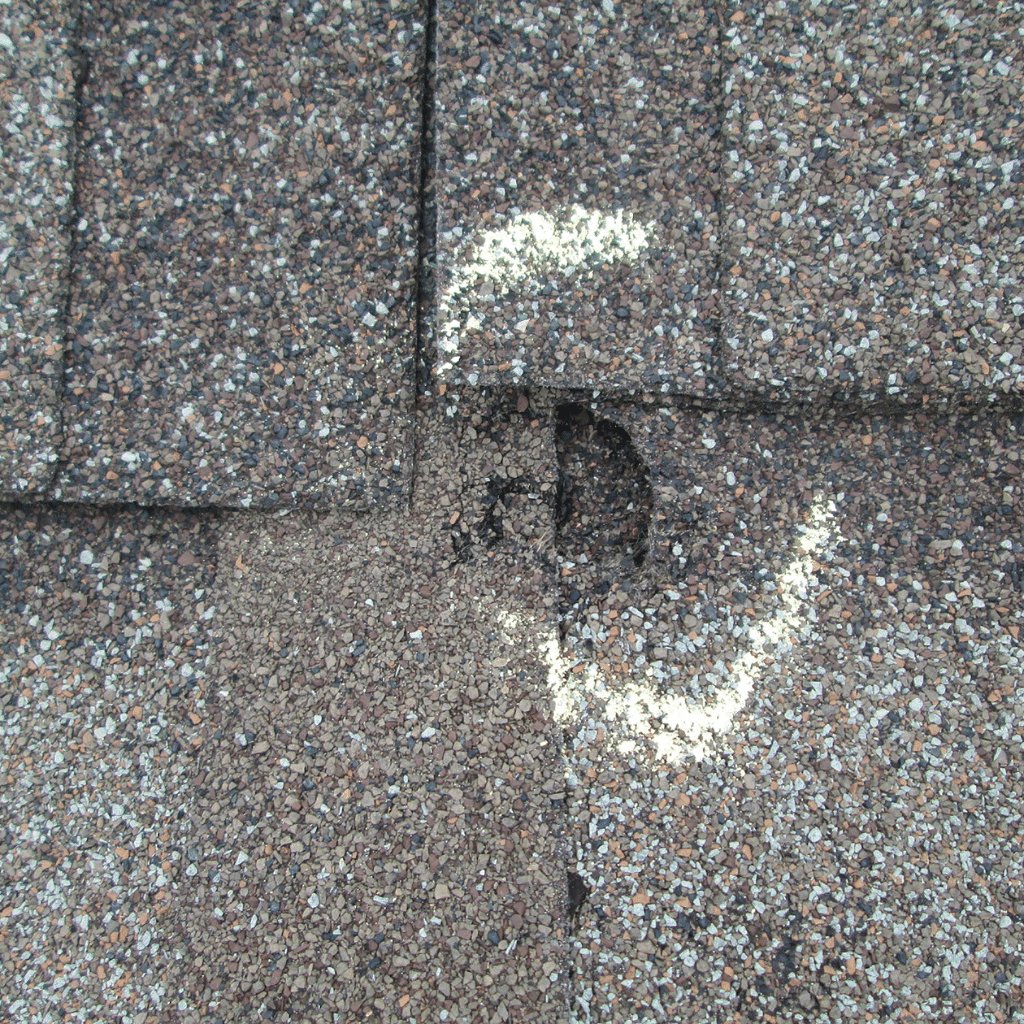
If a roofer handed you a quote showing two different shingle options and you are not sure what makes one better than the other, you are not alone. Class 3 and Class 4 shingles look almost the same from the street, but they perform very differently when a Branson hailstorm rolls through. This guide walks you through the impact test ratings, real-world storm performance, insurance savings, and exactly when each option makes sense for your home.
TLDR: Class 3 shingles handle golf ball-size hail and qualify for a 5-15% insurance discount. Class 4 shingles take a harder hit, survive more Branson storms with less damage, and typically earn 10-35% off your annual premium. For most homeowners planning to stay long-term, the stronger protection and lower insurance costs make Class 4 the smarter investment. Read on for the full breakdown.
You are comparing roofing quotes and both options say “impact-resistant” on the page. The price is a little different. Your insurance agent mentioned a discount but could not give you a specific number. You just want to know what you are actually getting for the difference.
Here in Branson and across Taney County, hailstorms are not rare. The area sees hail between 1 and 1.5 inches three to five times per year. Hail 2 inches or larger comes through every three to five years. That size matters a lot when it comes to which shingle class holds up and which one starts to crack.
In this guide, we break down the test that defines these ratings, how each class performs in Southwest Missouri storms, what insurance discounts look like in practice, and when Class 3 still makes sense as a budget choice.
What Is the Difference Between Class 3 and Class 4 Shingles?
Both ratings come from the UL 2218 impact test, the industry standard for hail resistance. A steel ball is dropped from a set height onto an installed shingle. The shingle is then flipped over. Any crack on the back side means it failed. No crack means it passed.
The gap between Class 3 and Class 4 comes down to ball size and drop height. Class 4 shingles absorb about 15% more impact energy than Class 3 shingles. That margin becomes very real when a storm drops 1.75-inch hail on your roof.
The table below shows exactly how the two ratings compare under the test.
| Rating | Ball Size | Drop Height | Hail It Handles |
|---|---|---|---|
| Class 3 | 1.75 inches | 17 feet | Golf ball size (about 1.5 inches) |
| Class 4 | 2.00 inches | 20 feet | Large hail (1.75 to 2+ inches) |
Class 3 is built to survive hail around the size of a golf ball. Class 4 handles hail that is noticeably larger. In Southwest Missouri, where spring storms regularly produce hail in that upper range, the difference is not just technical.
Pro tip: The Class 4 test uses a steel ball that hits with enough force to fracture concrete. Your shingle has to stay whole. That is how you know this rating means something in the real world.
How Class 3 vs Class 4 Shingles Perform in Branson Storms
Branson sits in Taney County, one of the more storm-active areas in Southwest Missouri. Historical data from the NWS Springfield office shows that the region sees hail in the 1 to 1.5-inch range multiple times each spring. Larger hail shows up every few years.
The table below translates those hail sizes into what each shingle class actually does under that impact.
| Hail Size | Class 3 Outcome | Class 4 Outcome |
|---|---|---|
| 1 to 1.25 inches | Minor surface bruising | No visible damage |
| 1.5 to 1.75 inches | Granule loss, possible cracks | Minor bruising only |
| 2 inches or more | Cracks, potential leaks | Survives with minimal damage |
Class 3 handles minor hail years without much trouble. The problem is that it begins to show cracking and granule loss once hail tops 1.75 inches. Over multiple storm seasons, that cumulative damage adds up. Class 4 is built to absorb most of what Branson throws at it and come through with little to no functional damage.
Illustrative scenario: A Branson homeowner with a 15-year-old Class 3 roof survived a 1.5-inch hail event with some bruising and granule loss but no leaks. The following year, 1.75-inch hail cracked several shingles and triggered an insurance repair claim. When they replaced the roof, they chose Class 4 Duration FLEX shingles. The next storm produced zero functional damage, and the insurance discount reduced their annual premium.
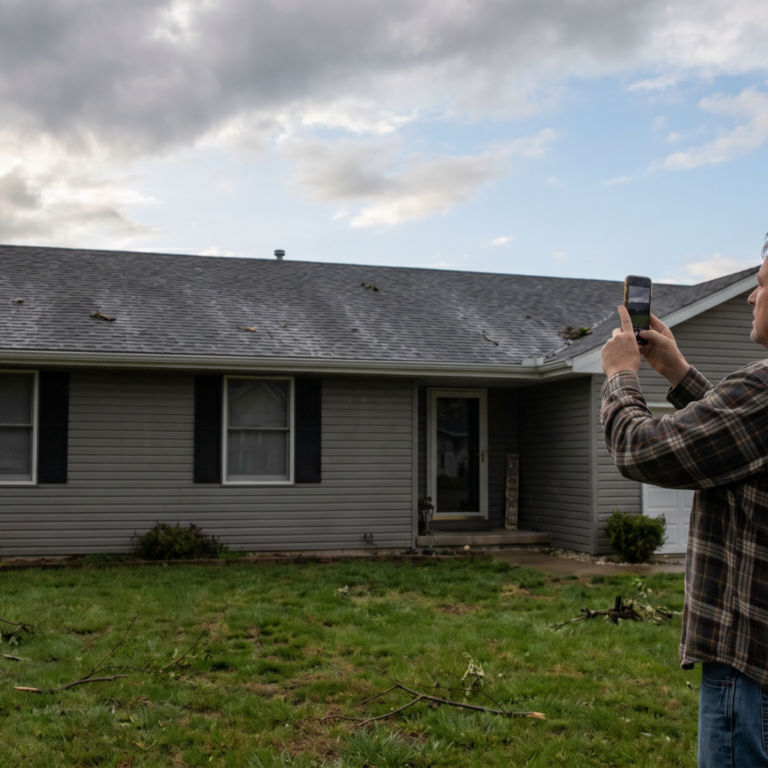
Pro tip: The south and west slopes of your roof take the hardest hits during Southwest Missouri spring storms. After any major hailstorm, start your inspection there first.
Insurance Discounts for Class 3 vs Class 4 in Branson
One of the biggest reasons homeowners ask about class 4 shingles insurance discounts is the savings on their premium. Many carriers in Missouri reward impact-resistant roofs because those homes file fewer claims.
Call your insurance agent before your replacement is scheduled. Ask specifically: “What discount would I qualify for with a full Class 4 roof system?” The table below shows what most Branson-area homeowners can expect.
| Rating | Typical Discount | Claims Reduction vs. Standard Shingles |
|---|---|---|
| Class 3 | 5-15% | Moderate |
| Class 4 | 10-35% (often 15-25% in Branson area) | 50-70% fewer hail claims |
Class 4 roofs file 50-70% fewer hail-related insurance claims than standard shingles. That track record is why many carriers in hail-prone areas like Branson and Springfield offer their largest discounts for Class 4. Some insurers also require that hip and ridge shingles carry the same impact rating as the field shingles to qualify. Ask your agent to confirm what your policy requires.
For help navigating the insurance claim process after storm damage, ProNail Exteriors walks you through every step.
Pro tip: Get your agent’s discount estimate in writing before you commit to a shingle class. That number matters when you are comparing the total cost of each option over time.
Engineering Differences: What Makes Class 4 Tougher?
Not all Class 4 shingles are built the same way. Owens Corning offers two main Class 4 products along with a Class 3 premium option, each using a different approach to reach its rating.
The table below compares the three products side by side.
| Feature | Duration Premium (Class 3) | Duration FLEX (Class 4) | Duration STORM (Class 4) |
|---|---|---|---|
| Impact Method | Standard asphalt | SBS rubber asphalt | Polymer mesh backing |
| Wind Rating | 110 MPH | 130 MPH | 130 MPH |
| Warranty | Limited Lifetime | Limited Lifetime | Limited Lifetime |
SBS stands for styrene-butadiene-styrene, a rubber-like polymer blended into the asphalt on Duration FLEX shingles. It makes the shingle more flexible, so it absorbs impact energy instead of cracking. Duration STORM uses a polymer mesh woven into the backing for added structural strength.
Both Class 4 options include SureNail Technology for stronger fastener hold and StreakGuard protection against algae staining. You can explore your full roofing options on our services page.
Pro tip: Duration FLEX holds up better in freeze-thaw conditions because the SBS asphalt stays flexible in cold weather. Duration STORM is the stronger choice if pure hail resistance is your top priority. Your ProNail Exteriors inspector can help you decide which fits your situation.
Class 3 vs Class 4 Decision Guide for Branson Homeowners
This decision comes down to a few key factors: how long you plan to stay, your budget, and how much storm protection matters to you.
Use the table below as a starting point.
| Situation | Class 3 | Class 4 |
|---|---|---|
| Rental property | Good fit | Situational |
| Staying 5+ years | Situational | Best choice |
| Tight upfront budget | Good fit | Consider long-term savings |
| Hail-prone area, strong protection priority | No | Yes |
| Want maximum insurance discount | No | Yes |
For most Branson homeowners who plan to stay long-term, Class 4 is the stronger investment. The insurance savings alone can offset a meaningful portion of the cost difference, before you even count fewer repair calls after storms.
For those managing rental properties or working with a tighter cash budget, Class 3 is still a solid upgrade over basic 3-tab shingles. It provides real storm protection for most years. It just falls short when hail crosses the 1.75-inch mark.
When you are ready to plan your project, our roof replacement page covers everything you need to know before work begins.
Pro tip: Factor your insurance agent’s estimated discount into the overall comparison. A 15-25% annual premium reduction adds up quickly over a 10-year period.
When Class 3 Shingles Still Make Sense
Class 3 is not a poor product. It is a real step up from basic shingles and still handles the majority of hail seasons without needing repairs.
For landlords managing multiple rental units, Class 3 offers meaningful impact protection at a lower upfront cost. For homeowners who plan to sell within a few years, Class 3 still qualifies for some insurance discount and provides reliable coverage. A well-installed Class 3 shingle with quality underlayment (the protective layer under your shingles that helps keep water out) and good attic ventilation is a solid roof. It is just not the best long-term choice for the Branson climate.
Storm Facts Every Branson Homeowner Should Know
Missouri has recorded 120 billion-dollar weather and climate disasters between 1980 and 2024, according to NOAA’s state summary data. The state averages 56 tornadoes per year, and Southwest Missouri sees the highest tornado frequency in the state. Severe storms with hail and high winds are a regular part of life across Taney, Greene, and Christian counties.
| Metric | Value | Source |
|---|---|---|
| Billion-dollar disasters in Missouri | 120 (1980-2024) | NOAA |
| Severe storms with hail or wind | 82 | NOAA |
| Average tornadoes per year statewide | 56 | NWS |
This storm environment is exactly why Class 4 shingles are the primary recommendation from ProNail Exteriors for most Southwest Missouri homeowners. A roof built to handle repeated hail impact is not a luxury upgrade here. It is simply the right fit for the climate.
Roofing permits in Branson are handled through the city building department. Requirements may vary for properties in unincorporated parts of Taney County. ProNail Exteriors handles the permit process as part of every project so you do not have to sort it out on your own. Missouri does not have a statewide general contractor license, so look for a contractor who is insured, experienced, and runs in-house crews when making your choice.
Frequently Asked Questions About Class 3 vs Class 4 Shingles
For more answers to common roofing questions, visit our frequently asked questions page.
Q: What is the main difference between Class 3 and Class 4 shingles?
A: The difference is in the UL 2218 impact test. Class 3 uses a 1.75-inch steel ball dropped from 17 feet. Class 4 uses a 2-inch ball dropped from 20 feet, making it about 15% tougher. Class 4 survives bigger hail without cracking, which matters a lot in Branson’s storm climate. For most homeowners planning to stay in their home, Class 4 is the better long-term choice.
Q: Does Class 4 really handle bigger hail than Class 3?
A: Yes, and by a meaningful margin. Class 3 is designed to hold up against hail around 1.5 inches. Class 4 handles hail in the 1.75 to 2-inch range and above. Branson sees hail that large every three to five years, which is not a rare event. It is a regular part of living in this part of Missouri.
Q: How much of an insurance discount can I get for Class 4 shingles in Branson?
A: Discounts vary by carrier, but Class 4 typically earns homeowners 10-35% off their premium, with many Branson and Springfield policies landing in the 15-25% range. Class 3 discounts are smaller, usually 5-15%. Call your agent before you commit to a shingle class and ask what a full Class 4 roof system would qualify you for.
Q: Can I mix Class 3 field shingles with Class 4 ridge and hip shingles?
A: Some homeowners try this to reduce upfront cost, but many insurers require the entire roof system to carry the Class 4 rating before applying the full discount. If the insurance savings matter to your decision, use Class 4 throughout. Confirm the exact requirement with your agent before ordering materials.
Q: Is Duration FLEX or Duration STORM better for Branson storms?
A: Both are strong Class 4 options. Duration FLEX uses SBS rubberized asphalt, which stays flexible in cold weather and absorbs impact well across all seasons. Duration STORM uses a polymer mesh backing for strong structural resistance. For Branson’s mix of hail and freeze-thaw weather, Duration FLEX tends to be the more well-rounded choice. Your ProNail Exteriors inspector can help you evaluate both options for your specific home.
Q: Do all insurance companies offer the same Class 4 discount?
A: No. Discount amounts vary by carrier, policy type, and your coverage history. Some insurers offer significantly larger discounts in hail-prone regions like Taney County. This is exactly why you should contact your agent before choosing a shingle class, not after the roof is already scheduled.
Q: How does SBS asphalt make a Class 4 shingle tougher than standard asphalt?
A: SBS is a rubber-like polymer blended into the asphalt. It makes the shingle flexible enough to absorb a hard impact instead of cracking under it. Standard asphalt is more rigid and more likely to fracture when hail is large. Think of it like the difference between a rubber floor mat and a ceramic tile when something heavy falls on them.
Q: When should I choose Class 3 shingles over Class 4?
A: Class 3 makes the most sense when upfront cost is the main constraint. If you own a rental property, plan to sell your home in the near future, or are working with a tight budget, Class 3 still provides real impact protection and qualifies for some insurance discount. For long-term Branson homeowners who want fewer repairs and stronger storm protection, Class 4 is the better fit.
Q: Does a roofing project in Branson require a permit when upgrading shingles?
A: Yes. Most re-roofing projects in Branson require a permit through the city building department. Requirements can differ for properties in unincorporated Taney County. ProNail Exteriors handles permits as part of every project so you do not have to figure out the process on your own. Check with your local building department if you have questions specific to your address.
Q: How do I find out if my current shingles are Class 3 or Class 4?
A: Check any paperwork from when your roof was last installed. If that is not available, look up the shingle brand and product name on your home inspection report. Your insurance company may also have the rating on file from when your last discount was applied. A trained roofer can help identify the product during a free inspection.
Key Takeaways
Impact Ratings
- Class 3 survives a 1.75-inch steel ball dropped from 17 feet. Class 4 handles a 2-inch ball from 20 feet.
- Class 4 absorbs about 15% more impact energy than Class 3.
- Both use the UL 2218 test, which requires no cracking on the back of the shingle after impact.
Storm Performance in Branson
- The Branson area sees 1 to 1.5-inch hail three to five times per year and larger hail every three to five years.
- Class 3 holds up in mild hail years but shows cracks and granule loss at 1.75 inches and above.
- Class 4 survives most Branson storms with little to no functional damage.
Insurance Savings
- Class 3 typically earns a 5-15% premium discount.
- Class 4 often qualifies for 10-35% off, with many Branson policies landing in the 15-25% range.
- Class 4 roofs file 50-70% fewer hail claims than standard shingles.
Product Differences
- Duration FLEX uses SBS rubber asphalt for flexibility and impact resistance.
- Duration STORM uses a polymer mesh backing for structural impact strength.
- Both carry 130 MPH wind ratings and Limited Lifetime warranties.
Choosing the Right Class
- Class 4 is the best fit for long-term Branson homeowners who want strong storm protection and maximum insurance savings.
- Class 3 works well for rentals, short-term ownership, and tighter budgets where the goal is a meaningful upgrade over basic shingles.
Ready to See Which Shingle Class Is Right for Your Home?
You now have a clear picture of what these ratings actually mean, how they perform in Southwest Missouri storms, and what the insurance savings look like in real numbers.
ProNail Exteriors serves Branson, Ozark, and Springfield homeowners with honest guidance and in-house crews on every project. The company was built around one principle: give people straight answers and treat every home like it is your own.
Here is what you get when you work with us:
- A free roof inspection and honest assessment of your current shingles
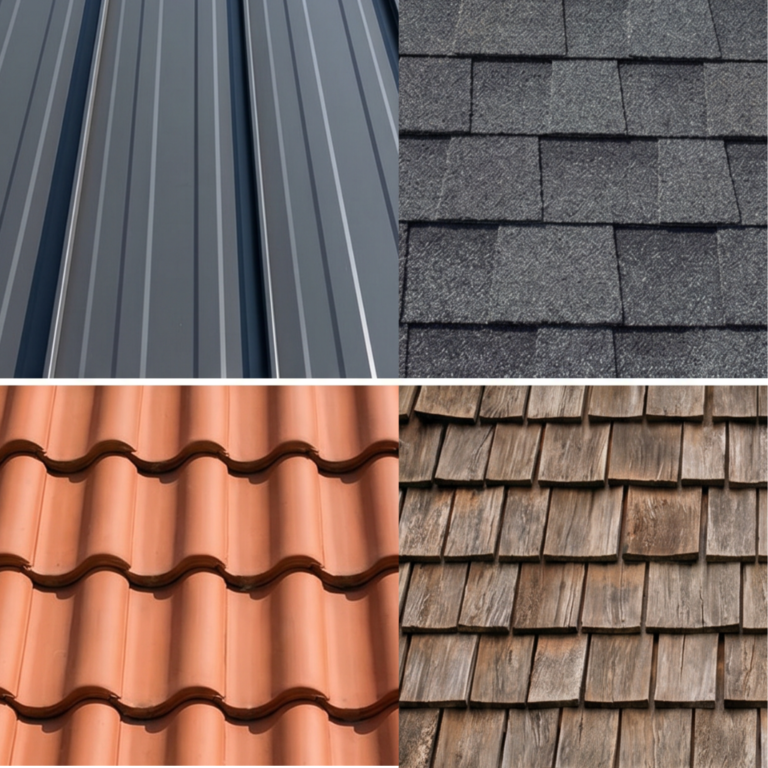
- Clear explanation of your Class 3 vs Class 4 vs standing seam metal options
- Help navigating the insurance process and documenting storm damage
- In-house crews that show up clean, professional, and respectful of your property
- A 6-star experience at a fair price, with no pressure and no scare tactics
Not sure where to start? We will walk you through it.
Contact us or call 844-321-6245 to schedule your free inspection today.
We serve Branson, Ozark, Springfield, and all of Southwest Missouri.
ProNail Exteriors | Roofing, Siding, Windows, Gutters, Decks, and More | Serving Southwest Missouri Since 2025