Your roof takes a beating from Southwest Missouri storms, and knowing when it needs replacing can save you from leaks, rot, and wasted money on patches that will not hold. This guide covers seven warning signs that point toward full replacement, how local storm patterns speed up roof aging, and a simple repair vs. replace checklist.
TLDR: Curling shingles, heavy granule loss, missing shingles, sagging lines, repeated leaks, moss growth, and old age are the top signs you need a new roof. Spot three or more on your Springfield area home and it is time for a professional inspection, not another patch job. Read on for a clear decision framework.
Storm season starts soon, and your roof has already taken years of punishment. Maybe you see gritty sand piling up in the gutters. Maybe a ceiling stain keeps reappearing. Or maybe your neighbors are getting new roofs and you are wondering about yours.
Most homeowners do not replace a roof very often, so the warning signs are easy to miss. This guide gives you seven clear roof replacement signs, explains why they show up faster here in Southwest Missouri, and helps you decide when to replace your roof versus when a repair will do.
Why Roofs Fail Faster in Southwest Missouri
According to NWS Springfield severe weather climatology, the Springfield NWS coverage area averages roughly 10 tornadoes per year. The forecast area also sees frequent hail and high wind events throughout the year, with peak activity concentrated in afternoon and evening hours.
Peak severe weather season runs April through June, but storms can happen any month. Springfield, Ozark, and Nixa all sit in this severe weather corridor. The frequency and intensity of hail and wind events here shorten roof life compared to milder climates.
Tip: Check gutters for shingle granules after every major storm. A handful is normal. Piles at every downspout are a red flag.
Sign #1: Curling, Cupping, or Cracked Shingles
Healthy shingles lay flat. When edges lift (curling), middles sink (cupping), or surfaces crack, the material has dried out or aged past its flexibility. Water sneaks under lifted edges and reaches the wood decking (the plywood surface under your shingles).
A few curled shingles in one spot might be a simple roof repair. Curling across multiple areas means the entire shingle layer is failing. Southwest Missouri’s UV, freeze-thaw cycles, and hail speed this up dramatically.
Tip: Use binoculars from the ground. Never climb a ladder without proper safety equipment.
Sign #2: Heavy Granule Loss
Granules are the sand-like coating on asphalt shingles that blocks UV and sheds water. When they fall off in large amounts, shiny bald spots appear on the shingle surface.
| Situation | Normal? | Action |
|---|---|---|
| New roof, first few rains | Yes | No action needed |
| Heavy granules after every storm | No | Schedule inspection |
| Bald spots on south-facing slope | No | Replacement likely |
Hail knocks granules off faster here than in milder climates. Different hail sizes do different levels of damage, and our hail size chart breaks down what to look for after each storm. If your roof is past 15 years old and you find heavy granule buildup after every rain, the protective layer is almost gone.
Tip: After the next rain, check your gutters. A small handful of grit is fine. Scooping out cups of material means your roof is losing its protection fast.
Sign #3: Missing, Loose, or Lifted Shingles
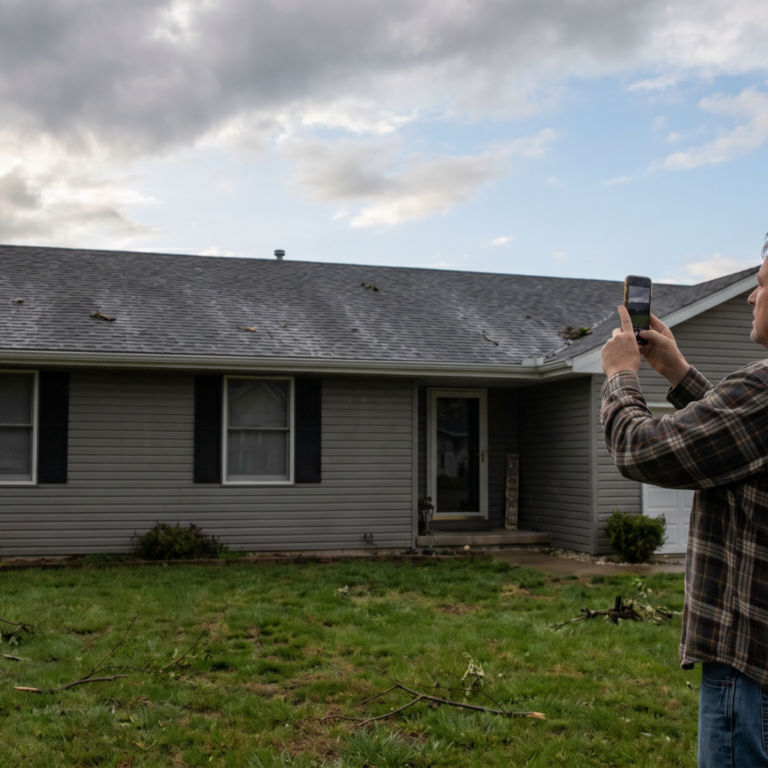
Wind lifts shingles, breaks sealant strips, and sometimes rips them off entirely. Missing or lifted shingles are key indicators of storm damage. One or two missing shingles is a repair. Missing shingles across multiple slopes point toward full roof replacement.
The Springfield NWS forecast area sees frequent high wind events. Wind tests your shingles even in storms without tornadoes.
Pro tip: Watch your roof on a windy day. Flapping shingles mean broken sealant. Call for an inspection before the next storm.
Sign #4: Sagging Roof Lines or Soft Spots
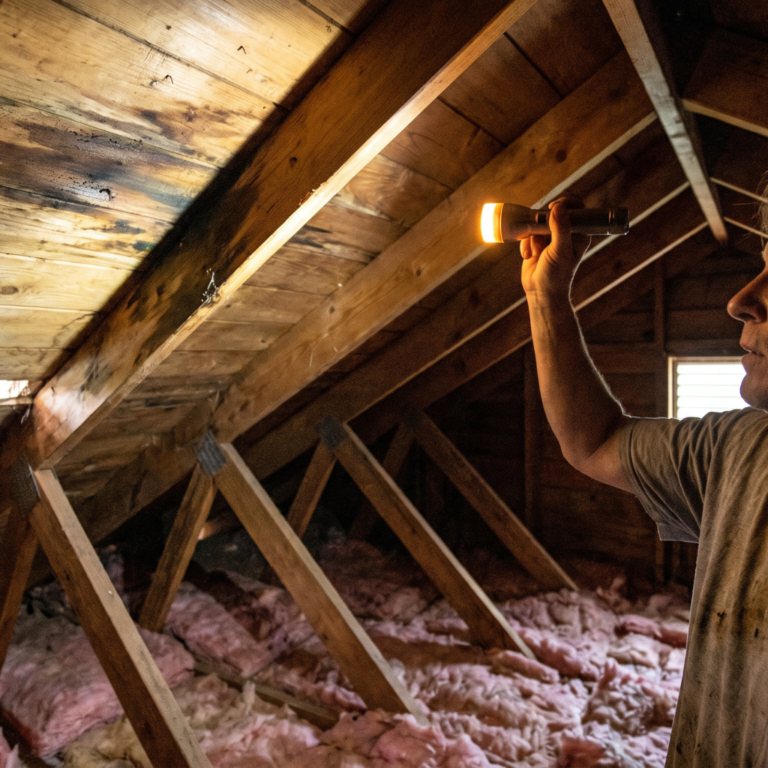
A dip or wave along your roofline means the wood decking underneath has been weakened by water damage or rot. Check your attic for soft wood, mold, wet insulation, or daylight showing through.
| Symptom | Repair? | Replace? |
|---|---|---|
| Minor dip, newer roof | Maybe | No |
| Large sag, older roof | No | Yes |
| Soft attic decking | No | Yes |
Freeze-thaw cycles in Republic, Willard, and Strafford worsen deck rot every winter. Poor attic ventilation makes it worse, so watch for the 7 signs of poor ventilation alongside any sagging concerns.
Important: Never step on soft attic wood. Call a professional for a safe inspection.
Sign #5: Repeated Leaks and Ceiling Stains
One leak from a specific spot, like damaged flashing (metal pieces that seal roof edges and openings), is usually fixable. Leaks that keep coming back or appear in different rooms mean the roofing system is failing. Look for brown ceiling stains, bubbling paint, and musty smells.
Tip: Mark leak spots on your ceiling with a marker and the date. This helps your contractor and supports insurance claim documentation.
Sign #6: Moss, Algae, or Mold Growth
Thick moss traps moisture against shingle surfaces, speeding up rot and material breakdown. Humid springs and shaded roofs in Marshfield, Branson, and Bolivar make this common. Light algae on a newer roof is cosmetic. Thick moss, combined with other signs on this list, suggests damage has been accumulating.
Tip: Trim tree branches that hang over or shade your roof. Better airflow and sunlight slow moss growth.
Sign #7: Age Plus Neighborhood Roofs
Asphalt shingles typically last 15 to 20 years in Southwest Missouri. Age alone is not an emergency, but age plus multiple warning signs is. If neighbors with similar-age homes are being replaced, yours took the same storm beating.
| Roof Age | Few Signs | Many Signs | Action |
|---|---|---|---|
| Under 10 years | Normal | Serious | Inspect now |
| 10 to 15 years | Watch | Likely replace | Get estimate |
| 15 to 20 years | Consider | Replace | Plan soon |
| Over 20 years | Replace | Replace | Act urgently |
Pro tip: Ask neighbors when they replaced. Matching roof ages plus matching storm history tells you a lot.
Illustrative scenario: A Springfield homeowner noticed heavy shingle granules in the gutters after every rain and saw curling edges across the south-facing slope. A ceiling stain in the master bedroom kept returning after heavy storms. The roof was 17 years old. A professional inspection revealed widespread granule loss and broken sealant strips on multiple slopes. Rather than patching individual spots, the inspector walked the homeowner through the Class 3 vs. Class 4 shingles decision and recommended a full replacement with Class 4 impact-resistant shingles, designed to handle hail and flying debris better than standard shingles.
Repair vs. Replace Decision Checklist
| Issue | Repair Possible | Full Replace Likely |
|---|---|---|
| One or two leaks | Yes | No |
| Multiple leaks | No | Yes |
| Few bald shingles | Yes | No |
| Widespread granule loss | No | Yes |
| Minor sag, newer roof | Maybe | No |
| Soft deck or rot | No | Yes |
In Springfield, the City classifies standard roof repair, replacement, and recover as repair and maintenance, so a permit is not required for a typical reroof. A permit is only triggered if a structural element is altered or replaced, or if more than 32 contiguous square feet of deck sheathing is replaced. This is laid out in the City of Springfield Roofing and Re-roofing Bulletin. Permit rules in Ozark, Nixa, and unincorporated Christian County are set by those jurisdictions, so confirm with the relevant local building department before work begins. Missouri does not have a statewide general contractor license, so look for insured, experienced, local contractors.
For a deeper walkthrough of the decision, see our guide on roof repair vs. roof replacement.
Pro tip: Get two to three estimates from insured local companies. Compare materials, crew details, and warranty terms. Ask if they use in-house crews or subcontractors.
Frequently Asked Questions
Q: What does heavy granule loss in my gutters mean? A: It means the protective coating on your shingles is wearing away. When large amounts collect after every rain, your shingles can not block UV or shed water effectively. On a roof over 15 years old, this usually points toward replacement.
Q: Can curling shingles be repaired? A: A few curled shingles in one small area can sometimes be sealed down. Widespread curling means the material has aged past its useful life and replacement is the better choice.
Q: How do I know if my roof deck is sagging? A: Stand at the curb and look at your roofline. It should appear straight and even. Dips or waves mean the wood underneath has been weakened. From your attic, press gently on the underside. Soft spots need professional attention.
Q: Is one leak a big deal? A: One leak from a specific spot is usually a repair. Leaks that keep returning or show up in multiple rooms mean the system is failing.
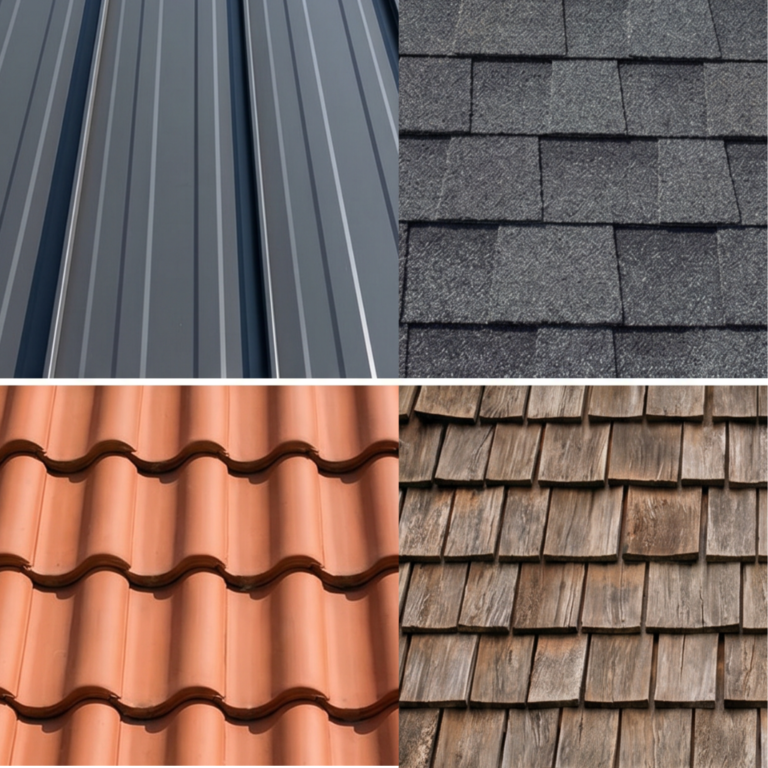
Q: How long should a shingle roof last in Springfield? A: Standard asphalt shingles typically last 15 to 20 years here. Hail, wind, UV, and freeze-thaw cycles shorten life compared to milder climates. Standing seam metal lasts much longer if you are weighing alternatives.
Q: Can moss damage my roof? A: Yes. Thick moss traps moisture, breaks down shingle material, and causes rot in the decking below.
Q: Do I need to replace my whole roof if only one side is damaged? A: If your roof is newer and damage is limited to one slope, partial replacement can work. If other slopes also show wear, full replacement makes more sense long-term.
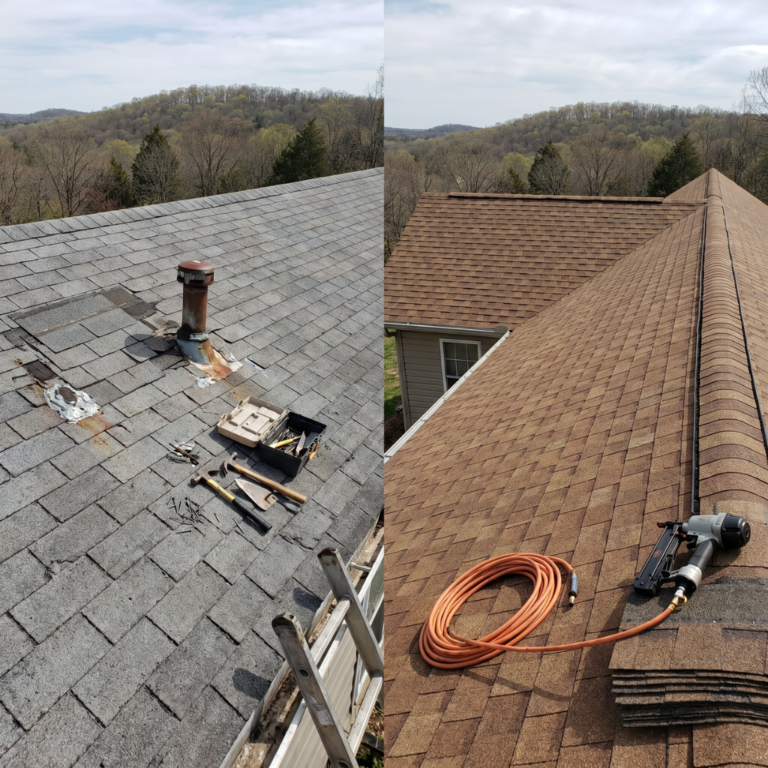
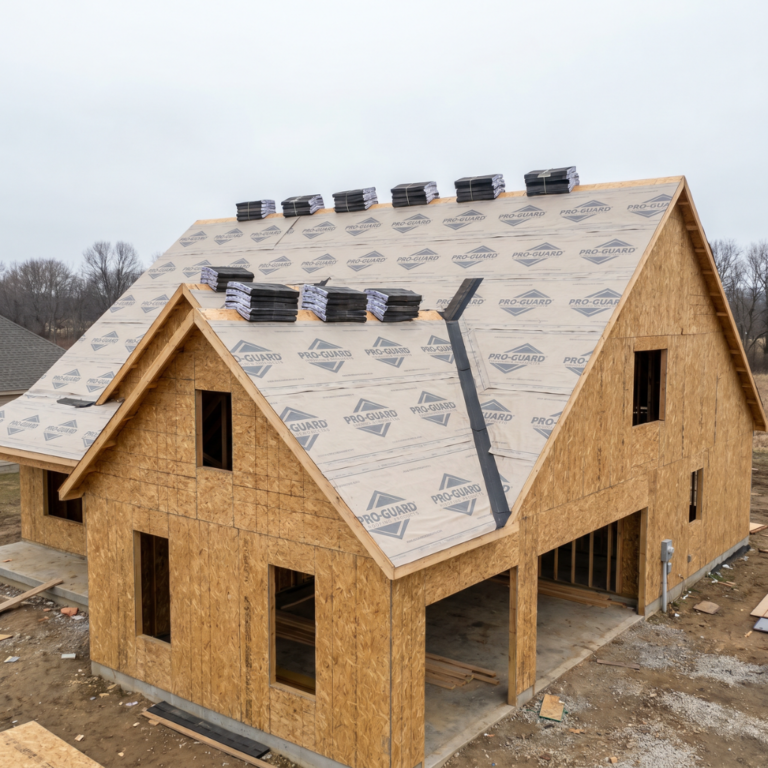
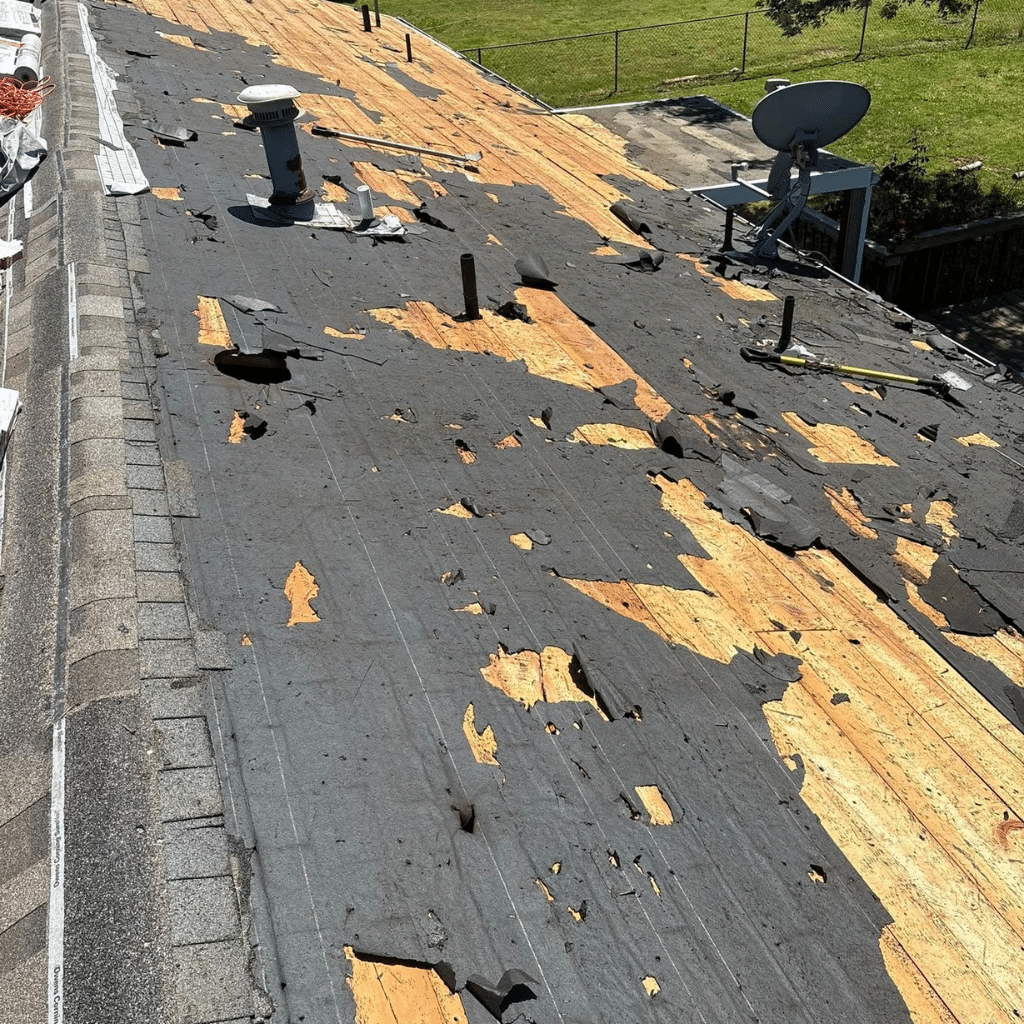
Q: What is the difference between repair and replacement? A: Repair fixes a specific area. Replacement removes the entire old system and installs everything new, from underlayment to shingles, flashing, and ventilation.
Q: How often should I inspect my roof in Ozark or Nixa? A: Twice a year minimum, once in spring and once in fall. Also, inspect after every major storm. Schedule a professional inspection annually if your roof is over 10 years old.
Q: Do Springfield and Ozark require permits for roof replacement? A: A standard tear-off and reroof in Springfield does not require a permit because the City classifies it as repair and maintenance. A permit is only triggered if a structural element is altered or replaced, or if more than 32 contiguous square feet of deck sheathing is replaced. Ozark sets its own permit rules, so confirm with the City of Ozark Building Department before work begins. A reputable contractor handles any required permits.
Key Takeaways
Warning Signs
- Curling, cracking, or cupping shingles means the material has aged past flexibility
- Heavy granule loss signals that the protective coating is gone
- Missing or lifted shingles point to failed sealant and storm damage
- Sagging lines or soft decking are serious structural red flags
Southwest Missouri Factors
- The Springfield NWS coverage area averages roughly 10 tornadoes per year
- Peak storm season is April through June, but storms can happen any month
- The frequency and intensity of hail and wind events here shorten roof life below national averages
Making the Decision
- Isolated damage on a younger roof usually means repair
- Widespread damage plus age mean you need a new roof
- In Springfield, permit triggers are tied to structural framing changes and decking thresholds, not damage percentage
- Get two to three estimates from insured, local contractors who use in-house crews
Get Your Roof Inspected Before Storm Season
You now know the seven biggest signs your roof needs to be replaced and how Southwest Missouri weather speeds up every one of them. The next step is a professional inspection from a local team that knows this area.
ProNail Exteriors brings over a decade of roofing experience and multiple in-house crews to every project in Southwest Missouri.
- Free roof inspection and honest assessment
- No-pressure explanation of your options
- In-house crews, clean-cut and professional on every job
- Help with insurance claims and damage documentation
- A 6-star experience at a fair price
Call 844-321-6245 for a no-pressure inspection.
We serve Springfield, Ozark, Nixa, Branson, Rolla, and all of Southwest Missouri.
ProNail Exteriors | Roofing, Siding, Windows, Gutters, Decks, and More | Serving Southwest Missouri Since 2025