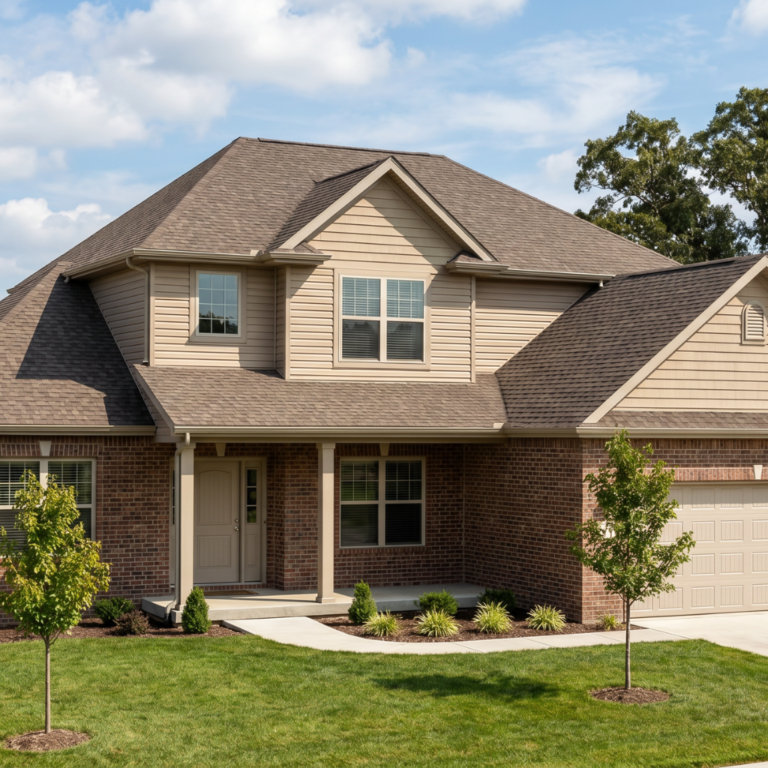
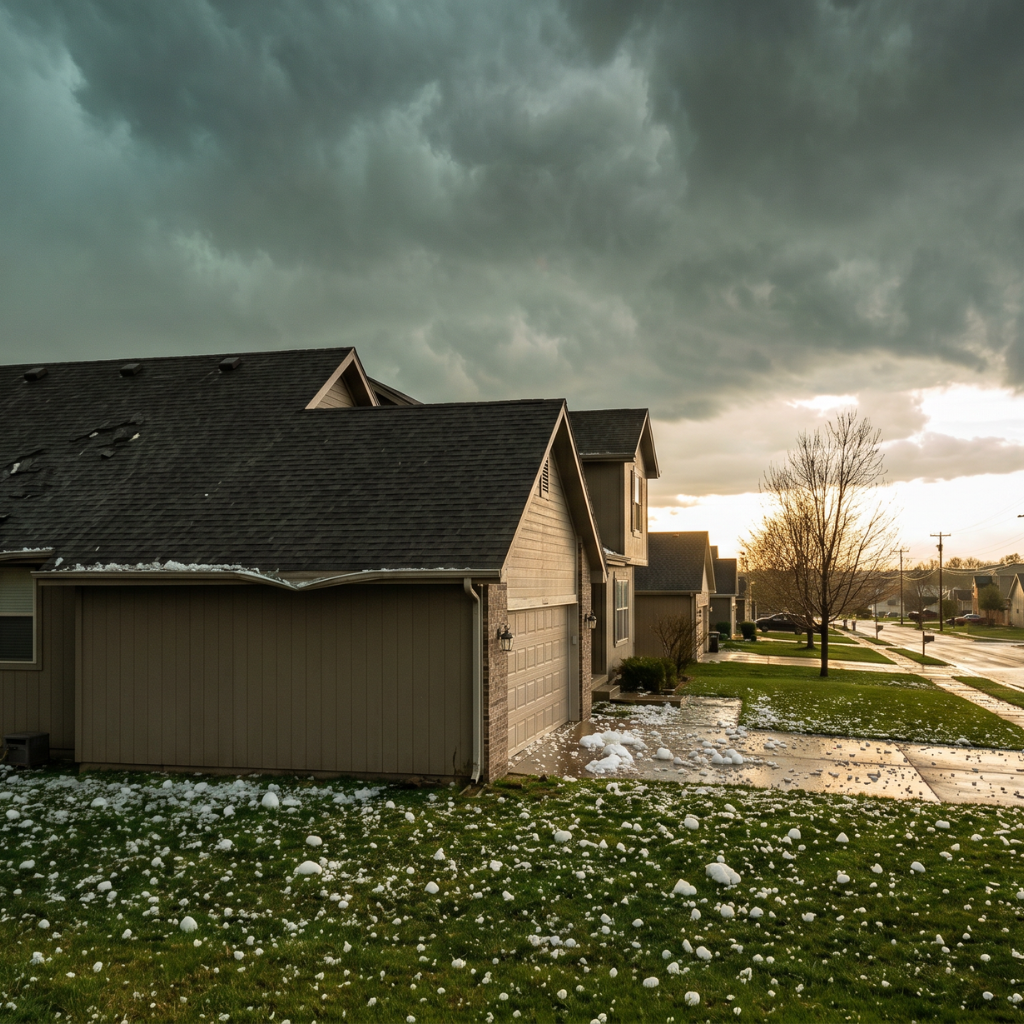
Springfield sits in one of the most hail-active corridors in the country, and the April 28, 2026 storm proved it again. Knowing what your roof can actually handle, and what insurance discounts you may qualify for, can change how you protect your home for decades. This guide covers the local hail record, what Class 4 shingles really mean, and how to decide if an upgrade fits your home.
TLDR: Springfield gets hit by severe hail almost every spring, and the April 28, 2026 storm set the local record. Class 4 impact-resistant shingles are the toughest asphalt shingles you can buy, and many insurers offer real discounts for installing them. Read on to see the local hail data, how the ratings work, and what the upgrade looks like in plain language.
You heard it on April 28, 2026. Big stones hammering the roof, ice on the lawn, dented gutters by the time the storm cleared. If you live in Springfield or anywhere in Greene County, that day is hard to forget. Insurance phones rang for weeks. Roofers, both good and bad, showed up on porches across town.
But here is what most homeowners do not know. That storm was not a freak event. Springfield has decades of hail history on the books. The size has changed. The pattern has not.
This guide walks through what the local record really shows. It covers what your shingles can and cannot handle. And it explains what Class 4 impact-resistant shingles actually do differently. By the end, you will know how to think about a roof upgrade with clear eyes, not sales pressure.
Springfield’s Hail History at a Glance
Hail in Southwest Missouri is not rare. It is yearly. Sometimes it is monthly.
The National Weather Service forecast office in Springfield has tracked severe weather across 37 counties for decades. Their severe weather climatology study found that April and May are the two most active hail months in the region. April and May together produce the most giant hail, meaning stones 2 inches and larger. Some years bring stones 4 inches or bigger.
The 1996 NWS climatology study documented the largest hailstone in the Springfield forecast area at that time. It was 5.25 inches across, falling in Lawrence County in April 1994. A larger 6 inch stone has since been recorded elsewhere in Missouri, so the state record now sits above the Springfield area’s documented high. For comparison, the NWS uses a baseball size, about 2.75 inches, as its hail size reference.
Then came April 28, 2026. Stones up to 4.75 inches were reported in the greater Springfield area, with 4 inch reports across Greene County. Emergency managers called it the most destructive hailstorm in Springfield’s history. At Springfield-Branson National Airport, hail damaged about 95% of the roughly 1,500 cars parked in the lot. One in four cars had a broken windshield, sunroof, or rear glass.
That kind of storm gets the headlines. But smaller storms do the steady damage. Hail in the 1 to 1.5 inch range hits the Springfield region 3 to 5 times a year. Golf ball size hail, about 1.75 inches, rolls through every 3 to 5 years.
| Date or Year | Hail Size | Area Affected | Notes |
|---|---|---|---|
| April 26, 1994 | 5.25 inches | Lawrence County | Largest on record in the Springfield CWA |
| April 15, 2023 | 1.5 inches | Springfield (Greene Co.) | Multiple ground reports |
| May 26, 2024 | 1.25 inches | Brookline Station, Greene Co. | Several spotter reports |
| April 28, 2026 | Up to 4.75 inches | Springfield, Greene Co. | Most destructive in Springfield history |
| Each year | 1.0 to 1.5 inches | Region-wide | Happens 3 to 5 times per year |
The takeaway is simple. Springfield is a hail town, and the trend is not getting calmer. The big years just stack on top of a busy baseline.
Tip: After any significant storm, check the National Weather Service Springfield event summary page for your zip code. The hail size on the official report often helps your insurance claim move faster.
What Standard Shingles Can and Cannot Handle
Most homes in Southwest Missouri have basic asphalt shingles. These shingles do their job, but they were not built for this region’s hail.
A standard three-tab or basic architectural shingle carries no impact rating at all under the UL 2218 standard. That standard is the test used to rate how shingles handle hail. We will cover the test in the next section.
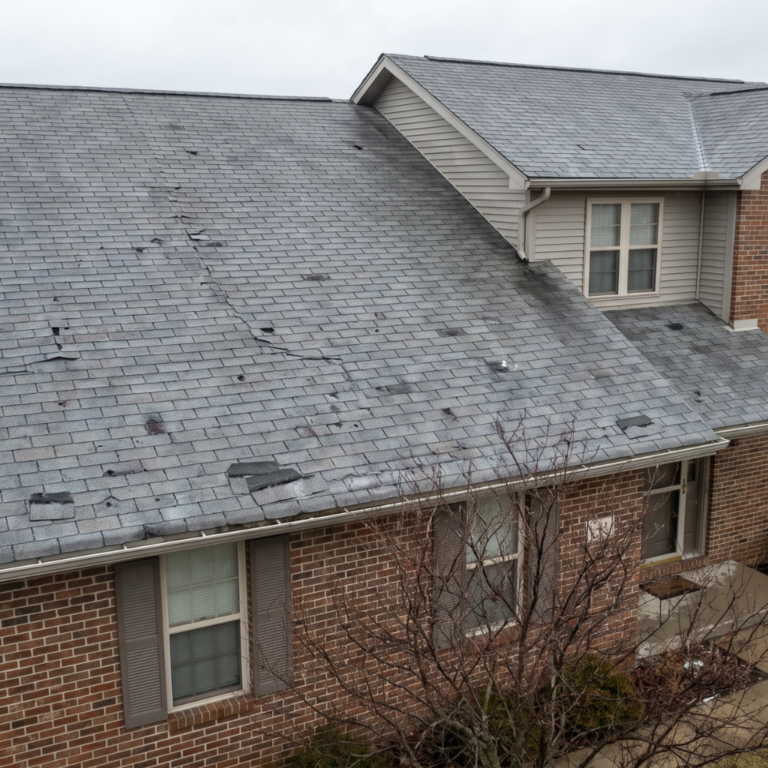
Hail as small as 1 inch can bruise a standard shingle. The bruise looks like a small dark spot where the granules got knocked off. Once those protective granules are gone, the asphalt below dries out and cracks faster.
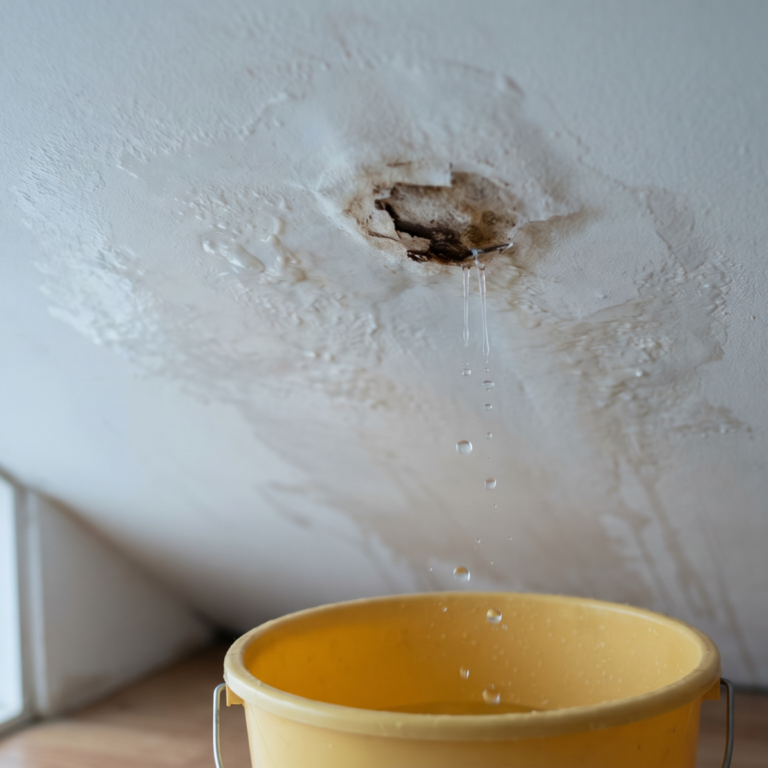
You may not see this damage from the ground. Many homeowners walk away from a storm thinking their roof is fine, only to find leaks 6 to 18 months later.
Wind and hail make up about 41% of all home insurance claims across the country. In Missouri, the number runs higher in storm years. Severe storm losses across the country reached record levels in 2024, with hail and wind events leading the way. Federal hail research from NOAA confirms that giant hail events have grown more common east of the Rockies, including across Missouri and the Plains.
| Hail Size | Standard Shingles | Class 3 Shingles | Class 4 Shingles |
|---|---|---|---|
| 0.25 to 0.75 in. (pea or dime) | Minor granule loss | Minimal | Minimal |
| 1.0 in. (quarter, severe limit) | Granule loss, bruising | Minor impact | Minimal impact |
| 1.25 in. (half dollar) | Heavy granule loss, cracks possible | Minor to moderate | Minimal to minor |
| 1.75 in. (golf ball) | Cracks, splits, functional damage | Minor (rated limit) | Minimal to minor |
| 2.75 in. (baseball) | Severe damage, often full replacement | Significant damage | Moderate, may need inspection |
| 4.0+ in. (softball) | Total loss likely | Significant damage | Functional damage possible, reduces severity |
The honest read on this table is that no shingle is hailproof in a 4 inch storm. But Class 4 dramatically cuts the damage for the 1 to 2 inch hail that hits the region every year. That is where the real value sits.
Pro tip: If your roof is older than 15 years, schedule a free inspection before the next storm season. This matters most for homes in Springfield, Ozark, or Nixa. Granule loss may already be working against you, and a fresh inspection gives you the photo record you need if a claim comes later.
How Impact-Resistant Shingles Are Rated
The rating system that matters here is called UL 2218. Underwriters Laboratories built the standard in 1996 to give shingles a clear impact rating. The test is simple. The pass criteria is strict.
What the Test Actually Measures
Lab techs drop steel balls of different sizes from set heights onto installed shingles. They hit the same spot twice. Then they flip the shingle over and check the back. No crack means pass. Any crack means fail.
That is it. No marketing language, no fuzzy ratings. The shingle either survives the steel ball test or it does not.
Why the Class Matters in a Hail Zone
The four classes use bigger steel balls as they climb. Class 4 is the top. It uses a 2 inch steel ball dropped from 20 feet. That force is meant to simulate hail at the size and speed that does real roof damage.
The test does not measure how the shingle ages, how it handles UV, or how it performs in cold weather. Those are separate factors. UL 2218 is a snapshot of impact strength.
| Class | Steel Ball Size | Drop Height | Hail Simulated | Pass Standard |
|---|---|---|---|---|
| Class 1 | 1.25 in. | 20 feet | Marble size | No crack on back |
| Class 2 | 1.50 in. | 20 feet | Small to medium | No crack on back |
| Class 3 | 1.75 in. | 20 feet | Golf ball size | No crack on back |
| Class 4 | 2.00 in. | 20 feet | Large hail | No crack on back. Highest rating. |
The hail size the region sees most often falls between 1 and 2 inches. That zone is right where Class 4 holds up and standard shingles fail.
Tip: Ask any roofer to put the Class 4 rating in writing on your contract. Not every shingle marketed as impact resistant carries the full UL 2218 Class 4 certification.
Class 4 vs Class 3 vs Standard Shingles
The three options on the asphalt menu look almost identical from the curb. They perform very differently in a hail event.
Class 3 shingles use polymer-modified asphalt or a reinforcing mesh on the back of the shingle. They handle hail up to about 1.75 inches under the test. Class 3 typically earns a smaller insurance discount, often in the 5% to 15% range, depending on the carrier.
Class 4 shingles step up the construction. Most use SBS modified asphalt, which is a rubber-style polymer mixed into the asphalt. The shingle flexes on impact instead of cracking. Modern Class 4 systems are rated for 35 to 50 years of service. Standard shingles often last only 15 to 25 years in this climate.
Want a more focused look at how the two upgrade levels compare for a typical Branson homeowner? Read the Class 3 vs Class 4 shingles guide for Branson.
| Factor | Standard Shingles | Class 3 Shingles | Class 4 Shingles |
|---|---|---|---|
| UL 2218 Rating | None | Class 3 (1.75 in. ball) | Class 4 (2 in. ball) |
| Hail Protection | Basic | Moderate | Highest in asphalt |
| Typical Lifespan | 15 to 25 years | 20 to 30 years | 35 to 50 years |
| Insurance Discount Potential | None | 5% to 15% | 10% to 35% |
| Best Fit | Short-term ownership | Budget upgrades, rentals | Long-term homeowners |
| Look From Street | Standard | Same as standard | Same as standard |
Class 4 makes the most sense for homeowners who plan to stay in their home a long time. Class 3 fits rental properties or tighter budgets. Standard shingles, in a hail-active corridor like Greene County, often cost more in the long run through repairs, claims, and shorter roof life.
Pro tip: If your insurer is State Farm, USAA, or another major Missouri carrier, call your agent first. Ask for the exact Class 4 discount on your policy before you sign anything. The number is often larger than people expect.
The Insurance Connection and What Class 4 Means for Your Premium
This is where the math starts to matter. Many insurers in Missouri offer real premium discounts for verified Class 4 shingle installations. The range usually falls between 10% and 35%, depending on the carrier, the home, and your current premium.
Some homeowners have reported larger reductions. Outcomes vary widely. The only way to know your number is to ask your agent.
How Insurers Verify Your Shingles
Insurers do not take your word for it. After the install, you provide the UL 2218 Class 4 certification, often with the shingle invoice and a photo of the shingle wrapper or label. The carrier files it with your policy and applies the discount.
What to Ask Your Insurance Agent Before Upgrading
A few key questions matter here:
- How much is the Class 4 discount on my dwelling coverage?
- Does my policy include a cosmetic damage exclusion?
- If I upgrade, does the exclusion go away, stay in place, or get added?
- What documentation do you need after install?
Some carriers tie the Class 4 discount to a cosmetic damage exclusion clause. The clause says they will pay for functional damage that lets water in, but not for dents that do not leak. That trade can still make sense, but you need to know about it in writing before the install.
Important: Never sign a contract on your porch the day after a storm. Take time. Get a written estimate. Verify the contractor is insured. The Class 4 decision has real money behind it, and you deserve clear answers.
After the April 28, 2026 storm, thousands of Springfield-area homeowners are filing claims at the same time. A clean install on a verified Class 4 product puts you in a much stronger spot for the next storm. Make sure the paperwork is buttoned up for your insurer.
Springfield and Southwest Missouri Local Factors
The argument for Class 4 in Southwest Missouri is not theory. It is geography.
Greene County sits in one of the top tornado and hail zones in Missouri. The forecast office in Springfield covers 37 counties and averages about 10 tornadoes a year, the most of any region in the state. Storms can hit any month, but April through June stays the busiest stretch. Missouri logged 120 billion-dollar weather disasters between 1980 and 2024, and 82 of those were severe storm events involving hail and high winds.
Heat is also a factor. Summer roof surface temperatures in Springfield often reach 140 degrees or more. UV exposure beats down standard shingles year after year. Class 4 construction handles thermal stress better, which is part of why the lifespan stretches longer.
| Month | Severe Hail Risk | Tornado Risk | Notes |
|---|---|---|---|
| January and February | Low | Low | Snow months, limited thunderstorms |
| March | Moderate | Moderate | Season opens, early hail possible |
| April | High | High | Peak month for hail and tornadoes |
| May | High | High | Second peak month |
| June | Moderate to High | Moderate | Peak wind month, hail still active |
| July and August | Low to Moderate | Low | Less active, heavy rain possible |
| September | Moderate | Moderate | Secondary storm season opens |
| October and November | Moderate | Moderate | Cool-season tornadoes can be strong |
| December | Low to Moderate | Low | December storms on record |
Permits matter here too. Roof replacements in Springfield, Ozark, Nixa, Branson, and Republic usually require a building permit. Each city handles the process slightly differently. A good crew pulls the permit for you, schedules the inspections, and keeps the paperwork clean.
A note on contractor language. Missouri does not have a statewide general contractor license. Some roofers use the phrase “licensed contractor” loosely. What you want to verify is that the company is insured, that the crew is local, and that the work history is real.
After the Storm and How to Protect Your Home Right Now
The first 48 hours after a major hail event matter. Insurance carriers are flooded, contractors are slammed, and bad actors knock on doors. A clear plan helps.
- Walk your property. Photograph everything from the ground. Hit your gutters, downspouts, AC condenser, siding, screens, and skylights.
- Check your attic. Look for water stains, daylight, or sagging wood.
- Pull the official storm report for your zip code from the NOAA Storm Events Database.
- Schedule a free professional inspection. Get the damage documented before you call your insurer, and follow this guide on storm damage roof repair in Springfield for what to expect.
- Do not sign anything with a contractor who shows up at your door uninvited.
- Call your insurer once you have your documentation in order.
- If you have standard shingles, ask about a Class 4 upgrade as part of the full roof replacement process in Springfield.
- Keep every photo, invoice, and email. A clean paper trail keeps your claim moving.
Most roof replacements take one to three days. Class 4 shingles install the same way as standard, on the same timeline.
Illustrative scenario: A homeowner in Springfield noticed dented gutters and a few shingles in the yard after a spring storm. They called for a free inspection. The crew found granule bruising across the south-facing slope that was not visible from the street. They documented the damage with photos and helped the homeowner file the insurance claim. The crew replaced the roof with Class 4 impact-resistant shingles within two weeks of claim approval. The new roof has better protection than the home had before the storm.
Real-World Examples for Springfield Area Homeowners
Illustrative scenario: A family in Ozark had basic three-tab shingles for 18 years. They had been through two hail claims already. At their next replacement, they upgraded to Class 4 shingles. Their insurer confirmed a premium discount on the next renewal. The following spring storm season produced 1.25 inch hail in the area. Their new roof showed almost no damage. The neighbor with standard shingles filed another claim.
Illustrative scenario: A Nixa homeowner thought their roof was fine after a hailstorm. Nothing looked wrong from the driveway. A professional inspection showed hidden granule loss and impact bruising across two slopes. Their insurer covered the new roof installation after the documented claim. The homeowner used the claim to upgrade to Class 4 shingles at no extra out-of-pocket cost above their deductible.
Illustrative scenario: A homeowner in Branson was not sure whether to repair or replace an 11-year-old roof after a storm. The inspection showed isolated damage on one slope, not widespread bruising. The honest recommendation was a targeted repair, not a full replacement. The homeowner saved money, kept their existing roof, and got an honest assessment to file with the insurer.
The pattern across all three is the same. A good inspection, clear documentation, and honest guidance change the outcome. Class 4 is a strong recommendation for most long-term homeowners in this region. It is not the answer for every roof.
Frequently Asked Questions
Q: How often does Springfield MO get hail? Springfield sees 1 to 1.5 inch hail 3 to 5 times a year on average. Golf ball size hail, around 1.75 inches, comes through every 3 to 5 years. April and May are the two most active months. April 2026 set the local record with stones up to 4.75 inches.
Q: What is the biggest hailstorm in Springfield MO history? The April 28, 2026 storm is the most destructive on record for Springfield, with reports of hail up to 4.75 inches. The 1996 NWS climatology study listed the largest single hailstone in the Springfield forecast area at 5.25 inches, recorded in Lawrence County in April 1994. A 6 inch stone has since been recorded elsewhere in Missouri. Both 2026 and 1994 events damaged thousands of homes and vehicles across Southwest Missouri.
Q: What are Class 4 impact-resistant shingles? Class 4 shingles are asphalt shingles that pass the UL 2218 test. That test drops a 2 inch steel ball from 20 feet onto the shingle without cracking the back. Most Class 4 shingles use SBS modified asphalt or polymer reinforcement so the shingle flexes on impact instead of cracking. Class 4 is the highest impact rating available for asphalt shingles.
Q: Are Class 4 shingles worth it in Southwest Missouri? For most long-term homeowners, yes. The region averages 3 to 5 hail events a year. Class 4 shingles dramatically reduce damage for the 1 to 2 inch hail that hits most often. The longer lifespan and possible insurance discount also help offset the higher up-front cost. Class 3 can be the right call for rental properties or short-term ownership.
Q: Do Class 4 shingles really lower my home insurance premium? Many insurers in Missouri offer discounts of 10% to 35% for verified Class 4 installations. The discount varies by carrier, home value, and current premium. You must give your insurer proof of the UL 2218 Class 4 certification after install. Always confirm the discount with your agent before signing any contract.
Q: How can I tell if my roof has hail damage? Look for dented gutters, downspouts, and AC condenser fins. Check vents and skylight curbs for impact marks. On the roof itself, hail damage shows as circular bruises where granules got knocked off. Most of this damage is hard to spot from the ground, which is why a trained inspection matters.
Q: How long does it take to install a Class 4 roof? Most residential roof replacements take one to three days, depending on home size and complexity. Class 4 shingles install on the same timeline as standard shingles. Weather can add a day or two during the busy spring storm season. A good crew keeps you updated each step of the way.
Q: What is the difference between Class 3 and Class 4 shingles? Class 3 passes the UL 2218 test with a 1.75 inch steel ball from 20 feet. Class 4 passes with a 2 inch ball from the same 20 feet. Class 4 is the higher rating and typically earns a larger insurance discount. Both are upgrades over standard shingles, but Class 4 handles larger hail much better.
Q: Do I need a permit to replace my roof in Springfield or Ozark? Yes. Most full reroofs and material changes require a permit in Springfield, Ozark, Nixa, Branson, and surrounding cities. Each city handles the process a little differently. A good roofer pulls the permit and schedules the inspections as part of the project.
Q: What should I do after a hailstorm damages my roof in Springfield? First, photograph all visible damage from the ground. Check the National Weather Service Springfield page for the hail size in your zip code. Schedule a free professional inspection before you call your insurer. Do not sign a contract with anyone who shows up at your door uninvited. Keep every piece of paperwork.
Key Takeaways
Springfield’s Hail Record
- The region sees 1 to 1.5 inch hail 3 to 5 times a year
- April 28, 2026 set the local record at up to 4.75 inches
- April and May are the two most active months
- Hail is a yearly threat, not a once-in-a-lifetime event
Shingle Classes
- Standard shingles carry no impact rating and crack easily
- Class 3 handles hail up to about 1.75 inches
- Class 4 is the top rating, tested with a 2 inch steel ball from 20 feet
- Class 4 shingles often last 35 to 50 years
The Insurance Side
- Many carriers offer 10% to 35% discounts for verified Class 4 installs
- Ask your agent about cosmetic damage exclusions before you upgrade
- Provide the UL 2218 Class 4 certification after install
- Get the discount confirmed in writing
After a Storm
- Photograph damage from the ground before anyone touches anything
- Pull the official NWS Springfield storm report for your zip
- Get a free professional inspection before calling your insurer
- Never sign with a contractor who shows up uninvited
- Keep every photo and document for the claim file
Ready for an Honest Roof Inspection?
You now have a clear picture of Springfield’s hail history. You also know what the shingle ratings really mean and how Class 4 fits into the insurance side. The next step is a real look at your own roof.
ProNail Exteriors brings over a decade of hands-on roofing experience to every project in Southwest Missouri. Our crews are local, professional, and respectful of your property. We document everything, walk you through your options without pressure, and stand behind our work.
Here is what you get when you work with us:
- Free roof inspection and honest assessment
- Clear, no-pressure guidance on Class 3, Class 4, or metal options
- Local crews that show up clean and treat your home like our own
- Full help with insurance claim documentation
- A 6-star experience at a fair price
Ready to get started? Reach out today.
Call: (844) 321-6245 Email: [email protected] Visit: https://pronailexteriors.com/
We serve Springfield, Ozark, Nixa, Branson, Republic, Battlefield, Rolla, and the rest of Southwest Missouri. Schedule your free inspection today.
ProNail Exteriors | Roofing, Siding, Windows, Gutters, Decks, and More | Serving Southwest Missouri Since 2025