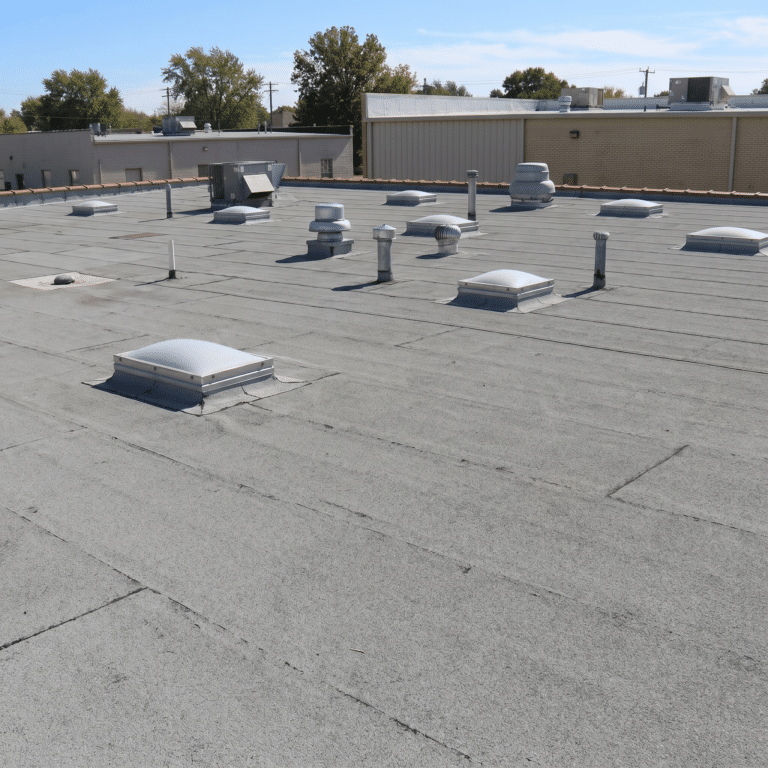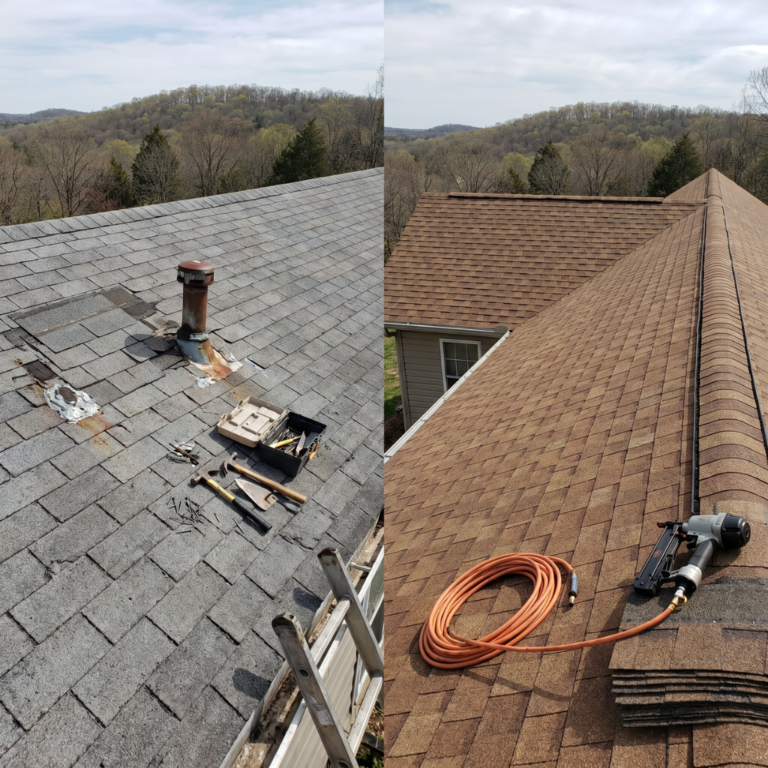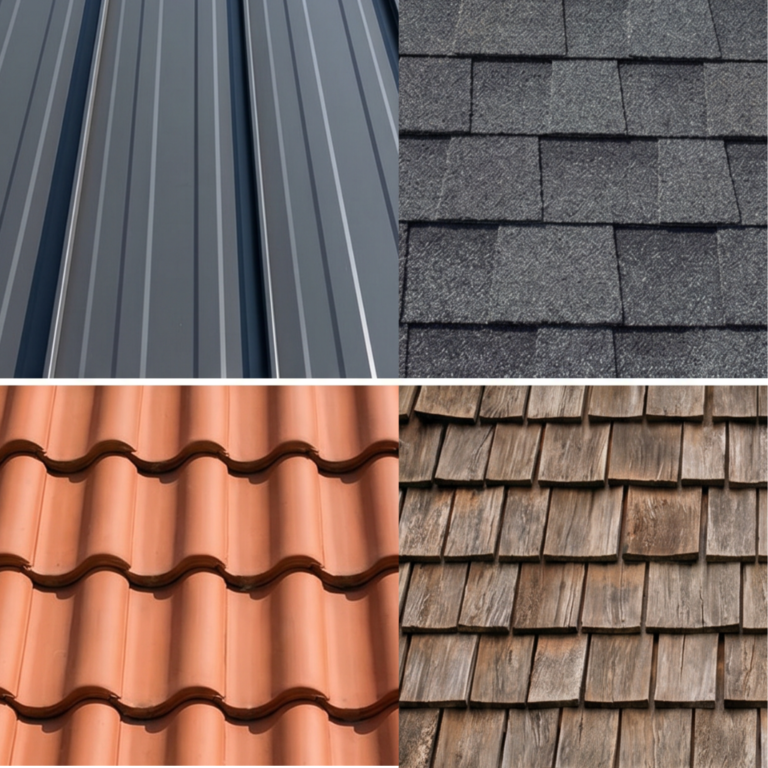
A contractor walks the roof after a storm and starts talking about “soft decking” and “torn underlayment” and you have no idea what either of those things are. You feel like you might be getting upsold. This guide explains the three-layer system below your shingles in plain language, what each layer does, how storms damage them, and what a real inspection looks for before any new shingles go down.
TLDR: Your roof has three layers: shingles on top, underlayment in the middle, and roof decking underneath. The shingles get all the attention, but underlayment and decking fail silently and rarely show damage until a contractor tears off the old shingles. After a storm like April 28, 2026, both layers can be compromised without any visible sign from the ground.
You looked at your roof. It looks mostly fine. Maybe a few shingles are out of place. Maybe none are. So when the contractor mentions “decking” and “underlayment” and starts using words like rot and saturation, it sounds like a sales pitch. It often is not.
The Three Layers Below Your Shingles
A roof is a system, not a single surface. Three layers sit between weather and your home’s structure. Each one does a specific job, and each fails differently.
| Layer | What It Is | What It Does |
|---|---|---|
| Shingles | The outermost layer you see from the ground | Sheds water; takes direct impact from hail, wind, and sun |
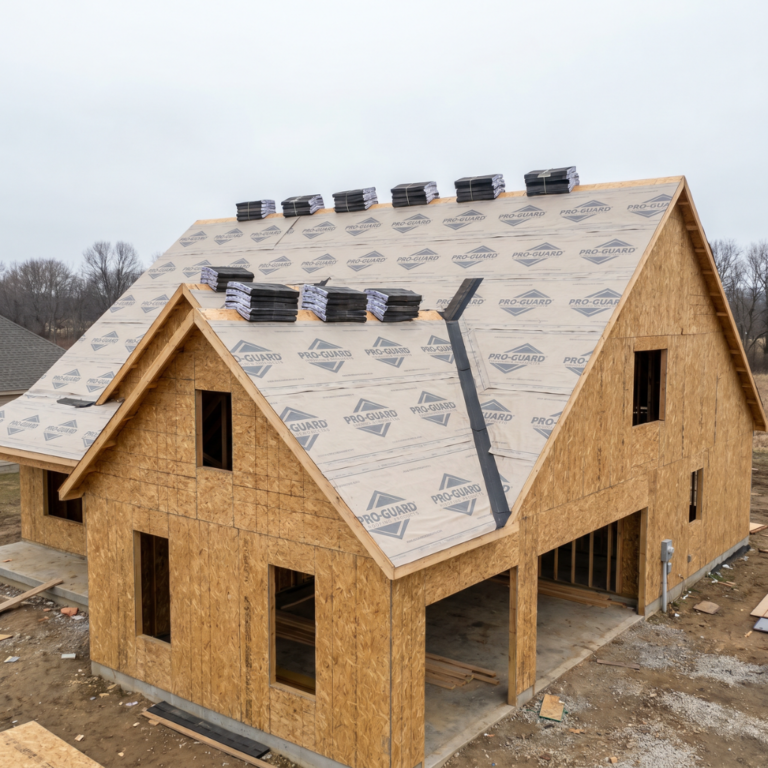
| Underlayment | A water-resistant or waterproof sheet between shingles and decking | Backup barrier when shingles are breached or lifted |
| Decking | The wood surface (OSB or plywood) nailed to the rafters | Structural foundation; everything else is fastened to it |
Most post-storm inspections stop at the shingles. A complete inspection checks all three. When the verified storm intensity of the April 28 event is factored in, plenty of homes in Ozark, Hollister, and Republic had hail large enough to breach not just the shingles but the layer directly beneath them.
Tip: Before you sign a replacement contract, ask the contractor: “Will you check the decking and underlayment before anything new goes down?” If they have not offered, ask directly.
Decking Is the Structural Foundation No One Talks About
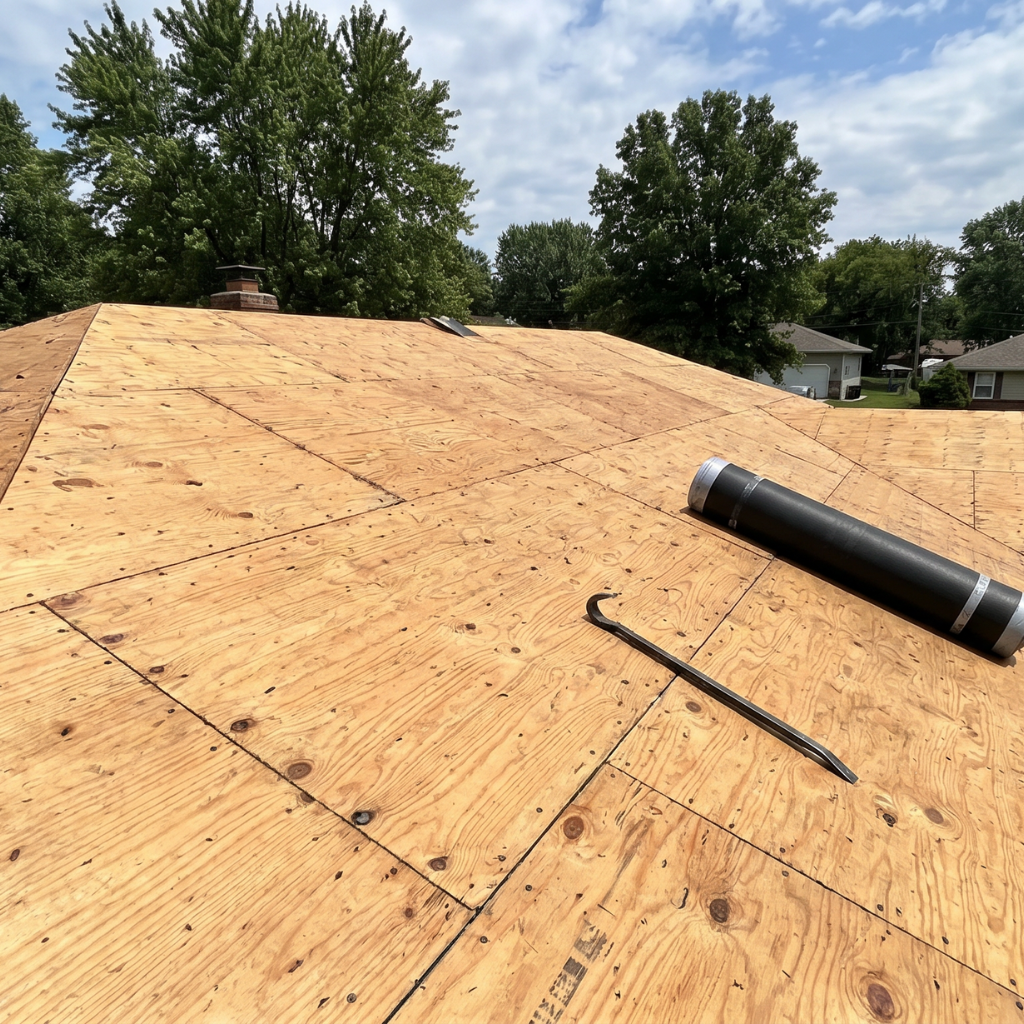
Decking is the wood surface nailed across the rafters, usually OSB or plywood. Both hold a roof up for decades when dry. They behave very differently when wet.
OSB is the more common modern choice. It is strong and cost-effective. When it stays dry, it lasts. When it gets wet and dries slowly, the edges swell, and OSB does not always return to its original shape. That waviness telegraphs through the shingles above as a visible dip from the ground.
Plywood absorbs and releases moisture more quickly. It tends to recover its shape after a drying cycle. In Southwest Missouri’s humid climate, where a wet deck in April can stay damp into July, plywood holds up better when exposure is repeated.
Decking damage from a storm rarely starts as catastrophic. Water breaches the shingles and underlayment, the deck surface gets wet, the wood swells, drying slows, and rot begins. Soft spots develop. Nails start to lose holding strength, which means the shingles above start to lift even though they look fine. By the time the next inspection happens, the problem has spread.
When more than 32 contiguous square feet of deck sheathing gets replaced during any roofing project, some Missouri municipalities, including Ozark, Nixa, and Republic, require a permit in different situations. The permit rules vary by city, so your contractor should verify local requirements before deck work begins.
Underlayment Is the Layer Holding the Line Right Now
If the shingles are breached or lifted, underlayment is the first thing standing between rain and your decking. Three main types exist, and they perform very differently after a storm.
| Underlayment Type | Waterproof or Resistant | Lifespan | Where It Is Used |
|---|---|---|---|
| 15# or 30# asphalt felt | Water-resistant only | 15 to 30 years | Traditional code-compliant option |
| Synthetic | Water-resistant; lighter and tougher | 25 to 30+ years | Modern professional standard across the deck |
| Self-adhering ice and water shield | Fully waterproof; self-seals around nails | 30+ years | Valleys, eaves, and around all penetrations |
Aged felt tears under wind uplift. Synthetic holds. Ice and water shield seals around every nail driven through it. Our materials guide covers why synthetic outperforms felt in Southwest Missouri’s heat and rainfall, and why ice and water shield in high-risk zones is best practice regardless of code minimums.
Pro tip: When you get quotes, ask what underlayment each contractor plans to install. If the answer is “15# felt,” ask why they are not using synthetic. The cost difference is small. The performance difference is not.
How Hail and Wind Damage What You Cannot See
Large hail can punch through shingles and felt underlayment in a single impact, leaving the decking directly exposed. Class 4 shingles reduce this risk but do not eliminate it at four-inch hail sizes. High wind creates uplift pressure on shingles, and when shingles lift or tear, the underlayment beneath is suddenly exposed to wind-driven rain.
A slower failure pathway is more common than the catastrophic one. Minor shingle damage that nobody waterproofed gets repeatedly wet over the next several rain events. Decking takes on moisture, dries incompletely, and over months develops soft spots across a wide area, all from what looked like minor surface damage at the start.
The claim process typically covers decking and underlayment damage found during a roofing tear-off when it is documented and tied to the storm event. A contractor who only eyeballs the shingles from above without checking the deck can miss damage that should have been on the claim.
What to Look For Right Now
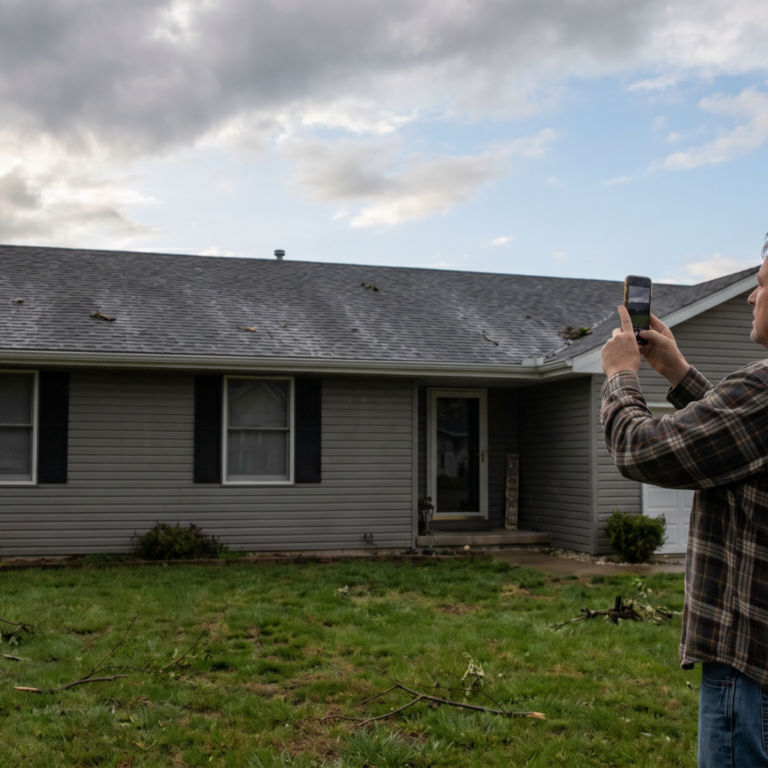
You can do a basic check today. From the ground, look for these:
- A wavy, sagging, or uneven roofline along any slope
- A visible dip or low spot
- Shingles that bubble up or curve out of plane
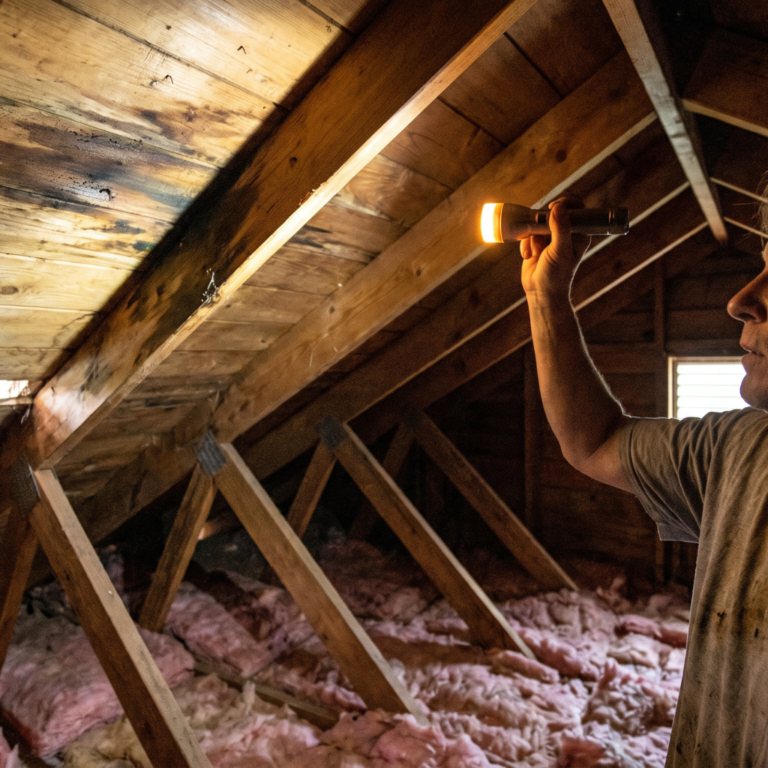
From the attic with a flashlight, look for these:
- Water stains on rafters, especially near valleys or penetrations
- Wet, compressed, or discolored insulation
- Visible daylight through any deck board
- A musty smell, especially near eaves
- Soft or springy feel when pressing on the deck
Any one of these warrants a professional inspection. EPA mold guidance notes that wet building materials drying within 24 to 48 hours usually prevent mold growth. In Southwest Missouri’s humid climate, that window closes fast.
Tip: Five minutes in the attic with a flashlight after a major storm tells you more about decking and underlayment than an hour staring at the shingles from the driveway.
What Happens During a Real Replacement
A proper replacement is a full tear-off and system rebuild. Not “new shingles over old shingles.”
The crew tears the old shingles down to bare deck. Every sheet of decking gets checked for softness, rot, and delamination. Damaged sections are replaced before any new material goes down. Ice and water shield goes in at eaves, valleys, and every penetration. Synthetic underlayment covers the full deck. Then new shingles, flashing, pipe boots, and ridge cap go on according to manufacturer specs.
The order matters. If a soft area of decking is shingled over instead of replaced, the new shingle nails will not hold. That roof fails in two or three years instead of twenty. National roofing standards and building code standards from ICC both treat deck condition as a foundational step, not an optional add-on.
Frequently Asked Questions
What is roof decking? The wooden sheet material, usually OSB or plywood, nailed to the rafters. It is the structural surface everything else is fastened to.
What is underlayment? The water-resistant or waterproof layer between the decking and shingles. It is the second line of defense if the shingles are breached.
How do I know if my decking is damaged? Look for a wavy or sagging roofline, soft feel when walked on, water stains or wet insulation in the attic, daylight through deck boards, or a musty smell. A professional with a moisture meter gives the definitive read.
Does insurance cover decking replacement? Typically yes when the damage is storm-related and documented. The contractor needs to photograph the damaged decking during the tear-off and tie it to the storm event for the claim.
Do I need ice and water shield in Missouri? Missouri’s statewide climate designation does not mandate it everywhere. Professional crews still install it at eaves, valleys, and every penetration as best practice in this climate.
What is the difference between OSB and plywood? OSB costs less and is strong, but it swells more and dries more slowly. Plywood handles moisture better in humid climates. Both are code-compliant. Plywood is the more resilient choice for repeated wet-and-dry cycles.
Can a contractor put new shingles over old ones without checking the deck? They can, but it masks the deck condition and adds weight. Any soft area underneath will cause the new shingles to fail early. A full tear-off is the right call for a storm-damaged roof.
What is the difference between synthetic and felt underlayment? Felt is asphalt-saturated paper. It is heavier, tears more easily, and wrinkles. Synthetic is lighter, stronger, and far more tear-resistant. Synthetic is the modern professional standard.
Key Takeaways
- A roof is three layers, not one. Shingles, underlayment, and decking each do a job, and each fails differently.
- Underlayment quality matters more after a storm than before. Aged felt tears when shingles lift; synthetic holds.
- Decking damage spreads quietly. Repeated small wet-dry cycles can compromise a deck over months from what looked like minor shingle damage.
- Document during tear-off. Photos of damaged decking during the replacement support a storm claim that covers the additional work.
- Crews who skip the deck check fail you twice. Once on the inspection, again when the new roof fails early.
We Check What You Cannot See
A driveway-level glance does not tell you anything about what is happening below your shingles. ProNail Exteriors checks the full roof system, not just the surface. Founded by Eden Branson in Ozark, the company runs vetted crews who serve Hollister, Republic, Clever, Bolivar, Ash Grove, Ava, and every community within fifty miles of Springfield. The team documents what we find, photographs the deck condition during tear-off, and includes everything in the claim so nothing covered gets missed.
Call 844-321-6245 for a free post-storm inspection. The team will check the shingles, the underlayment, the decking, and every penetration, then show you what’s underneath with photos before any new material goes down. If the deck is fine, you get the straight answer. If it needs work, you get the photos and the documentation that matter for your claim.
ProNail Exteriors | Roofing, Siding, Windows, Gutters, Decks, and More | Serving Southwest Missouri Since 2025