
It has been a few weeks since the hail storm. You looked at the roof from the yard, it seemed fine, and you skipped the inspection. Now there is a stain on the ceiling, or there is no leak yet but something feels off. This guide explains why a roof can look fine and still be failing, the seven places hail hides, and what to do this week.
TLDR: Hail rarely punches visible holes. It bruises the mat, breaks adhesive seals, and cracks pipe boot gaskets, all invisible from the ground. Water from a compromised roof travels along the decking before showing up as a ceiling stain in a different room. Get a professional inspection now, even without a leak. The insurance claim is still valid, and the damage compounds with every future storm.
The April 28, 2026 hail storm dropped confirmed hail from one to 4.75 inches across Southwest Missouri. Three weeks later, homeowners across Springfield, Republic, Nixa, Strafford, Rogersville, and Willard are in the same spot. They looked at the roof. It seemed fine. The roof was probably never fine.
Why Your Roof Can Look Fine and Still Be Failing
Hail does not usually punch holes. It bruises shingles, loosens granules, and crushes the fiberglass mat below the surface. None of that is visible from 20 feet below.
The biggest misunderstanding is about the adhesive seal strip. Every shingle has a strip of glue that bonds it to the shingle underneath. Hail can break that bond without touching the visible part of the shingle. The shingle returns to position and looks intact. But it is no longer sealed. The next strong wind lifts the edge, and the next rain finds the gap.
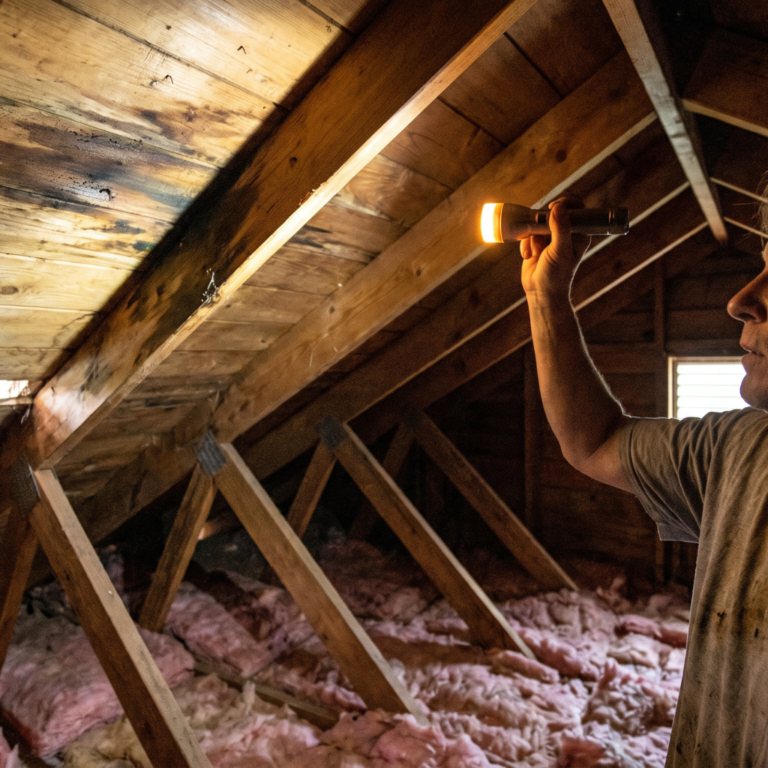
Many homeowners discover hail damage only after interior damage appears. Some find out months later. Some find out years later, when the next storm finishes off a roof that was already compromised.
Pro tip: A roof that looks fine from the yard is not evidence that it is fine. Hail damage is a close-range finding. It requires someone on the roof, pressing on shingles by hand.
The 7 Places Hail Hides
These seven locations cover most post-storm leaks.
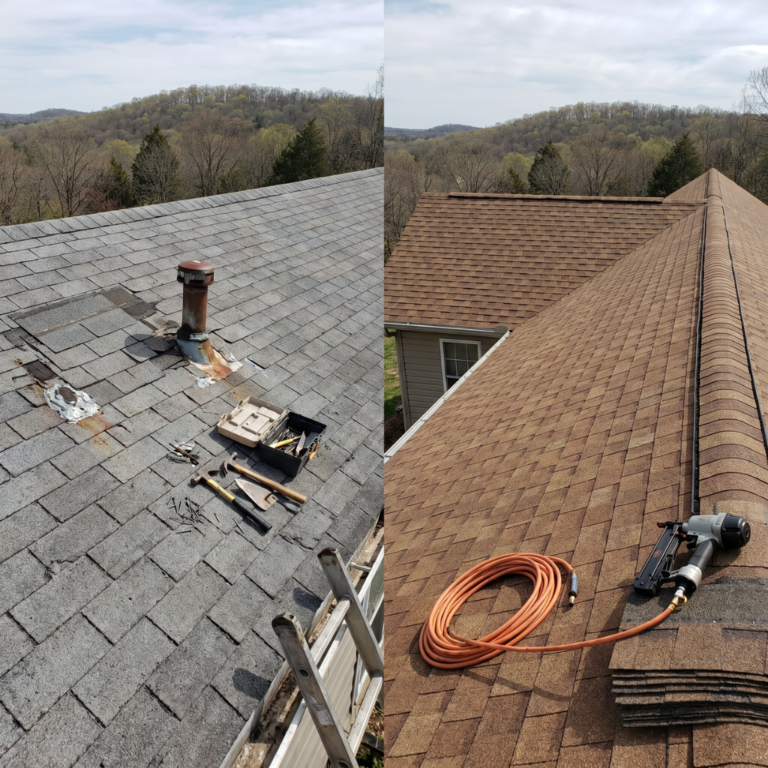
- Pipe boots. The rubber gaskets that seal plumbing vents crack from hail impact. The leak shows up as a stain near a bathroom vent or kitchen exhaust weeks later.
- Adhesive seal strips. Hail breaks the bond on overlapping shingles without tearing them. Wind in the next storm lifts the edge.
- Granule loss zones. Exposed asphalt mat hardens under UV and cracks within weeks. Hairline cracks let water in.
- Ridge cap shingles. The highest point takes the most direct hail. Cracked ridge cap creates a water channel along the full length of the ridge.
- Valley flashing. Hail bounces and concentrates in valleys. Bent flashing leaks where water volume is highest.
- Chimney and skylight flashing. Bent metal creates micro-gaps. The leak shows up as a stain near a fireplace or ceiling fixture.
- Fascia, soffit, and drip edge. Hail dents and loosens these systems. Water wicks behind the roofline.
| Location | What Hail Does | Visible From Ground? | How the Leak Appears Inside |
|---|---|---|---|
| Pipe boots | Cracks rubber gasket | No | Stain near bathroom vent or exhaust |
| Adhesive seal strips | Breaks bond without tearing | No | Stain or drip during wind-driven rain |
| Granule loss zones | Exposes mat to UV | Granules in gutters | Slow drip weeks after storm |
| Ridge cap shingles | Cracks caps; opens channel | Rarely | Stain along center below ridge |
| Valley flashing | Bends at water concentration | No | Stain in corner below a valley |
| Chimney/skylight flashing | Bends metal; micro-gaps | No | Stain near fireplace or fixture |
| Fascia, soffit, drip edge | Loosens systems | Dents on metal | Rotting fascia or soffit staining |
Pro tip: Pipe boots are the most commonly missed item and one of the most common post-hail leak sources. If your ceiling stain is near a bathroom vent or kitchen exhaust, the pipe boot above it is the first place a professional will check.
What You Can Check From the Ground
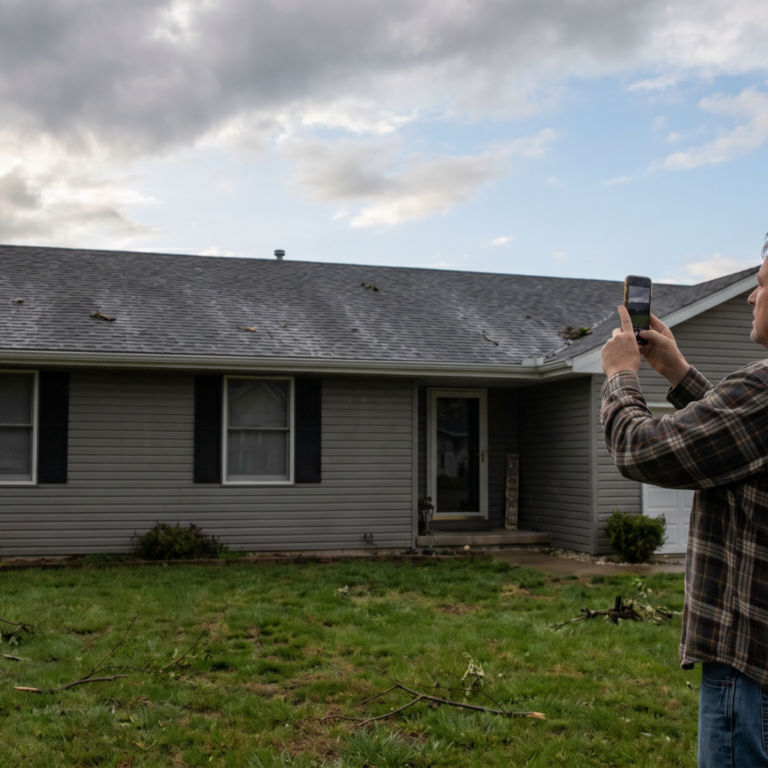
You can do a legitimate ground-level check today without ever climbing on the roof. What you cannot do is assess the roof surface itself.
| Inspection Item | You (Ground Level) | Professional (On Roof) |
|---|---|---|
| Gutter and downspout dents | Check with eyes and hands | Not needed |
| Granule buildup at downspouts | Look at base of downspouts | Not needed |
| AC condenser dents | Photograph all 4 sides | Not needed |
| Shingles in yard | Walk the perimeter | Not needed |
| Window screen tears | Check all screens | Not needed |
| Adhesive seal integrity | Not visible | Press each shingle by hand |
| Pipe boot gasket condition | Not visible | Close-range visual at each pipe |
| Granule bruising pattern | Not visible | Chalk-mark each impact site |
| Mat compression | Not visible | Hands-on palpation |
| Valley and flashing gaps | Not visible | Surface inspection |
Ground-level signs confirm that hail of a certain size hit your property. They do not tell you whether your roof took the same damage. For a detailed ground walkthrough, see the storm damage inspection checklist for Nixa homeowners.
Pro tip: Your AC condenser is the best free evidence you have. It is soft metal at ground level and takes the same hail as your roof. If it has dents, your roof had the same contact.
The Insurance Claim Is Still Valid Even Without a Leak
The most common and costly mistake after a hail storm is the assumption that no leak means no damage. That is wrong.
Storm damage does not require an active leak. Most insurers look for impact mark density on the roof surface, not leak evidence on the ceiling. The standard threshold is six to 10 confirmed impact marks per 100 square feet across at least three roof slopes. The IBHS hail damage guide is the industry reference adjusters use.
Your Missouri policy clock started April 28. Most policies require reporting within 60 days to 12 months of the storm date. Acting before a leak develops gives you the strongest claim. Once water gets in, the insurer may argue that some damage came from your delay rather than the original storm. For the full process, see how roof insurance claims work in Springfield.
The other side of waiting is the damage itself. Mold begins growing within 24 to 48 hours once water enters. According to IBHS research published in peer-reviewed literature, repeated sub-severe hail exposure compounds shingle damage over time. Within two years, exposed shingles can be approximately ten times more susceptible to damage from later storms. The Missouri Department of Insurance maintains the official guidance on your rights.
Important: The time to file is before the roof leaks, not after.
What a Professional Inspection Actually Finds
A professional inspector does the close-range work you cannot do safely from the ground. They press each shingle to test adhesive seal integrity. They check every pipe boot for gasket cracking. They map impact marks across each slope, marking them with chalk so the adjuster can see them clearly.
They check ridge cap, valley flashing, chimney and skylight flashing, fascia, and drip edge. They produce a written report with photographs. That report is the document that supports your claim.
A good contractor also attends the adjuster inspection with you. They walk the adjuster through each marked location so nothing gets missed. This reduces the chance of a re-inspection. If your claim is denied, our guide on what to do when a roof insurance claim is denied walks through the next steps. You can also pull your storm record from the NOAA Storm Events Database to document the hail size at your address.
Pro tip: Ask any contractor whether they mark impact sites with chalk for the adjuster. This is standard professional practice. If they do not, they are not producing documentation that supports a strong claim.
Illustrative scenario: A homeowner in Rogersville walked their yard after the April 28 storm and saw no missing shingles. The gutters had some dents and granules at the downspout. They did not call anyone. Three weeks later, a stain appeared on their bedroom ceiling, directly below a bathroom vent. A local crew inspected and found a cracked pipe boot gasket and eight confirmed impact marks per 100 square feet on the south slope. The findings were consistent with hail confirmed by NWS Springfield at their zip code. They filed a claim with the inspection report in hand.
Frequently Asked Questions
Q: Why does my roof look fine but I have a leak after the hailstorm? Hail does not punch holes. It bruises the mat, breaks adhesive seals, and cracks pipe boot gaskets, all invisible from the ground. Water travels along joists before appearing as a stain.
Q: Can hail damage a roof without any visible signs? Yes. Many homeowners discover damage only after interior damage appears. Granule bruising, seal failure, and pipe boot cracking are all invisible from ground level.
Q: Where do roofs most commonly leak after a hailstorm? Seven locations: pipe boots, adhesive seal strips, granule loss zones, ridge cap, valley flashing, chimney flashing, and fascia. Pipe boots are the most commonly missed.
Q: How long after a hailstorm does a roof start to leak? Days to months. Broken seal strips can leak in the next rain. Cracked pipe boots may take two to eight weeks. Granule loss zones may take months.
Q: Can I still file an insurance claim if my roof is not leaking yet? Yes. Storm damage does not require an active leak. Most insurers look for impact mark density, not leak evidence.
Q: How do adjusters check for hail damage in Missouri? They examine metal components first for confirmed hail size, then check shingles for circular impact marks. Most look for six to 10 confirmed hits per 100 square feet on three slopes.
Q: What is a pipe boot and why does it leak after hail? It is the rubber gasket and flashing that seals plumbing vent pipes at the roof. Hail cracks the neoprene. The leak appears at the ceiling below.
Q: My neighbor got their roof replaced but my adjuster found nothing. What now? Get a second professional inspection that documents impact mark patterns. Pull the NWS Springfield storm record for your address. Request a re-inspection with your contractor present.
Ready for a Free Roof Inspection?
If the storm was a few weeks ago and you have not had the roof checked, this week is the time. The damage is there or it is not, but you cannot know without a professional on the roof.
ProNail Exteriors is based in Ozark, and our crews bring over a decade of combined roofing experience to every project across Southwest Missouri. We deliver a free roof inspection with a written report. We mark impact sites with chalk. We attend your adjuster inspection. We do not knock on doors, and we do not waive deductibles.
Here is what you get:
- Free roof inspection and written assessment
- Impact sites mapped with chalk for your adjuster
- Help documenting damage for your insurance claim
Call: (844) 321-6245 Email: [email protected]
We serve Springfield, Republic, Nixa, Strafford, Rogersville, Willard, Ozark, Branson, and the rest of Southwest Missouri.
ProNail Exteriors | Roofing, Siding, Windows, Gutters, Decks, and More | Serving Southwest Missouri Since 2025