You just got a check from your insurance company after a hailstorm, and the number is way lower than expected. Your contractor’s quote says one thing. Your check says something else. The answer comes down to three letters on your roof insurance policy: ACV or RCV. This guide breaks down what those terms mean, how depreciation affects your payout, and what you can do to get every dollar your policy allows.
TLDR: ACV (Actual Cash Value) pays the depreciated value of your roof, meaning older roofs get smaller checks with no second payment. RCV (Replacement Cost Value) pays the full cost to replace your roof in two checks. The first covers the depreciated amount. The second comes after you finish repairs and submit your final invoice. Check your declarations page now to know which type you have.
Why Your First Check Feels Too Small
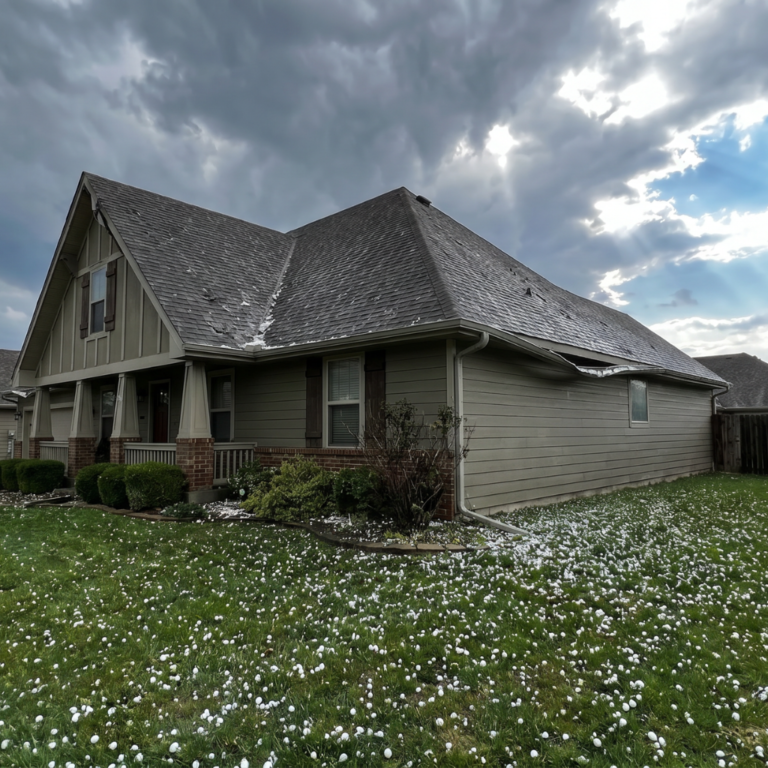
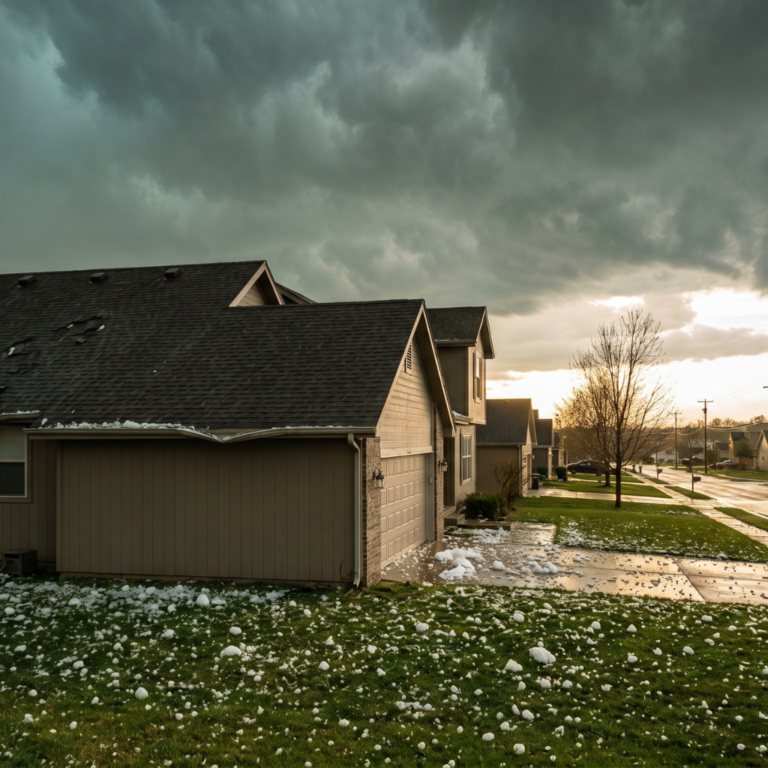
A spring hailstorm rolls through Republic and Battlefield. You file a claim. A few weeks later, a check arrives that barely covers half the work your roofer quoted. The gap almost always traces back to depreciation. Your insurer subtracted value from your roof based on its age. Whether that depreciation is permanent or temporary depends on your policy type.
What Is Actual Cash Value (ACV)?
ACV means your insurance pays the current depreciated value of your roof at the time of loss. Think of it as the “garage sale value,” not the cost to put on a new one.
Your insurer looks at age, condition, and expected material lifespan. The older the roof, the more they subtract. Under ACV, that depreciation is permanent. You receive one check with no second payment.
The Missouri Department of Commerce and Insurance notes that an ACV policy on a 20-year-old roof may pay as little as 20% of the replacement cost. For homeowners in Springfield and Ozark, where hailstorms strike frequently, that kind of gap can be a serious problem.
Pro tip: Before you file a claim, check your declarations page. Look for “Replacement Cost” or “Actual Cash Value” next to your dwelling or roof coverage.
What Is Replacement Cost Value (RCV)?
RCV means your insurance pays the full cost to replace your damaged roof with similar materials at today’s prices. No permanent depreciation penalty. But it does not pay everything upfront.
First, your insurer sends a check for the ACV amount (depreciated value minus your deductible). After you complete the replacement and submit your final paid invoice, the insurer releases the withheld depreciation as a second check. The National Association of Insurance Commissioners explains that RCV pays to repair or replace property without a permanent deduction for depreciation.
Important: Do not cash the first check and walk away. You must complete the repair and submit documentation to claim recoverable depreciation.
Here is how the two policy types compare.
| Feature | ACV (Actual Cash Value) | RCV (Replacement Cost Value) |
|---|---|---|
| What it pays | Current depreciated value | Full replacement cost |
| Depreciation deducted? | Yes, permanently | Yes, but temporarily withheld |
| Recoverable depreciation? | No | Yes, after repairs are complete |
| Number of checks | One | Two |
| Biggest risk | Large out-of-pocket gap on older roofs | Missing the deadline for the second payment |
How Roof Depreciation Works
Depreciation is the biggest factor in how much your claim pays. A standard 25-year asphalt shingle roof depreciates at about 4% per year. A 10-year-old roof would have roughly 40% depreciation applied. A 15-year-old roof would hit roughly 60%.
The material on your roof changes the math. Here is how the most common roofing materials compare.
| Roofing Material | Expected Lifespan | Annual Depreciation | At Year 10 | At Year 20 |
|---|---|---|---|---|
| Architectural asphalt shingles | 25 to 30 years | About 3.3% to 4% | About 35% to 40% | About 70% to 80% |
| 3-tab asphalt shingles | 20 to 25 years | About 4% to 5% | About 40% to 50% | About 80% to 100% |
| Standing seam metal | 40 to 60 years | About 2% to 2.5% | About 20% to 25% | About 40% to 50% |
Standing seam metal roofs depreciate much slower, which means higher ACV payouts even as the roof ages. Homeowners in Nixa and Branson thinking about their next roof should factor depreciation into their material choice, especially when hail size and roof damage are part of the equation.
Missouri-specific note: In Franklin v. Lexington Insurance Co. (Mo. App. 2022), Missouri’s Court of Appeals held that insurers cannot depreciate labor when calculating ACV unless the policy specifically defines ACV or depreciation to include labor. If your policy is silent on labor depreciation and your insurer subtracted labor anyway, you may have grounds to push back. Check the depreciation breakdown line by line.
Pro tip: Ask your adjuster to break out the depreciation line by line. This tells you exactly what is being withheld and why.
What Is a Roof Payment Schedule?
A Roof Payment Schedule (RPS) is the newest twist, and it catches many people off guard. An RPS caps your payout based on roof age. It works like an ACV policy wearing an RCV label.
Under an RPS, a 5-year-old roof might get about 85% of replacement cost. A 10-year-old drops to about 70%. A roof over 15 years old could receive as little as 25%. There is no recoverable depreciation.
Many carriers started adding Roof Payment Schedules at renewal, sometimes without clear notice to the homeowner.
| Feature | RCV | ACV | RPS |
|---|---|---|---|
| Recoverable depreciation? | Yes | No | No |
| Payout on 5-year-old roof | Full replacement cost | Moderate depreciation | About 85% |
| Payout on 15-year-old roof | Full replacement cost | Heavy depreciation | About 40% to 50% |
| Trend direction | Fewer insurers offering | Common on older roofs | Growing rapidly |
Pro tip: When your renewal arrives, flip to the declarations page first. If you see “Roof Payment Schedule” where it used to say “Replacement Cost,” call your agent right away.
Steps to Recover Your Full RCV Payout
If you have RCV coverage, follow these steps to get every dollar your policy allows.
- Confirm RCV coverage on your declarations page.
- Get a free professional inspection before calling your insurer to document all damage.
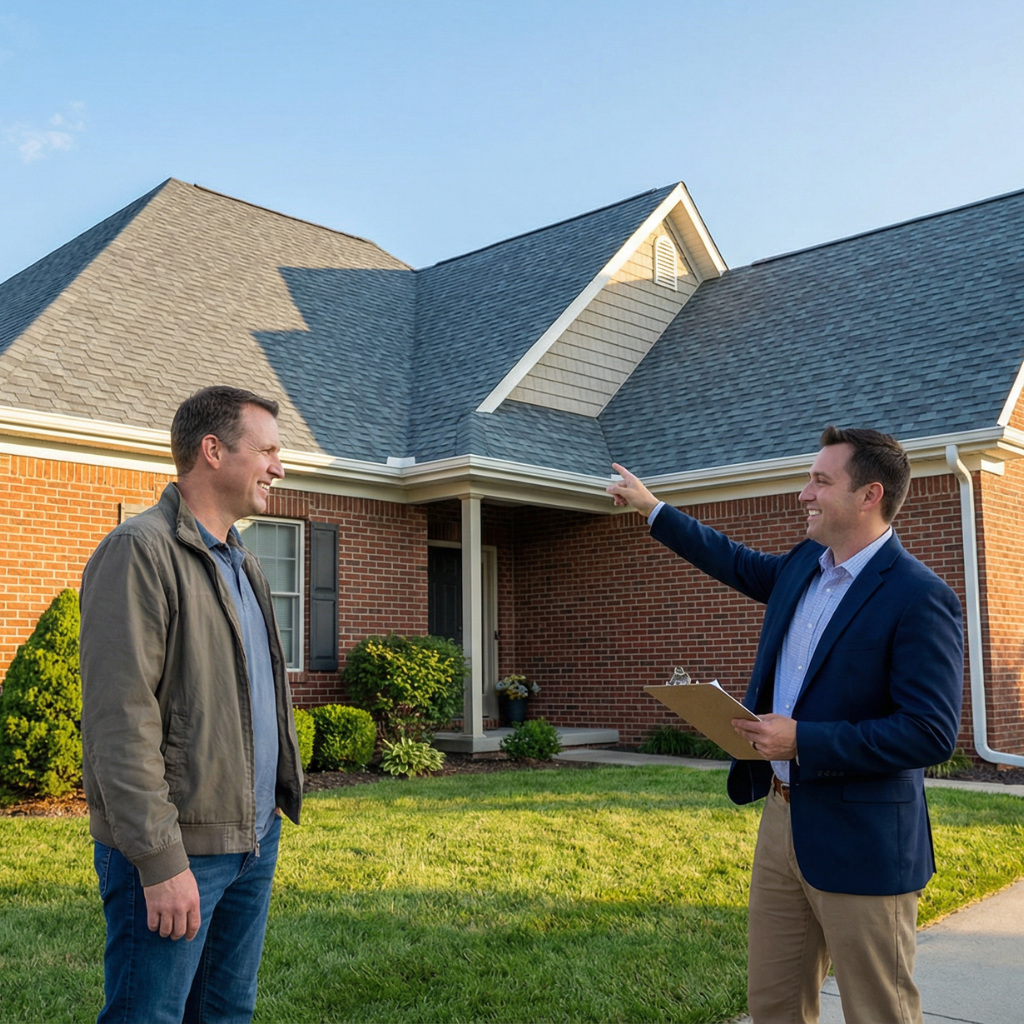
- File the claim and ask your contractor to be present at the adjuster inspection.
- Receive your initial ACV check. Do not treat this as the final settlement.
- Complete the roof replacement with a trusted local contractor. Be cautious of storm chasers showing up uninvited after a storm.
- Submit your final paid invoice within the policy window, typically 180 days to 2 years.
- Receive your second check for the recoverable depreciation.
Missouri storm season peaks April through June. Filing promptly after a storm keeps your claim within policy limits and protects your right to recoverable depreciation.
If items are missing from the estimate, your contractor can submit a supplement with photos and documentation. Common missed items include pipe boots, drip edge, ice and water barrier, decking repair, flashing, and permit fees (where required). Knowing how the roof insurance claim process works helps you catch gaps early.
Missouri law (RSMo 407.725) prohibits roofing contractors from representing or negotiating insurance claims on behalf of homeowners. Your contractor can document damage, walk the roof with the adjuster, and provide written technical input for a supplement, but only you, a licensed Missouri public adjuster, or an attorney can negotiate with your insurer.
Important: Most policies have a deadline to complete repairs and recover depreciation. Check your policy and do not let that window expire.
Illustrative Scenario: Two Neighbors, Two Outcomes
Illustrative scenario: Two homeowners in Republic have the same 12-year-old asphalt shingle roof. The same spring hailstorm damages both. The first has an ACV policy. The insurer applies roughly 48% depreciation and sends one check. No second payment is coming.
The second has an RCV policy. After the roofer completes the job and submits the final invoice, the insurer sends a second check for the recoverable depreciation. The second homeowner pays only the deductible. Same storm. Same roof. The policy type made all the difference.
Frequently Asked Questions
Q: What is the difference between ACV and RCV on a roof claim? A: ACV pays the depreciated value of your roof. RCV pays the full replacement cost. Under ACV, depreciation is permanent. Under RCV, withheld depreciation is recoverable after repairs are complete.
Q: What does “recoverable depreciation” mean? A: It is the portion your insurer withholds from the first RCV check. You get it back after you finish the replacement and submit your final paid invoice.
Q: How does my insurer calculate depreciation? A: They divide 100% by the expected lifespan of your roofing material. For a 25-year shingle roof, that is about 4% per year. A 10-year-old roof would have roughly 40% depreciation applied.
Q: How do I know if I have ACV or RCV coverage? A: Check the declarations page of your policy for “Replacement Cost,” “Actual Cash Value,” or “Roof Payment Schedule.” Some policies have RCV for the dwelling but ACV for the roof.
Q: What is a Roof Payment Schedule? A: An RPS caps your payout by roof age. A newer roof might get about 85%. An older roof could get as little as 25%. There is no recoverable depreciation under an RPS.
Q: Will my roof be covered if it is 15 or 20 years old? A: It depends on your policy and insurer. Under ACV, a 20-year-old roof may receive as little as 20% of replacement cost. Some carriers decline coverage on roofs over 15 years.
Q: Can I have my contractor at the adjuster inspection? A: Yes. As a Missouri homeowner, you can ask your contractor to be present during the adjuster’s inspection. A contractor can spot damage the adjuster misses and provide documentation for a supplement. Under Missouri law, your contractor cannot negotiate the claim itself on your behalf. That has to come from you, a licensed public adjuster, or an attorney.
Q: How long do I have to collect recoverable depreciation? A: Most policies allow 180 days to 2 years. Check this deadline as soon as you file and work with a contractor who understands the repair vs. replacement timeline.
Key Takeaways
Policy Types
- ACV pays depreciated value with no second payment.
- RCV pays full replacement cost in two checks.
- RPS caps payout by roof age.
- Check your declarations page every year at renewal.
Depreciation
- A 25-year shingle roof depreciates about 4% per year.
- Standing seam metal depreciates slower, resulting in higher claim payouts on older roofs.
At the Inspection
- You can have your contractor at the adjuster inspection to document damage and provide technical input.
- Missouri law reserves claim negotiation for the homeowner, a licensed public adjuster, or an attorney.
- If items are missing from the estimate, a written supplement can be submitted with photos and documentation.
Protecting Your Payout
- Get a professional inspection before filing.
- Under RCV, complete repairs within the policy deadline.
- Upgrading to Class 4 shingles may help secure better terms at renewal.
Ready to Find Out Where You Stand?
You now know the difference between ACV and RCV, how depreciation works, and what steps protect your payout. The next move is getting a professional inspection from a team that understands the whole process from inspection through final supplement.
ProNail Exteriors helps homeowners across Marshfield, Rolla, and all of Southwest Missouri navigate exactly this situation. Free inspections, honest assessments, in-house crews, and no pressure on the doorstep.
Call 844-321-6245 and we will walk you through it.
ProNail Exteriors | Roofing, Siding, Windows, Gutters, Decks, and More | Serving Southwest Missouri Since 2025