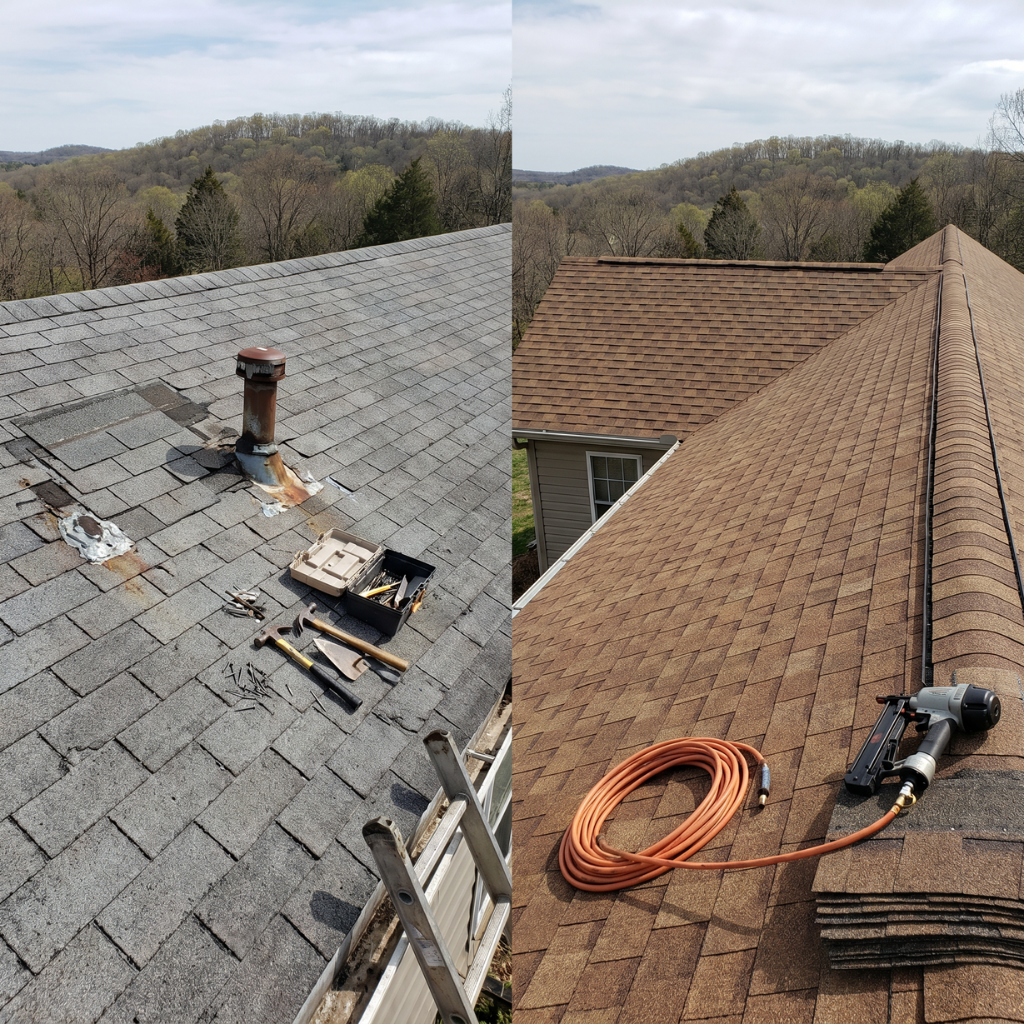
TLDR: A few roof tasks are can be safe to do yourself: covering interior leaks, photographing damage for insurance, and basic gutter cleaning from a stable ladder. Almost everything else, especially flashing, structural work, and any repair on a steep or wet roof, belongs to a professional. In Willard’s hail belt, the damage is often worse than it looks from the ground, and a DIY patch can hide it or hurt your insurance claim. This guide gives you an honest line between the two.
You found a couple of missing shingles or a small ceiling stain after the last storm, and the first thought is the natural one: can I just fix this myself and save the money? It is a fair question, and the honest answer is not a flat no.
Some roof tasks are genuinely safe for a homeowner. Others put you on a steep surface with no fall protection, hide damage an insurer needs to see, or void the warranty on your shingles. The trick is knowing which is which before you climb up.
This guide draws a clear line. It covers what you can safely handle, where the real risks are in Willard’s climate, how DIY work can backfire on an insurance claim, and what a professional repair actually includes so you can judge the value for yourself.
Why this question matters more in Willard
Willard sits in Greene County, in the northern part of the area’s busiest severe weather corridor. Hail and straight line wind are routine here, and that changes the math on DIY repairs. The same storms that hit Willard roll across nearby Greene County towns like Republic, Battlefield, and Strafford, so the damage patterns look much the same across the area.
The problem is that storm damage rarely looks as bad as it is. Hail seldom punches a visible hole. Instead it bruises the shingle mat, breaks the adhesive seal strips, and cracks the rubber gaskets on pipe boots. From the ground, the roof looks fine. Up close, it is quietly failing.
Hail damage is often invisible from the ground. A hailstone bruises the mat under the surface, loosens the seal that holds shingles down, and cracks vent and pipe boot gaskets. None of that shows up as a hole, which is why a roof can look untouched and still leak months later.
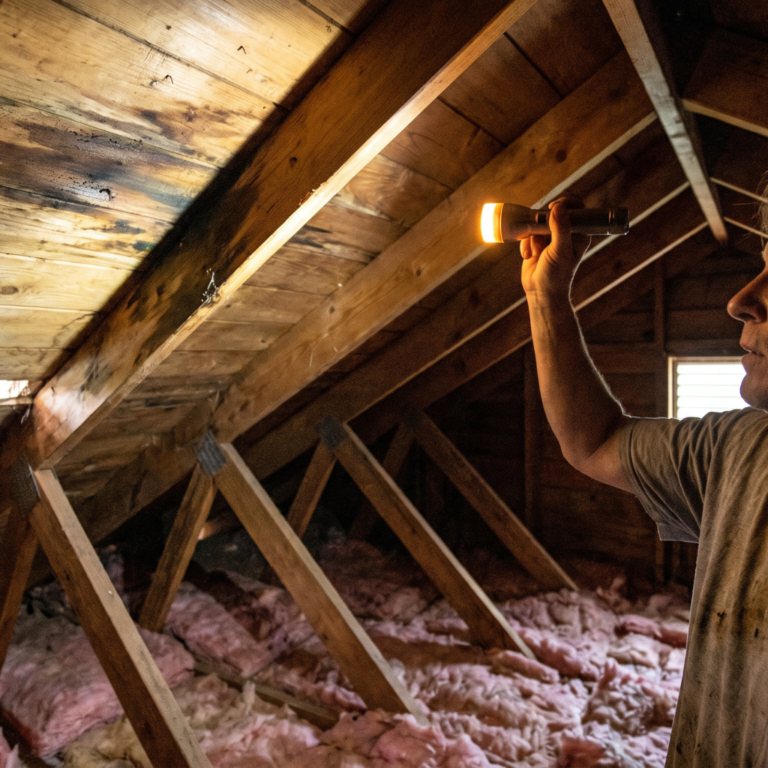
After more than a decade of inspecting roofs across Greene County, I have learned the worst leaks usually show up six to twelve months after a storm, not the next day. By the time a stain reaches the ceiling, water has often been tracking along the decking for a while. That delay is exactly why a quick DIY patch can give false comfort.
What you can safely do yourself
There is real, useful work a homeowner can handle. None of it requires walking a steep roof.
- Control the leak inside. Put buckets under drips, move furniture clear, and cover belongings with plastic sheeting.
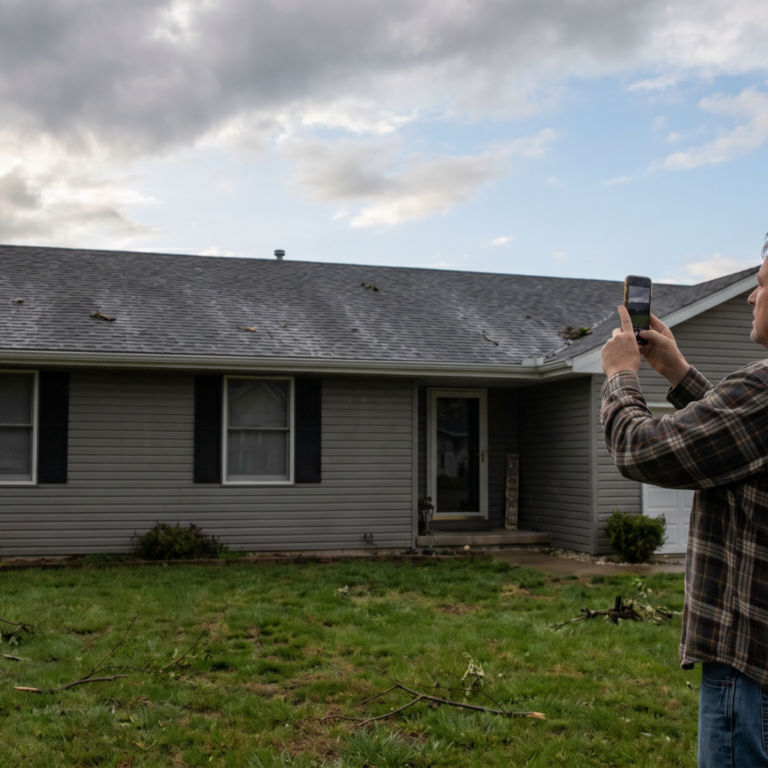
- Document the damage. Photograph everything from the ground right after the storm, including dented gutters and shingle pieces in the yard. This is critical for insurance.
- Place an emergency tarp, but only if the storm has fully passed, the slope is low and dry, the structure looks sound, and a second person is helping. Secure the tarp with boards, not nails, and run it over the ridge.
- Clean and check gutters from a stable ladder or the ground, never by walking the roof.
Tip: Photograph the storm date on your phone and keep every image in one folder. A clear timeline of when the damage happened does more for your claim than almost anything else you can do.
What should not be a DIY job
Some repairs carry enough risk that they belong to a professional every time. In Willard’s climate, the list is longer than people expect.
- Any structural repair to rafters, trusses, decking, or framing.
- Flashing repairs around chimneys and vents. Bad flashing is the leading cause of repeat leaks.
- Full shingle replacement on a steep roof.
- Any work on a wet, icy, or recently rained on surface.
- Any repair while weather is still active.
- Any work without fall protection on a roof steeper than a gentle slope.
- Any repair that changes the structure or scope of the roof, which can trigger a permit.
Roofing is one of the most consistently dangerous home improvement tasks. Falls are a serious risk, and they multiply on the steep pitches, variable weather, and algae slick older roofs common around Willard. No saved labor cost is worth that.
How DIY repairs go wrong in this climate
Even a careful homeowner runs into problems that have nothing to do with effort and everything to do with how roof damage behaves here.
A spot that looks like two missing shingles can hide bruising across several slopes. Water from one compromised area travels along the decking and surfaces as a stain in a different room, so the leak you see is rarely above the damage that caused it. And improper shingle work, the wrong nail pattern, overlap, or sealant, can void the manufacturer warranty on the whole roof.
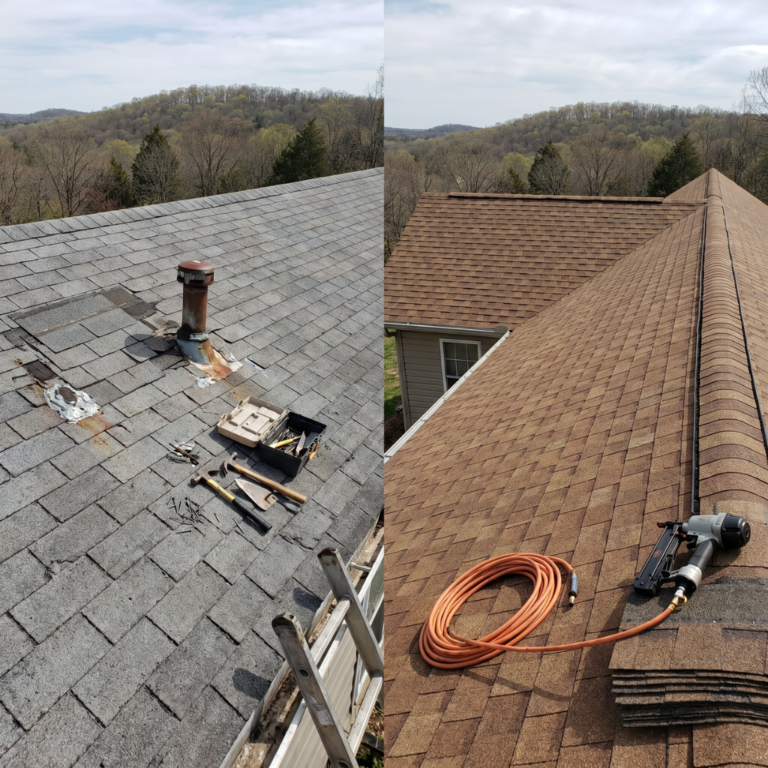
On a repair call near Willard, a homeowner had swapped a few shingles themselves after a windstorm. The patch looked fine. When we pulled it for an inspection, the seal strips on the surrounding shingles were already broken from the same storm, and the pipe boot nearby had a cracked gasket. The DIY fix had covered a symptom while the real damage spread.
Tip: If you only address the obvious spot, you may be sealing in the damage you cannot see. After any hail or high wind event, have the full roof system looked at, not just the patch.
How DIY can hurt your insurance claim
This is the part that costs homeowners the most money, and it is easy to avoid.
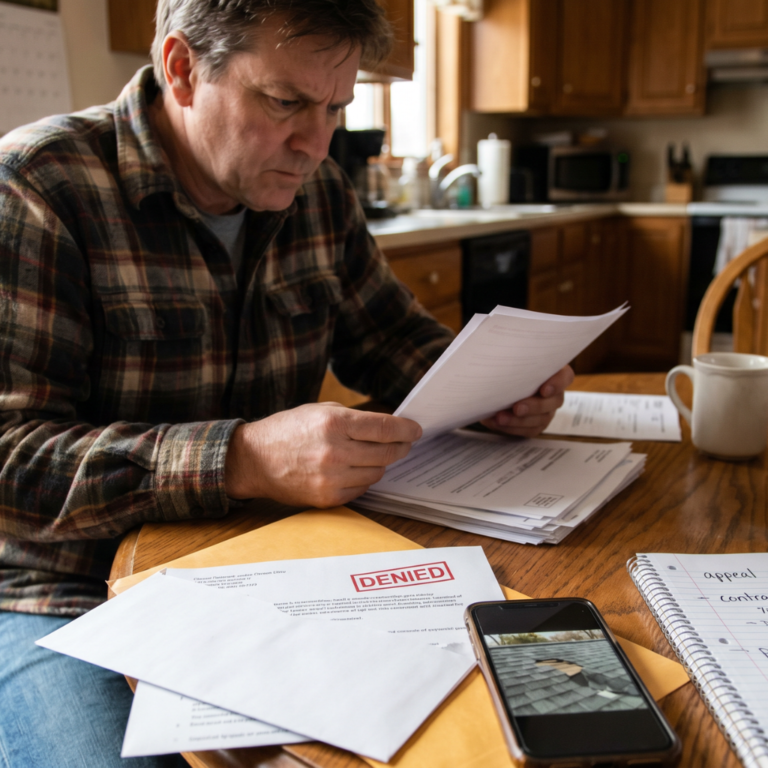
Most policies expect you to take reasonable steps to prevent further damage, so tarping and interior control are fine and even expected. The problem is permanent repairs made before an adjuster inspects. Once you have replaced shingles or flashing, the adjuster cannot see the original storm damage, and the insurer may argue the issue came from poor maintenance rather than the storm.
A mismatched DIY repair can also be used to question the claim. If the patch does not match the original installation, an insurer can point to it as evidence of a workmanship problem instead of storm damage. That single misread can shrink or sink a payout.
Tip: Never make a permanent repair before the adjuster visits if you expect to file a storm claim. Tarp it, document it, and wait. If you want help capturing the damage the way insurers expect, our team can assist with storm damage claim documentation.
DIY versus pro, at a glance
Use this table as a quick decision guide. When in doubt, the safe and warranty protecting choice is to call.
| Repair task | Safe to DIY | Better to hire | Why |
|---|---|---|---|
| Buckets under drips | Yes | Optional | Safe, immediate damage control |
| Photograph damage from the ground | Yes | No | Critical for your insurance file |
| Emergency tarp in safe conditions | Possible | Preferred | Fall risk rises fast on steep or wet roofs |
| Replace one or two shingles on a low, easy slope | Possible | Preferred | Warranty and color match concerns |
| Flashing around a chimney or vent | No | Yes | Top cause of repeat leaks |
| Valley metal or ridge cap | No | Yes | High fall risk and complex scope |
| Structural decking or framing | No | Yes | Permit may apply, structure at stake |
| Any repair on a steep roof | No | Yes | Serious fall risk |
| Permanent repair before the adjuster visits | No | Yes | Can void or complicate the claim |
What a professional repair actually includes
It helps to know what you are paying for, so you can weigh it against a DIY attempt honestly.
A professional repair starts with an inspection of the full roof system, not just the visible spot. It documents damage in the format insurers expect, which protects your claim. It catches the secondary damage homeowners usually miss, like cracked pipe boots, bent flashing, and damaged ridge caps. The work is done to manufacturer specs, with the correct nail pattern, underlayment, and flashing, which keeps the warranty intact. It comes with a written workmanship warranty. And it ends with a magnetic nail sweep so your yard is safe.
To judge that work, our roof repair quality checklist lays out what a clean repair should look like, and our overview of professional roof repair covers the process from inspection to cleanup. Our roof repair in Willard page speaks to homes here specifically.
A note on Willard and Greene County permits
Permit rules depend on where your home sits and what work is being done. Permit requirements for Willard are set by the City of Willard and Greene County building departments. Confirm permit requirements with the relevant local building department before any structural repair work begins.
A simple shingle repair usually does not raise permit questions, but structural work to decking or framing can. A good contractor checks this for you and pulls any permit the job needs. If you are facing an active leak and cannot wait, our emergency roof repair page explains how to handle the urgent steps safely.
Frequently asked questions
Is it safe to repair a roof myself in Missouri? A few tasks are safe, like interior leak control, photographing damage, and basic gutter cleaning from a ladder. Climbing onto a steep or wet roof to replace shingles or flashing is not. Roofing is one of the most dangerous home tasks, and Willard’s steep, weathered roofs raise the fall risk. When the work goes beyond ground level, it is safer to call a professional.
Will DIY roof repair void my insurance claim? It can. Permanent repairs made before an adjuster inspects remove the evidence of storm damage, and a mismatched patch can be used to argue the problem came from poor maintenance. Tarping and interior control are fine and expected. Permanent fixes should wait until the adjuster has seen the damage.
Does fixing my own roof void the shingle warranty? Often, yes. Most manufacturer warranties require installation to spec, including the right nail pattern, overlap, and sealant. A DIY repair that misses those details can void coverage on the roof. Professional workmanship also comes with its own written warranty, which DIY work does not.
How do I know if my roof has hidden hail damage? You usually cannot tell from the ground. Hail bruises the mat, breaks seal strips, and cracks vent gaskets without leaving a hole. The signs show up later as a ceiling stain, sometimes months after the storm. A full roof inspection after any hail event is the only reliable way to find it.
What should I do right after a storm in Willard? Photograph all visible damage from the ground, control any interior leaks, and tarp safely only if conditions allow. Then schedule a professional inspection before making permanent repairs, especially if you plan to file a claim. Keep your photos and the storm date together for your insurance file.
Key takeaways
Safe to handle yourself
- Interior leak control and documentation.
- Photos from the ground for insurance.
- Careful tarping only in safe conditions.
Leave to a professional
- Flashing, structural work, and steep or wet roofs.
- Any permanent repair before the adjuster visits.
- Anything that risks a fall or voids the warranty.
Why it matters in Willard
- Hail damage hides under the surface and spreads.
- DIY patches can mask damage and hurt a claim.
- A full inspection catches what the ground view misses.
When in doubt, get a free look first
There is no shame in handling the small stuff and calling for the rest. If you are staring at a stain or a few missing shingles on a Willard home and you are not sure how far the damage goes, the safest first move is a professional set of eyes, before you climb up or patch over anything.
Not sure whether your roof needs a quick repair or a closer look? Call (844) 321-6245 for a free, no pressure inspection, and we will tell you honestly what we find.
ProNail Exteriors | Roofing, Siding, Windows, Gutters, and More | Serving Southwest Missouri Since 2025